
With Ebola cases reported in parts of Africa, Ghana is tightening its defences to prevent the virus from entering the country.
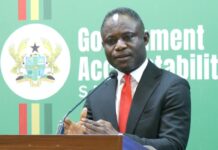
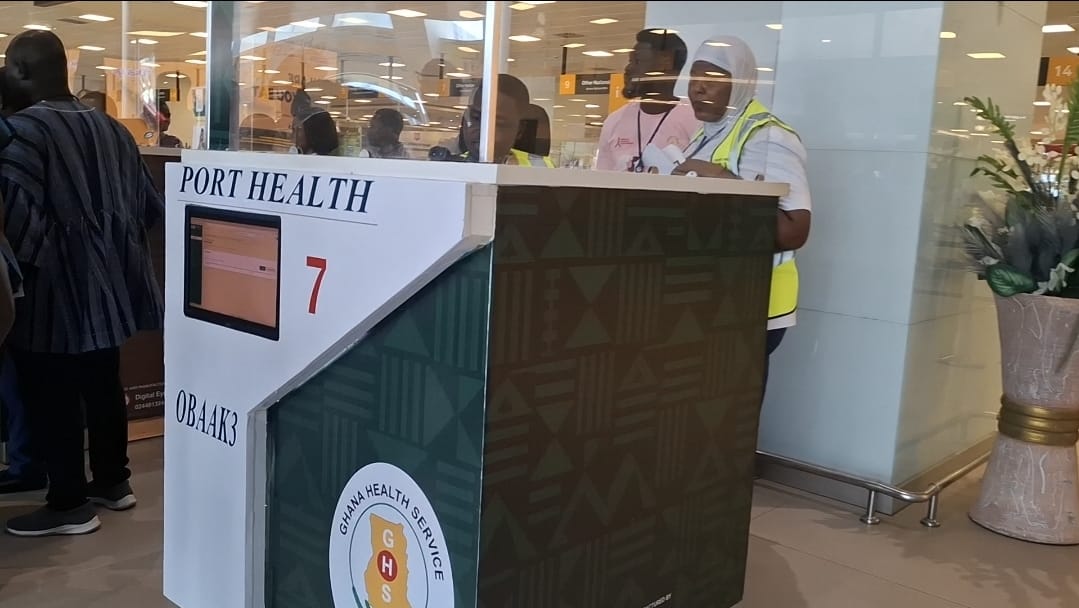
Health Minister Kwabena Mintah Akandoh says thermal scanners have been installed at Kotoka International Airport, with electronic health declaration forms and expanded laboratory capacity expected to strengthen early detection.
For health workers at Ghana’s points of entry, the responsibility is critical: detect a suspected case early, protect colleagues and prevent a potential outbreak.
At Kotoka International Airport, health officials inspected screening systems and emergency response arrangements as concern grows over the spread of the Bundibugyo strain of Ebola.
The thermal scanners are now in place, while electronic health declaration forms are expected to help officials identify travellers who may require further assessment and make contact tracing easier.
Even though Ghana has not recorded a case yet, the Health Minister maintains the country cannot afford to lower its guard.
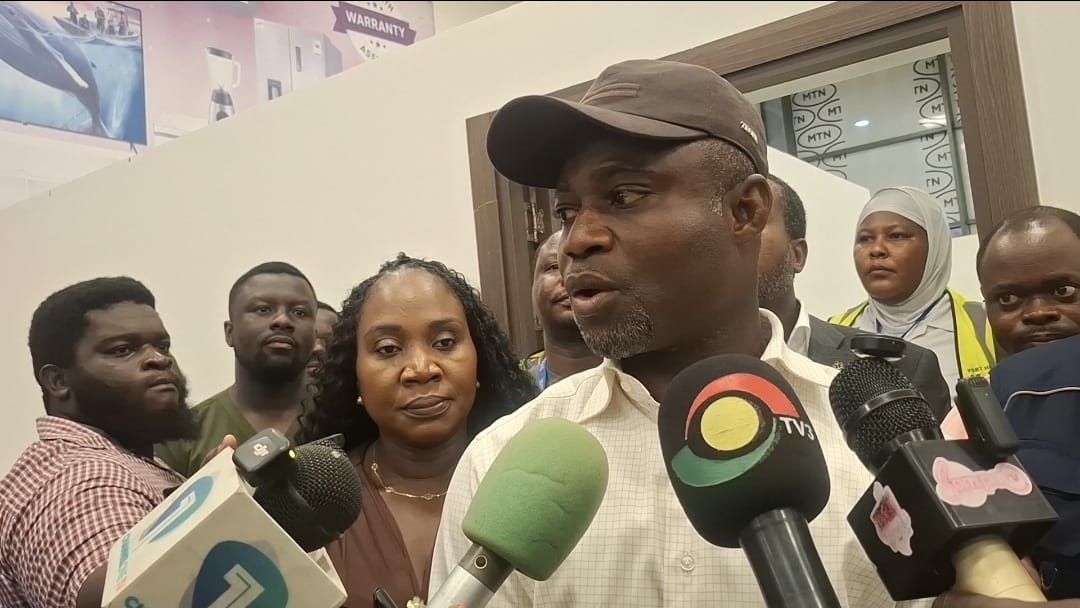
“To start with, let me make it emphatically clear that Ghana has not recorded any case of Ebola. There is absolutely no need to press the panic buttons. The Bundibugyo strain has no licensed vaccine and no specific treatment, making prevention the country’s strongest weapon. Our best defence is to keep our gate tight, early detection, contact tracing, so that we are able to contain if or when we record any case,” he said.
Beyond airport screening, the Health Minister said Ghana was expanding its laboratory capacity to improve the speed and effectiveness of Ebola testing.
He indicated that the number of laboratories available for testing was expected to increase from three to five, although he did not provide further details on the additional facilities. He cited the Noguchi Memorial Institute for Medical Research, the Ghana Infectious Disease Centre and the national reference laboratory among the facilities supporting the country’s preparedness.
For frontline health workers, however, preparedness must go beyond equipment. Adequate protective gear, logistics and the ability to respond quickly will be critical if a suspected case emerges. The Minister says funding will be provided according to need, rather than being restricted to a fixed amount, while assuring of constant coordination with the CDC.
“They needed logistics to be able to roll out the electronic declaration form. We have done that. We bought PPEs. So there’s no specific amount; as and when they need it, we should be able to provide it. The coordination is still ongoing. Africa CDC, for example, today I’m supposed to be part of a Zoom meeting of the health ministers, and so at every level, we need coordination,” he added.
The urgency is heightened by the risk of cross-border transmission, with cases reported in Kenya and Nigeria. The Bundibugyo strain has no licensed vaccine or specific treatment, making early detection, infection prevention and rapid isolation essential to containing the disease.
For now, the priority is clear: keep the virus out, protect health workers and ensure that if a suspected case is detected, the response is swift enough to protect lives.