
Ghana has a major opportunity to become one of Africa’s leading destinations for Meetings, Incentives, Conferences and Exhibitions (MICE) tourism.
Realising this ambition, however, will require deliberate investment in convention infrastructure, stronger institutional coordination and aggressive international marketing.
MICE tourism is no longer a niche market. It is a major driver of the global travel economy. The Global Business Travel Association (GBTA) estimates that global business travel spending reached US$1.47 trillion in 2024 and could exceed US$2 trillion by 2028.
The growth outlook is equally promising. According to the 2024 WTM Global Travel Report, international business visits grew by 19 per cent in 2024, compared with 11 per cent for leisure travel. Business visits are projected to increase by approximately 50 per cent between 2024 and 2030.
Ghana is already benefiting from this trend.
The Ghana Tourism Authority’s 2025 Tourism Report recorded 1,306,962 international arrivals, with business travel accounting for 31 per cent. The entertainment and conference segment also recorded 14.3 per cent growth.
These figures confirm that business travel is an important pillar of Ghana’s tourism industry. The challenge is to convert this existing demand into a competitive international MICE market.
Recent gatherings, including the Global Assemblies of God Conference and the 2026 Call to the Ghana Bar ceremony at the IGCC Auditorium, demonstrate Ghana’s capacity to host major events. However, hosting conferences is not enough. Ghana must actively bid for and attract international conventions, exhibitions and corporate gatherings.
The economic opportunity
The economic value of MICE extends well beyond conference venues. According to GBTA, a business traveller spends an average of approximately US$834 per trip. This expenditure supports airlines, hotels, restaurants, transport operators, event companies, retailers and other local businesses.
Ghana can further maximise this opportunity through bleisure tourism, encouraging business visitors to extend their stays to explore the country’s heritage, culture, cuisine, festivals, natural attractions and creative industries.
The country has several competitive advantages, including political stability, democratic credentials, international air connectivity, renowned hospitality, rich cultural heritage, strong diaspora connections and the presence of the AfCFTA Secretariat in Accra.
The Ghana Tourism Authority has also established a foundation for MICE development through its professional membership of the International Congress and Convention Association (ICCA). The next step must be to move from participation to leadership.
A Convention Bureau is essential
Ghana needs a fully operational Ghana Convention Bureau to identify international events, prepare competitive bids, coordinate hotels and venues, support event organisers, market the country globally and measure the economic impact of conferences.
The Bureau should work closely with the GTA, government institutions, local authorities and private-sector stakeholders under a coordinated national MICE strategy.
Infrastructure must match the ambition
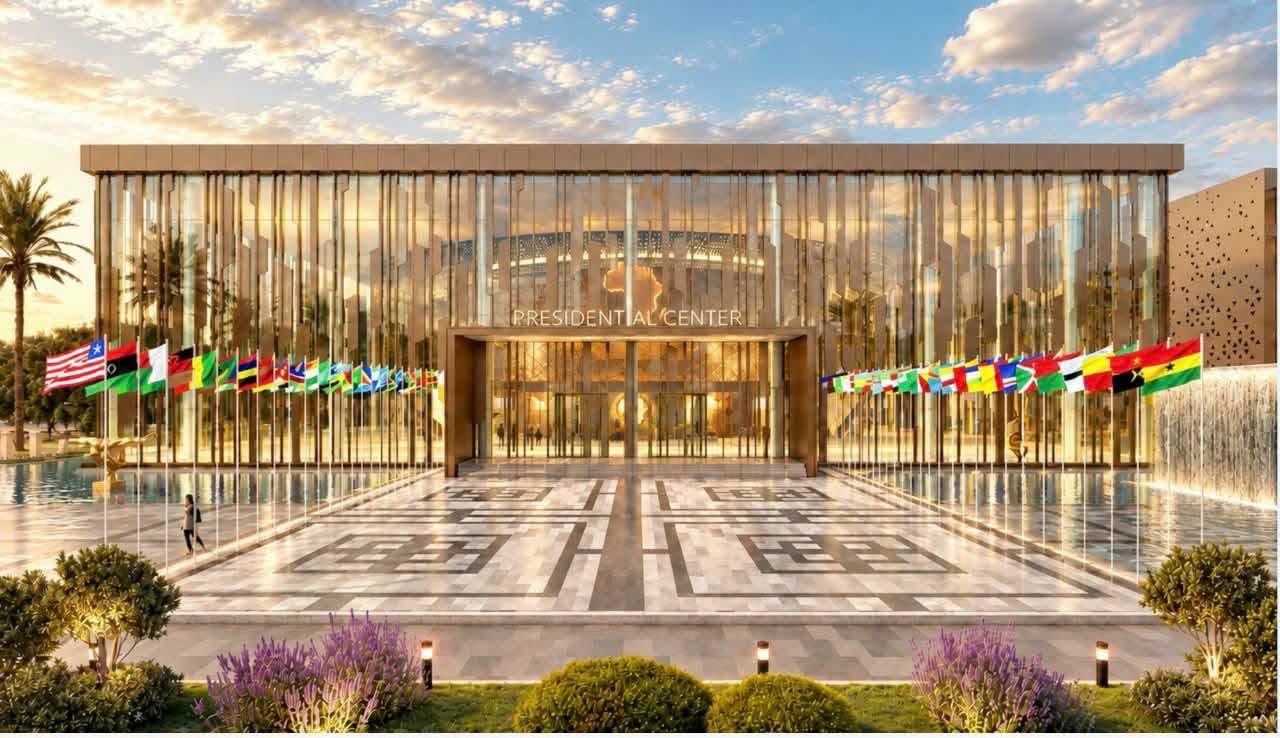
Ghana should pursue a world-class convention facility with a minimum capacity of 20,000 participants, rather than a proposed 3,000-capacity facility. Government must also accelerate the redevelopment of the Accra International Trade Fair Centre into a modern destination for international conventions, exhibitions and trade events.
These investments would enable Ghana to compete for large-scale religious conventions, professional congresses, international exhibitions and major corporate gatherings.
President John Dramani Mahama’s vision for an Accra Convention Centre deserves strong commendation. The priority now is implementation, backed by adequate investment, institutional capacity and effective public-private partnerships.
Ghana cannot afford to treat MICE tourism as a peripheral activity. With business travel already accounting for 31 per cent of international arrivals and the conference and entertainment segment recording 14.3 per cent growth, the opportunity is clear.
The time to act is now. Ghana must move from hosting conferences to bidding for them, from waiting for international events to attracting them, and from possessing tourism potential to establishing itself as a leading MICE destination in Africa.
By Arc. Ekow Sampson