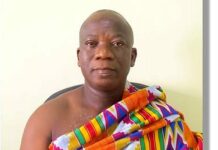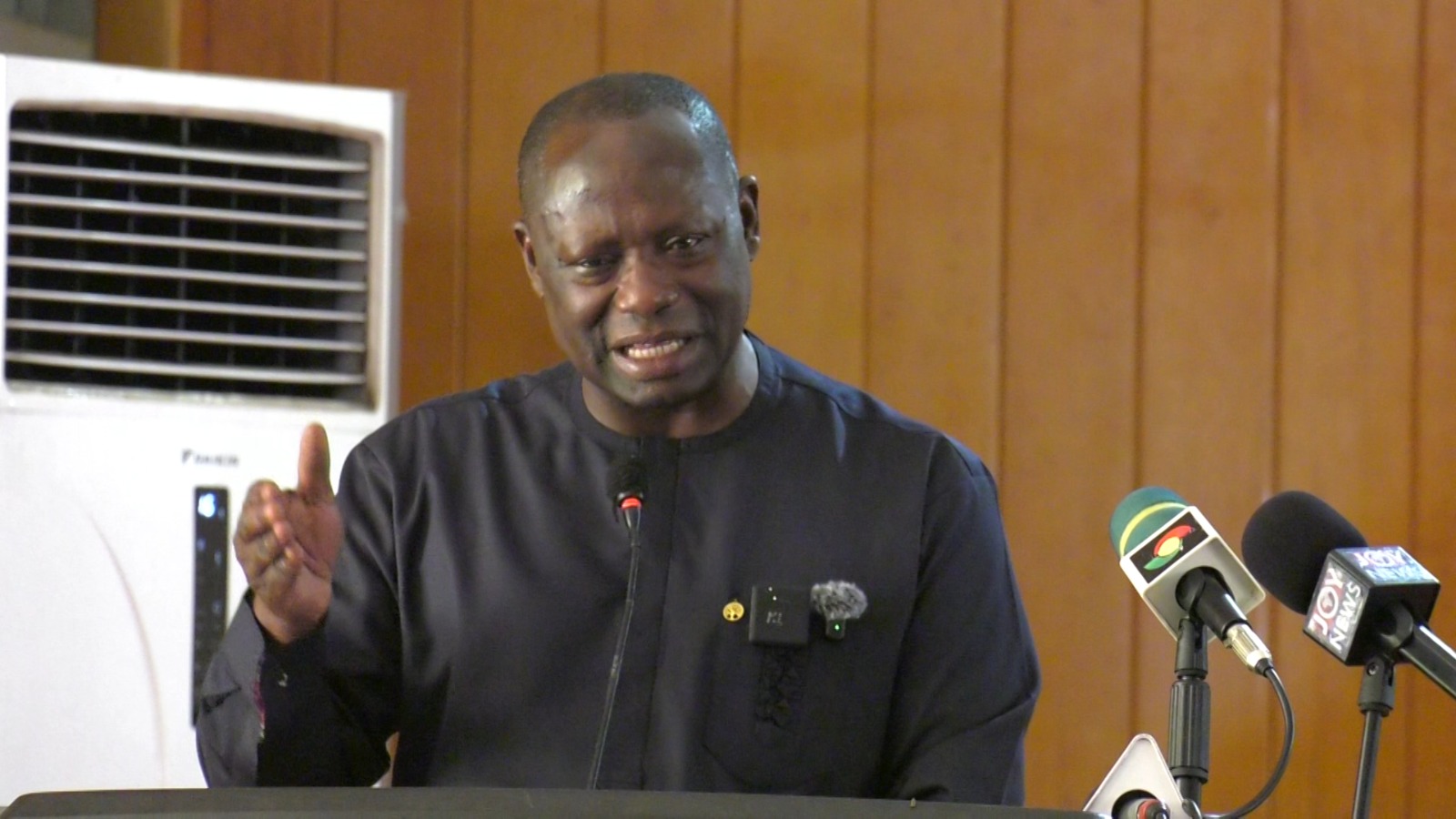

The Minister for Lands and Natural Resources, Emmanuel Armah-Kofi Buah, has called on students and young professionals to take a leading role in the fight against illegal mining, warning that the destruction of Ghana’s forests and pollution of its rivers have reached alarming levels.
He says nearly 9,000 hectares of forest cover have been destroyed, an area equivalent to about 12,500 football fields, with devastating consequences for the country’s water resources and environmental security.
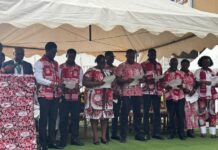
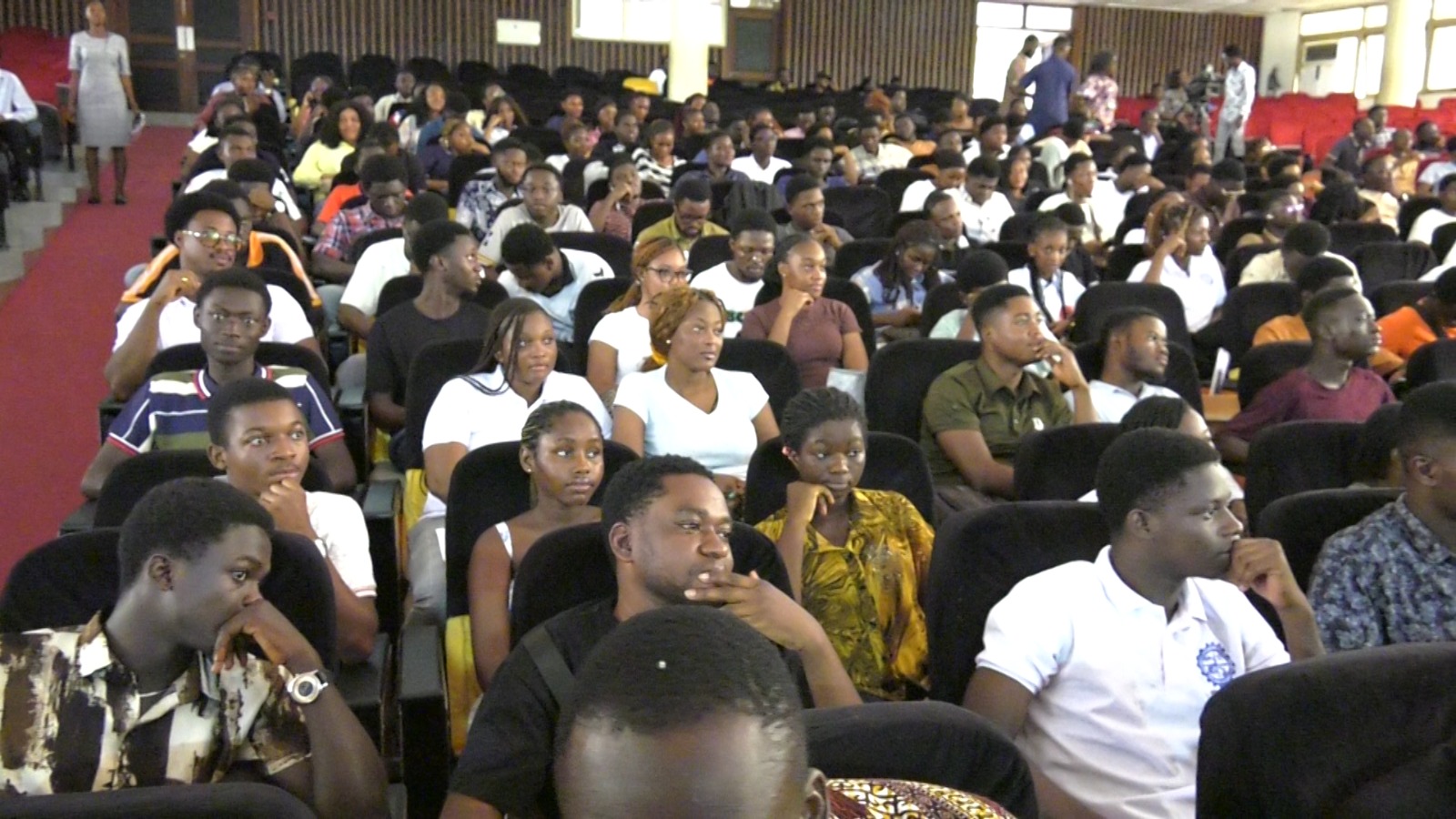
Speaking at a seminar organised by students of the Geological Engineering Department of the Kwame Nkrumah University of Science and Technology (KNUST), the Minister said the fight against illegal mining could no longer be left to government and law enforcement agencies alone.
“Today, I can tell you that this issue of illegal mining must be our collective responsibility,” he told the students, adding that the younger generation must take ownership of efforts to protect the environment.
“Out of Ghana’s 288 forest reserves, about 50 have been severely impacted by illegal mining activities. Just think about one football field and look at 12,500 football fields completely gone. This is forest that is giving us air, water,” he said.
The Minister warned that the destruction threatens critical ecological systems, particularly water sources, with nearly 60 per cent of the country’s water supply linked to forest reserves.
He also raised concerns about the extent of pollution in major rivers, including the Pra, Offin, Birim and Ankobra, particularly in the Western and Western North regions.
“Turbidity levels in some affected water bodies range between 5,000 and 12,000, compared with the acceptable range of zero to 500, making the treatment of water for safe consumption increasingly difficult. This is seriously a crisis,” he stressed.
Mr Kofi Buah also outlined proposed reforms to Ghana’s mining regulatory framework, saying government was reviewing the existing mining policy and introducing a new Mining Act to promote responsible extraction and strengthen local participation.
Under the proposed legislation, reconnaissance licences will be abolished, while exploration licences will be subject to stricter timelines and conditions.
He explained that companies would be given an initial two-year period to undertake exploration, with the possibility of an extension to five years if they meet the required conditions.
The measure, he said, is intended to prevent individuals and companies from holding large tracts of land for years without undertaking meaningful exploration.
“After five years, if you can’t find the gold, let’s leave the land back to the community to do farming,” he said.
The proposed law will also introduce mandatory Community Development Agreements as part of mining leases.
The agreements will require mining companies to work with host communities from the beginning of their operations to develop local skills, create employment opportunities and address community development priorities.
The Minister said the arrangement would prevent situations where mining communities endure years of mineral extraction without tangible benefits or opportunities for their people.
“Don’t come and tell us after 20 years that, ‘Oh, I don’t have any of you employed here because you don’t meet the qualification. No. Let’s have a plan from day one,” he said.
He explained that mining companies would be expected to support the training of local people, including geologists and engineers, to prepare them for employment opportunities within the industry.
While acknowledging the importance of mining to Ghana’s economy, Mr Armah-Kofi Buah insisted that mineral extraction must not destroy the country’s environmental resources.
“We can do mining, but mining must be done in a sustainable, environmentally cautious and responsible manner. And that is the charge for all of us,” he said.
He urged the geological engineering students to use their training and professional expertise to promote sustainable mining practices and help build a mining industry that creates opportunities for Ghanaians while protecting the environment.
The Minister said government was also prioritising local content and capacity development to ensure that Ghanaian graduates, particularly engineers and geologists, have meaningful employment opportunities in the mining sector.
By Ibrahim Abubakar