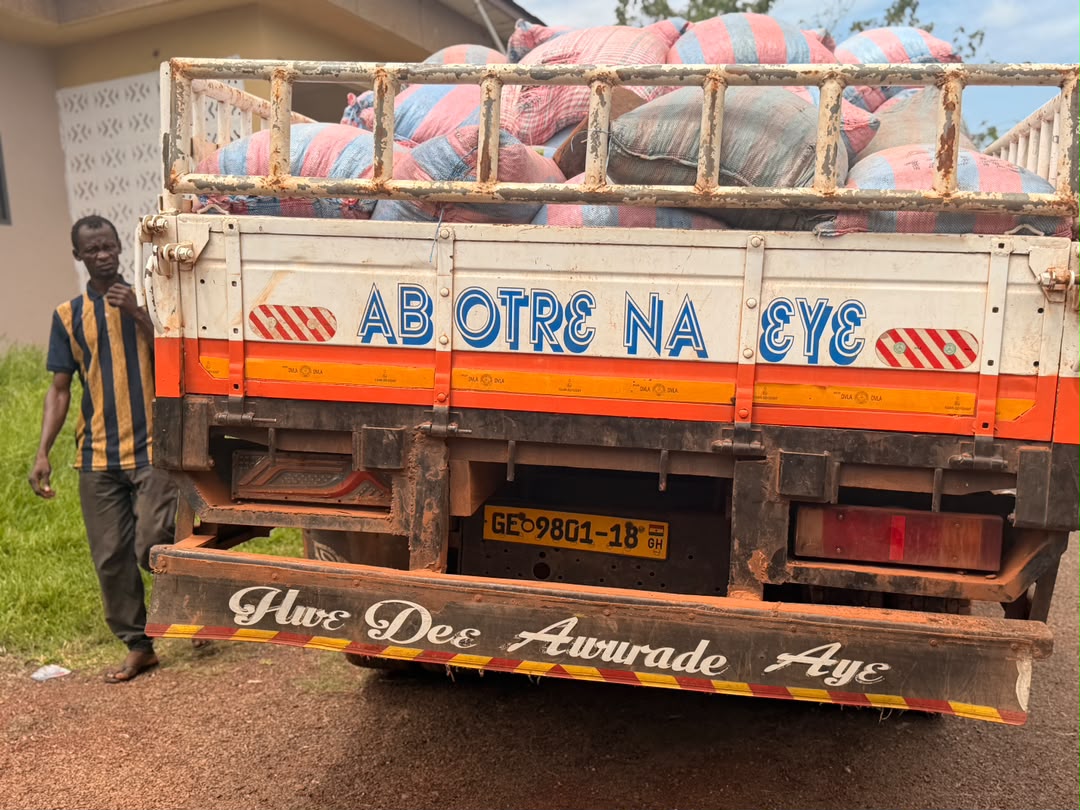

Four persons, including a driver, have been arrested in a joint security operation over the alleged smuggling of 116 bags of cocoa beans from Côte d’Ivoire into Ghana through the Yakasi forest border in the Aowin Municipality of the Western North Region.
The operation involved National Security operatives from Accra and their counterparts in Enchi.
The arrests come amid growing concerns over the illegal movement of cocoa beans across Ghana’s borders, reportedly driven by differences in producer prices between Ghana and neighbouring Côte d’Ivoire.
The interception of the 116 bags has, however, raised questions about the effectiveness of border surveillance and the role of security agencies stationed along the Ghana-Côte d’Ivoire border.
The Ghana Immigration Service is responsible for monitoring the movement of persons across the country’s borders, while the Customs Division of the Ghana Revenue Authority oversees the movement of goods into and out of the country.
Their presence at various border checkpoints is expected to help detect and prevent illegal cross-border activities.
But how are suspected smugglers able to move substantial quantities of cocoa beans across the border without being detected?
The involvement of National Security operatives from Accra in the operation has also prompted questions about the effectiveness of local intelligence gathering and surveillance arrangements in Aowin.
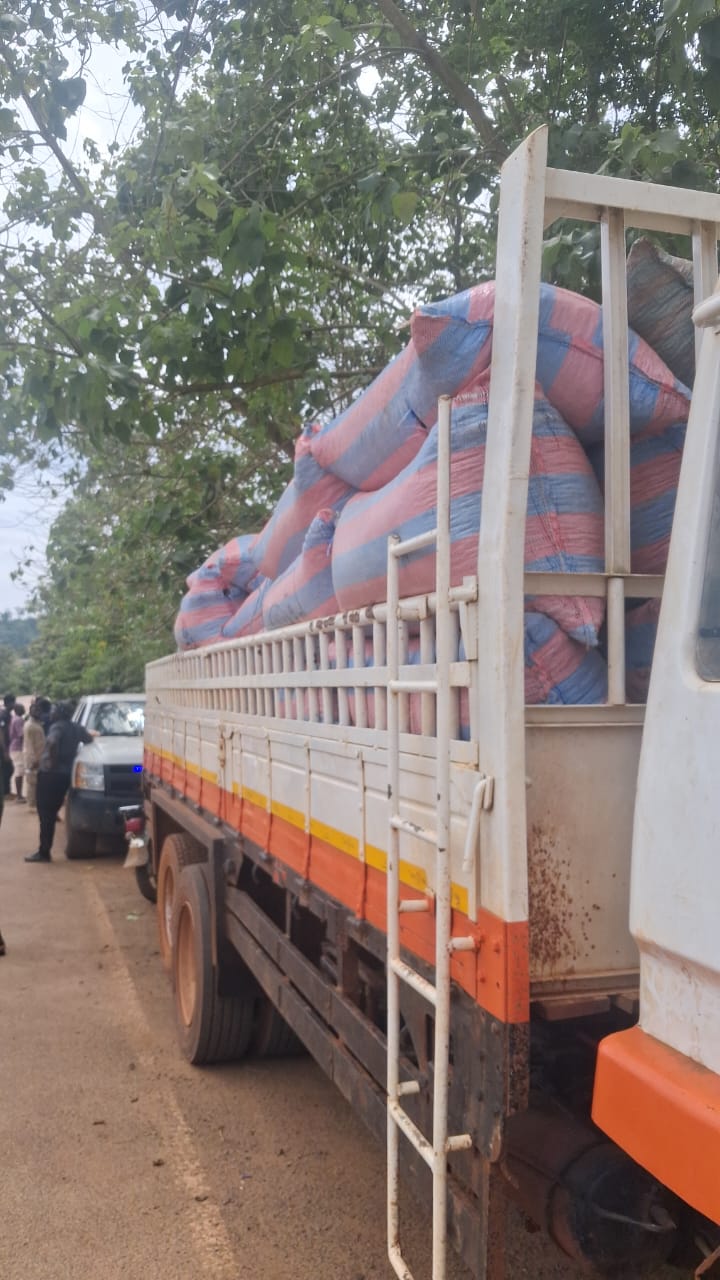
Why should a national security team have to travel from Accra to Enchi to undertake an operation of this nature when security agencies are already stationed along the border?
While the arrests do not necessarily suggest wrongdoing by all officers stationed in the area, the development calls for a closer examination of border monitoring and enforcement.
The relevant authorities must establish the routes used by the suspected smugglers and determine whether there were any lapses, negligence or possible complicity among personnel responsible for border security.
Ghana’s cocoa industry remains a critical part of the national economy, making efforts to protect the commodity from illegal cross-border trade particularly important.
The four suspects are expected to assist investigations into the alleged smuggling operation.
The people of Aowin deserve answers, and the relevant security agencies must demonstrate that Ghana’s borders are adequately protected.
The question remains: What exactly are our Immigration and Customs officers doing at the border?
By Mathew Ahiaveh