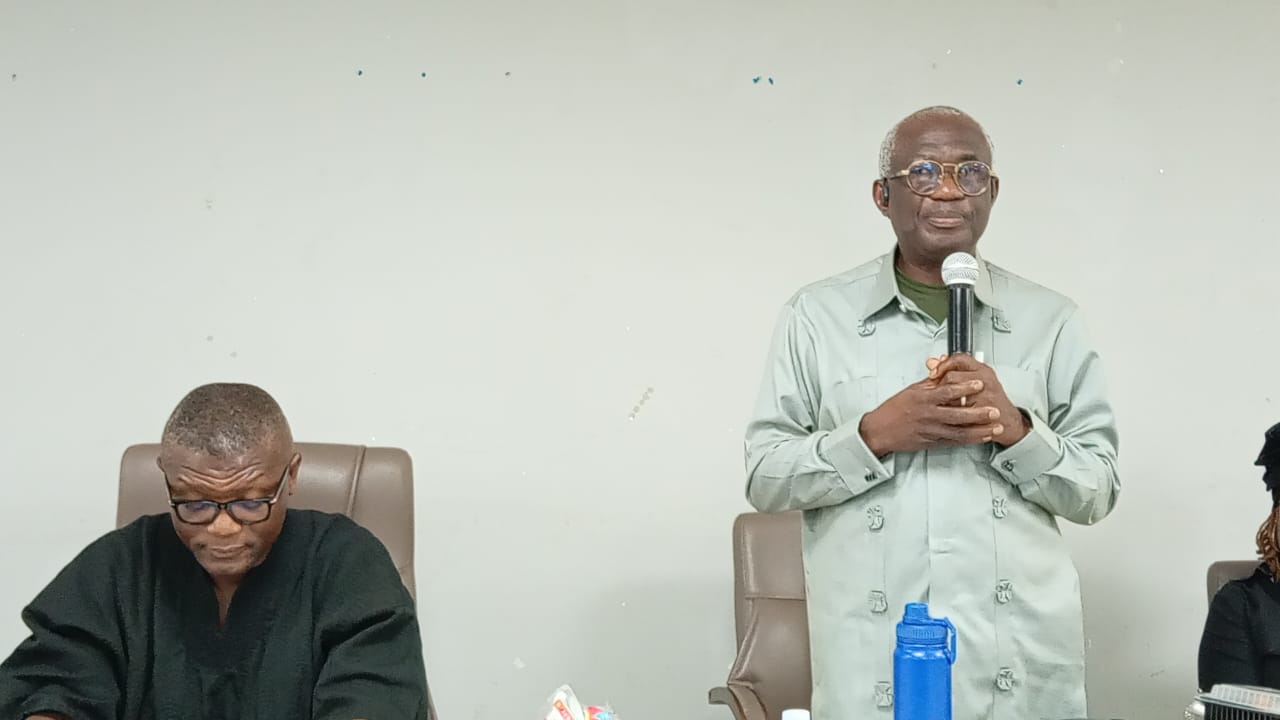

The Administrator of the Ghana Sports Fund, Dr David Kofi Wuaku, has called for stronger advocacy to make sports a more visible part of Ghana’s national development and budgetary discussions.
He expressed concern over what he described as the limited visibility of sports in the national budget statement presented on Thursday, November 12, 2026, urging sports stakeholders and journalists to intensify efforts to communicate the sector’s wider economic and developmental value.
Speaking at a stakeholder consultation on the Ghana Sports Fund regulations at the Shippers Authority in Accra on Friday, November 13, Dr Wuaku said the sports industry needed to be more proactive in demonstrating its contribution to national development.
“I know many of us may not be happy because sports was not very visible in the budget statement yesterday. It has not been mentioned,” he said.
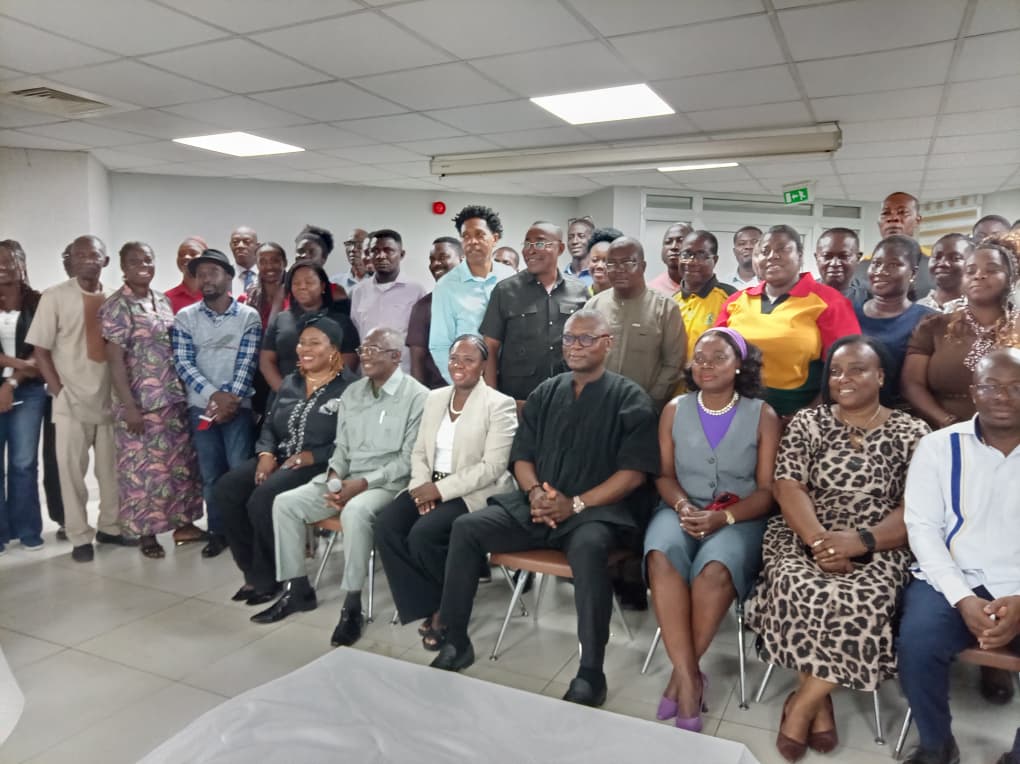
He argued that the responsibility of making sports relevant in national conversations could not be left to government institutions alone.
According to him, stakeholders must communicate more actively to ensure that policymakers and the general public appreciate the value of investing in the sector.
Dr Wuaku particularly challenged sports journalists to reconsider how they report on sports, moving beyond match results, competitions, and individual performances to examine the sector’s wider economic implications.
He said sports should no longer be viewed exclusively as an activity involving teams and athletes but as an industry with the potential to open up economic opportunities.
The administrator’s call comes at a time when the Ghana Sports Fund is working with federations, institutions, and other stakeholders to develop regulations for implementing the Ghana Sports Fund Act, 2025 (Act 1159).
The consultation is intended to provide an opportunity for stakeholders to contribute to the regulatory framework that will guide the fund’s operations.
Dr Wuaku said the media had an important role in helping the country understand the transition from traditional approaches to sports management towards a more structured development system.
He urged journalists to help reshape the national conversation around sports and make its contribution to economic growth and development more visible.
His comments raise an important question about the place of sports in Ghana’s development priorities and the need for sustained advocacy to secure greater recognition for the sector in national planning and resource allocation.