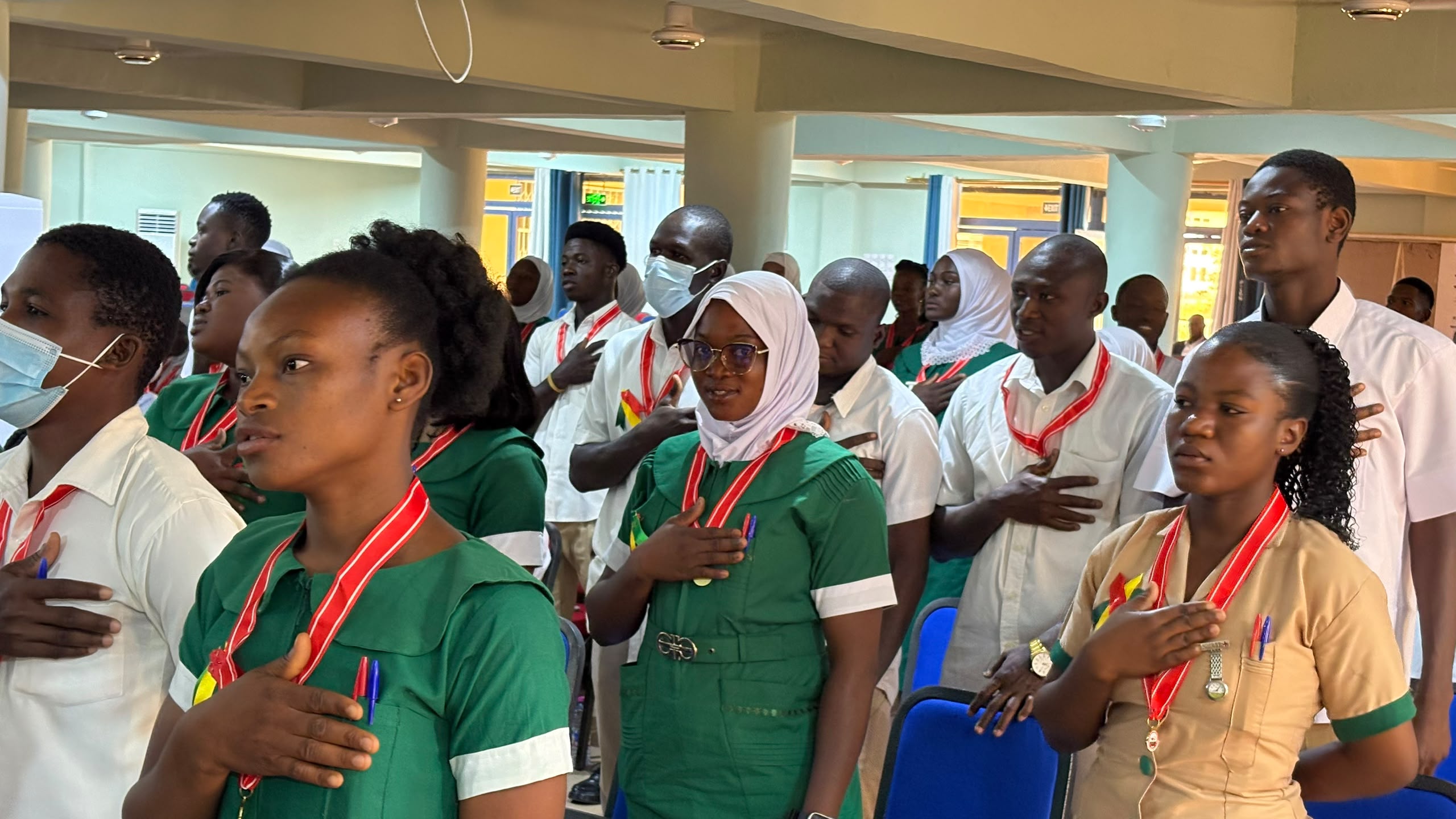

Over 2,000 nurses, midwives, and post-basic specialist nurses in the Upper West and Savannah Regions were inducted into their respective professions in Wa on Friday, November 20, 2026.
The inductees are part of the more than 33,000 nurses and midwives expected to be inducted by the Nursing and Midwifery Council of Ghana across the country this year.
The ceremony marked the formal entry of the new professionals into the healthcare workforce, with speakers urging them to uphold professional ethics, demonstrate clinical competence and prioritise patient safety.

Addressing the inductees, the Registrar of the Nursing and Midwifery Council, Mrs Philomena A. N. Woolley, said their professional responsibilities went beyond passing licensing examinations. She stressed that the quality of care they provide would ultimately determine public confidence in the professions.
She urged them to take the mandatory clinical rotation seriously, describing it as an important opportunity to translate theoretical knowledge into practical skills and strengthen their clinical judgement.
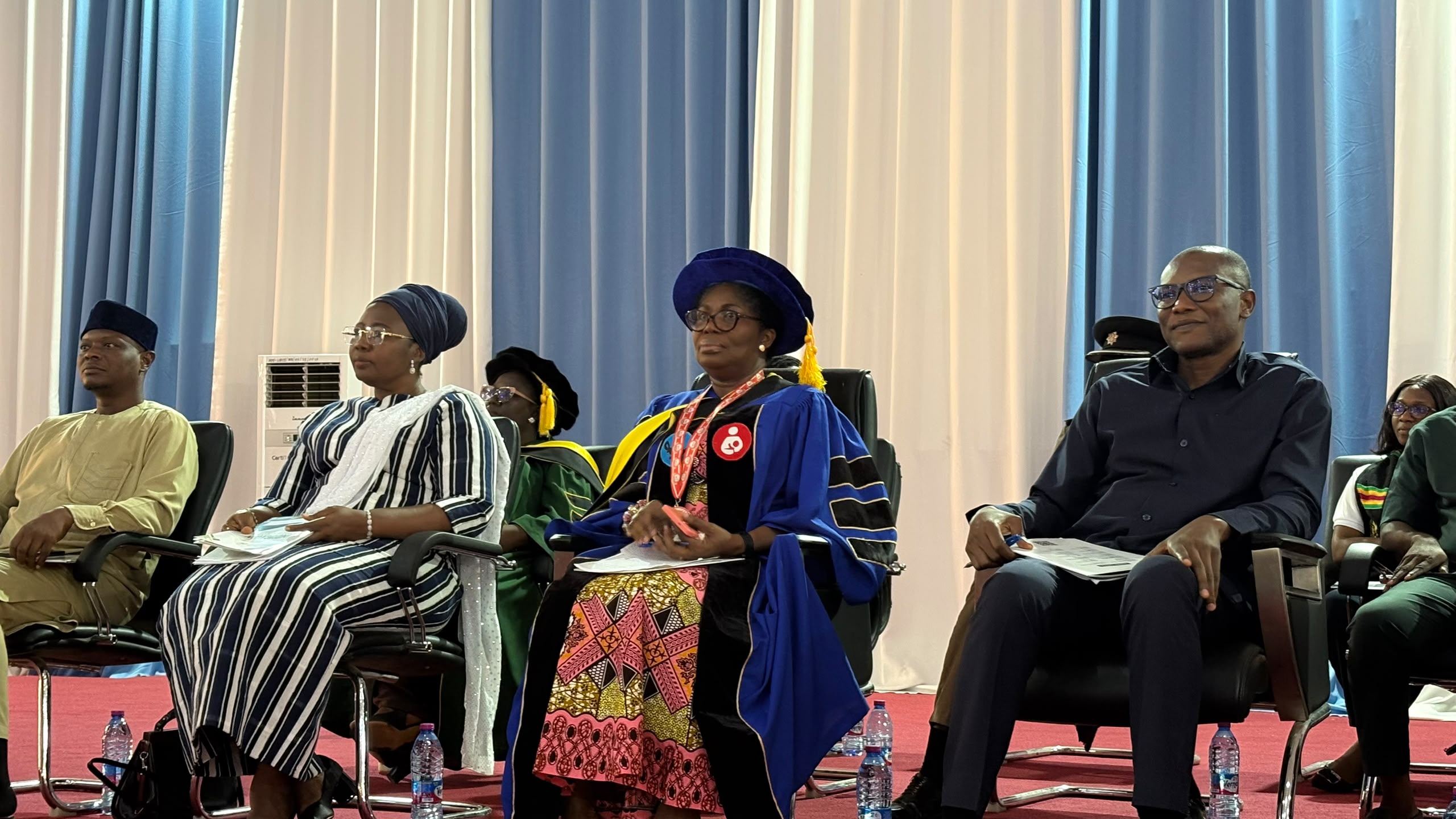
Mrs Woolley also encouraged the new professionals to embrace digital innovation in healthcare delivery, while exercising caution in the use of artificial intelligence and social media.
She cautioned against the unauthorised disclosure of patients’ personal information, emphasising that protecting patient confidentiality was an essential part of professional responsibility.

The Principal of the Nursing and Midwifery Training College, Damongo, and National Vice President of Conference of Heads of Health Training Institutions (COHHETI), Mrs Shirley Issah, described the mandatory 12-month clinical rotation as a critical bridge between academic training and independent professional practice.

She explained that although the classroom provides the theoretical foundation, clinical exposure enables newly qualified professionals to develop practical skills, exercise sound clinical judgement and respond appropriately to changing patient conditions.
Mrs Issah, however, raised concerns about pressure on available clinical facilities resulting from increased student enrolment, which she said could limit opportunities for practical exposure and individual supervision.
She called on the Ministry of Health and the Ghana Health Service to invest in clinical supervision, preceptor development, digital infrastructure and other learning resources to ensure effective professional development.

She further urged the inductees to remain humble, punctual and receptive to constructive criticism during their clinical rotation, warning that failure to seek assistance when necessary could expose patients to avoidable harm.
The Upper West Regional Director of Health Services, Dr Josephat Nyuzagh, encouraged the newly inducted nurses and midwives to consider serving in rural and deprived communities, despite the challenges associated with working in such areas.
He noted that although the government had prioritised recruitment into underserved areas, the backlog of qualified health professionals awaiting public-sector employment remained a concern.
Dr Nyuzagh therefore urged the inductees to consider volunteering and continuously upgrading their clinical skills while waiting for employment opportunities.
He stressed that the mandatory 12-month rotation alone might not be sufficient to sustain their professional competence, making continuous learning and personal development necessary.
Dr Nyuzagh also emphasised the importance of treating patients with compassion and dignity, reminding the professionals that people who seek healthcare are often at their most vulnerable moments.
He cautioned against attempting clinical procedures beyond their competence and urged them to seek assistance or refer patients when necessary.
The Regional Director further highlighted the growing importance of technology in Ghana’s healthcare system, encouraging the inductees to familiarise themselves with digital platforms used for health information management, reporting and service delivery.
He also warned against the inappropriate use of mobile phones and social media in clinical settings, particularly the sharing of identifiable patient information without authorisation.
The induction ceremony was held under the theme: “Building Competence Through Mandatory Rotation and Digital Innovation: Empowering Newly Qualified Nurses and Midwives to Improve Quality, Safety and Sustainable Care Outcomes.”
The speakers expressed confidence that with continuous professional development, effective supervision and responsible use of technology, the newly inducted professionals would contribute significantly to improving healthcare delivery and patient outcomes in Ghana.
By Ibrahim Abubakari Wangara