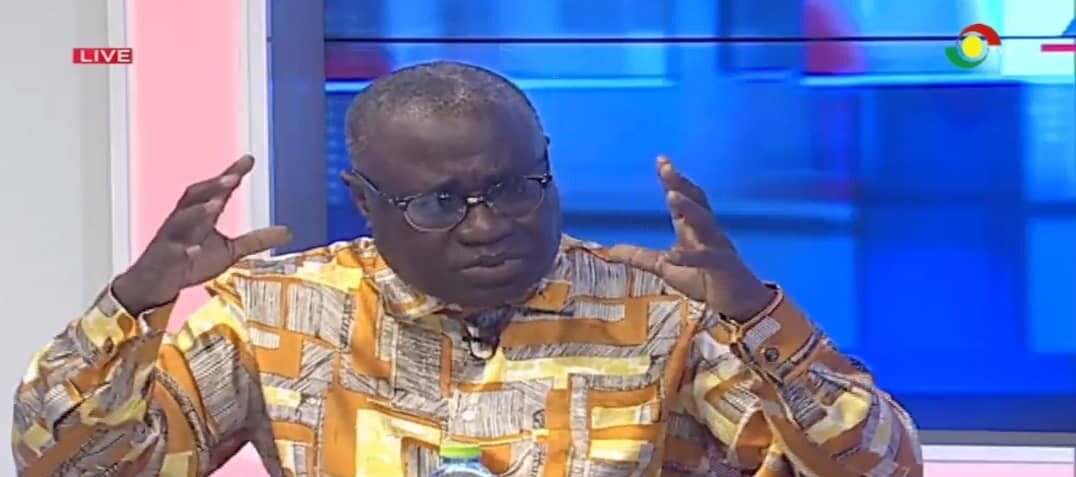

Security analyst Professor Kwesi Aning says Ghana has made significant strides in repairing relations with its immediate neighbors over the past year.
He however warns that the recent killing of Ghanaian tomato traders in northern Burkina Faso exposes critical gaps in citizen protection and travel security.
In an interview with 3news, Prof. Aning described Ghana’s renewed diplomatic posture under President John Dramani Mahama as a strategic return to good neighborliness and regional trust-building.
According to him, early engagements with Burkina Faso’s leader, Ibrahim Traoré, as well as Ghana’s outreach to Côte d’Ivoire and Togo, signal a deliberate effort to stabilize relations within the sub-region.
He noted that diplomacy in West Africa requires careful management of immediate neighbors, especially in matters of intelligence sharing and border cooperation. While initiatives such as the Accra Initiative were designed to promote trust and joint security coordination, Prof. Aning believes previous tensions strained Ghana’s relationship with Burkina Faso.
He commended recent diplomatic interventions and the appointment of a special envoy to engage the Alliance of Sahel States, describing them as “smart moves” that have improved Ghana’s standing in the region.
However, he stressed that the tragic killing of Ghanaian traders deep inside northern Burkina Faso demands serious national reflection.
The area where the attack occurred lies hundreds of kilometers from Ouagadougou and close to zones long affected by extremist activity. Prof. Aning questioned how the traders were able to travel so far into a high-risk territory and whether sufficient intelligence warnings were issued.
He also raised concerns about whether Ghana issued adequate travel advisories prior to the incident.
“One of the core responsibilities of the State is to protect its citizens,” he said, arguing that travel advisories serve as critical tools to warn nationals about dangerous destinations.
While emphasizing that his comments are not intended as political criticism, Prof. Aning insisted that painful questions must be asked: “Were security agencies alerted to the movement of the trucks? Were there warning signs? Could stronger advisory mechanisms have prevented the loss of lives?”
Beyond security coordination, he urged Ghanaian traders traveling to volatile regions to notify embassies or consular officials and to heed official guidance.
He cautioned against attempting to negotiate with extremist or terrorist groups, describing them as unpredictable and opportunistic actors whose loyalties can shift without warning.
Prof. Aning also suggested that the tragedy should reignite discussions about strengthening Ghana’s domestic agricultural production, particularly tomato cultivation, to reduce dependence on imports from unstable regions.
For him, the deaths of the traders must not simply be mourned and forgotten.
Instead, he said, Ghana must draw clear lessons, strengthening intelligence collaboration, improving travel advisories, and ensuring that diplomacy and citizen protection go hand in hand.
By Evelyn Tengmaa