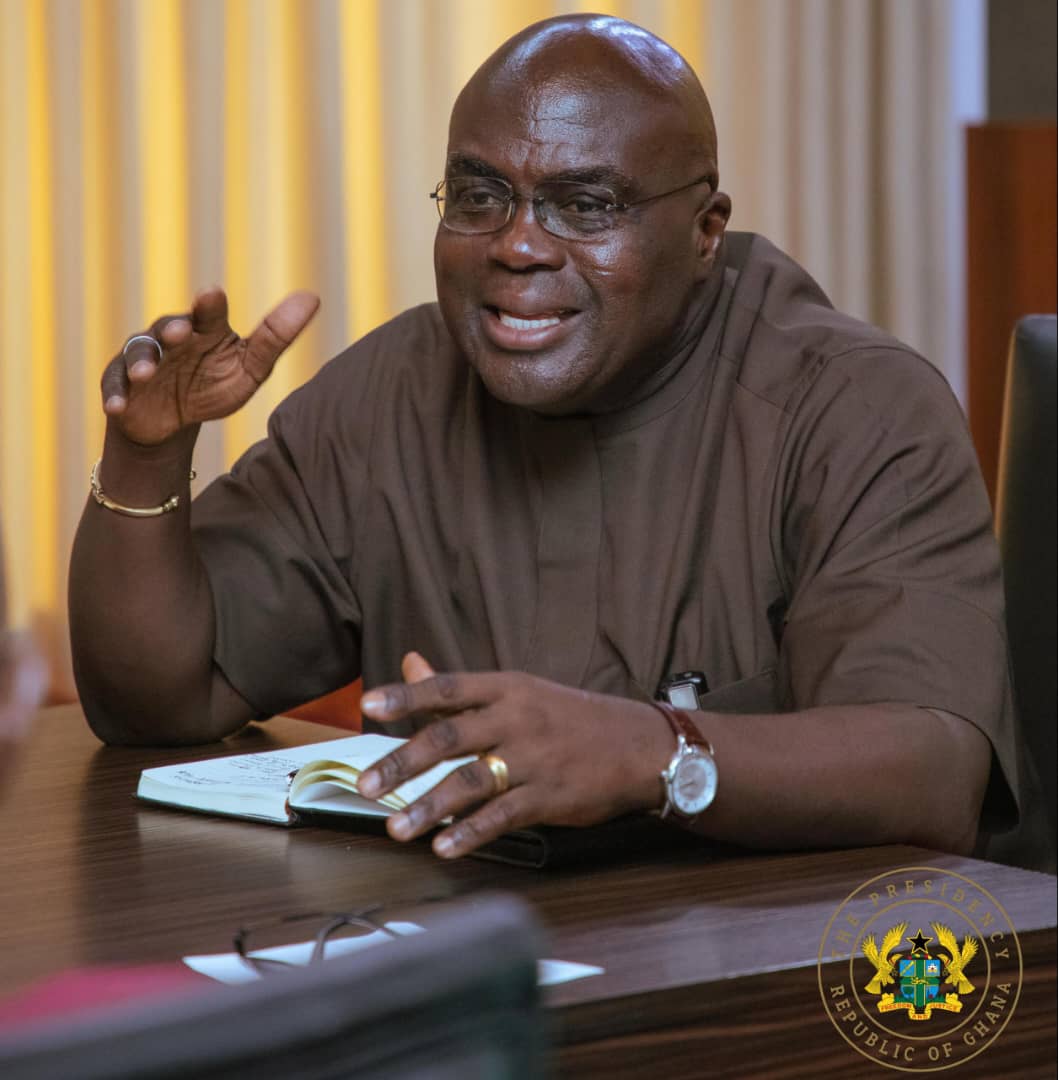

The Chief of Staff, Julius Debrah, has called for a collective effort to confront corruption, saying the canker annually rips the country of huge sums of revenue that could be used to build hospitals and create decent jobs for Ghanaians.
At the launch of the stakeholder engagements on the National Ethics and Anti-Corruption Action Plan on Tuesday, September 16, Mr. Debrah lamented the worrying trend of ethical decay in the society and how even students who sit for exam continue to exhibit unethical conducts.
“According to the Ghana Anti-Corruption Coalition, our nation loses an estimated 3 billion US dollars annually to corruption. That figure is twice the amount of our yearly foreign direct investment which stands around approximately 1.5 million dollars yearly.
“This loss deprives us of the very resources we need to build schools, hospitals roads and create decent jobs for our youth. We must confront this reality. If we fail to protect our resources, we will never have enough to build schools, hospitals and roads our people deserve,” he said.
Julius Debrah emphasized that preventing corruption is still of utmost importance since it erodes investor trust and puts important projects like the planned 24-hour economy at danger of failing.
“Corruption also erodes investor confidence, clogs our institutions with inefficiency, and undermines the very trust that holds our democracy together. Corruption is the silent force that stalls progress, drains public resources, and drives our youth to seek opportunities abroad—even in countries that once looked up to Ghana,” he added.
Executive Director of Transparency International Ghana, Mary Awelana Addah, underscored the need for collective action to fighting corruption.
“The fight against corruption can’t be left to the government, nor can it be reduced to sloganeering; it must be a national commitment, a partnership of leaders and citizens alike. Let us commit to shaping a plan that is truly inclusive, where no voice is silenced, no community is excluded, and no citizen is left behind,” she said.
The NEACAP 2026–2030 framework is expected to strengthen accountability systems and promote a culture of ethics across state institutions and society.