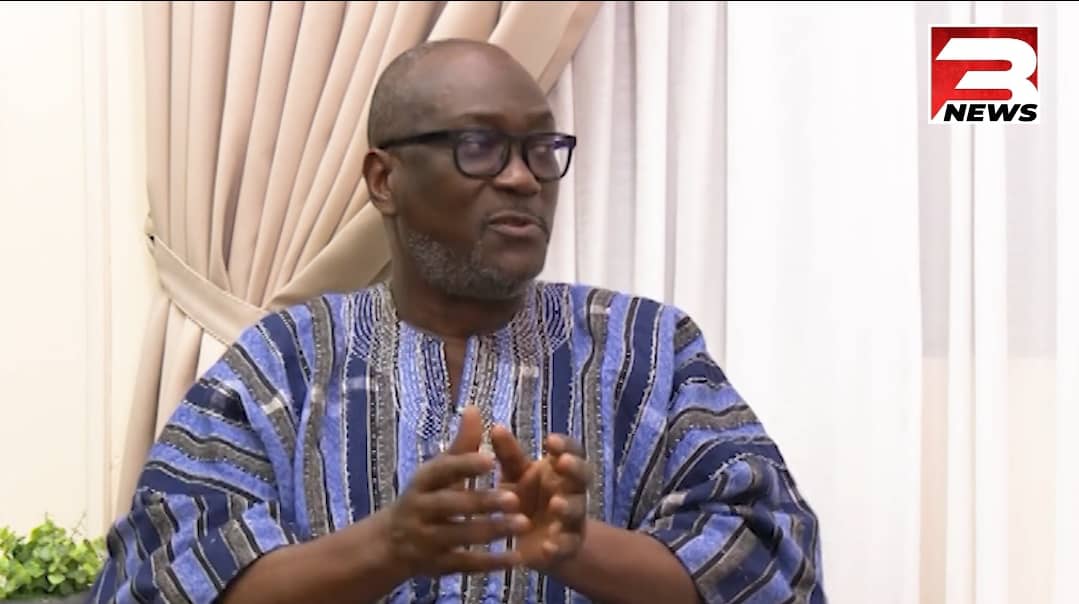

Chairman of the Constitutional Review Committee, Professor Henry Kwasi Prempeh, has revealed that Ghanaians are generally tired of the kind of democracy being practiced in the country.
He says although citizens are satisfied with participating in decision-making, particularly voting governments in or out, they’re tired of the routine that has had little impact on their lives.
Prof. Prempeh, speaking on Hot Issues on TV3 on Sunday, December 28, 2025, explained that Ghana’s democracy is becoming “choiceless” for citizens because, despite participating in regular elections, there’s little meaningful change in governance or socioeconomic outcomes.
Ghana’s 1992 Constitution, he averred, has delivered political stability but hasn’t sufficiently translated democratic competition into developmental results.
“You could tell from the opinions that were expressed that people were really satisfied. They like the democracy that they are seeing in terms of their ability to speak your mind, vote for the government you like, you vote against a party you don’t like.
“But I think they were getting a bit tired of those things –so we change these parties, so then what?– so for most most people I think you could get the sense that the democracy was becoming choiceless for them. We have these [two parties], you go here, we come back, we go here we come back, our lives are still the same,” he explained.
These responses, he noted, necessitated recommendations such as getting opinions of the public before certain bills are passed in parliament, to curb the incidence citizens neglection in key decision making after elections.
The Constitutional Review Committee, chaired by Prof. Prempeh, conducted nationwide consultations, engaging with citizens, civil society groups, and traditional authorities across all ten out of the 16 regions.
It’s mandate was to identify gaps in previous constitutional reforms and recommend amendments to improve governance.
Their report highlights growing frustration among Ghanaians, who feel the democratic system no longer offers meaningful alternatives despite regular elections.
Among the key governance reforms it proposed was aimed at addressing concerns about Ghana’s “choiceless democracy,” where citizens experience little change in governance quality or socioeconomic outcomes despite periodic elections.