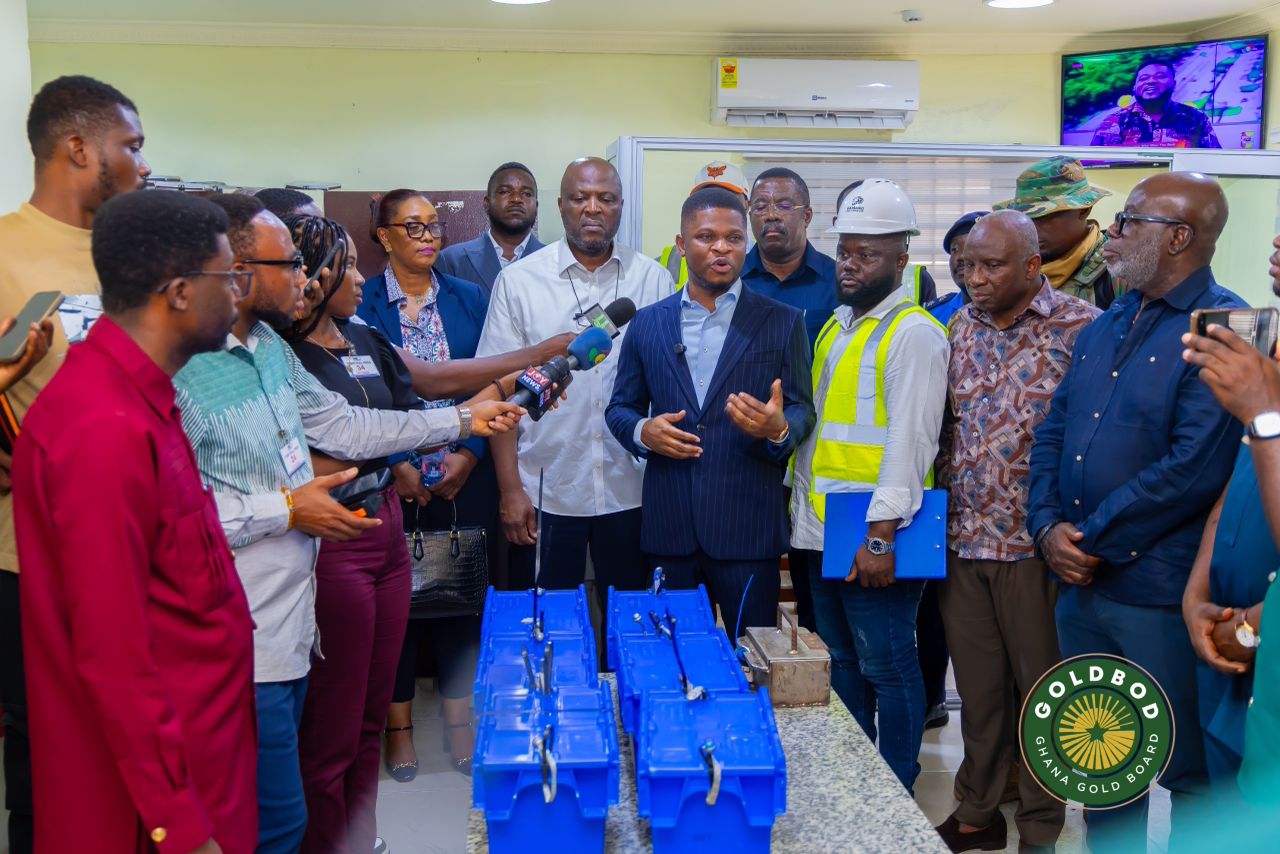

Ghana has recorded what officials describe as a major shift in its mineral resource management, following the decision by the Damang Gold Mine to sell its entire first gold output to the state.
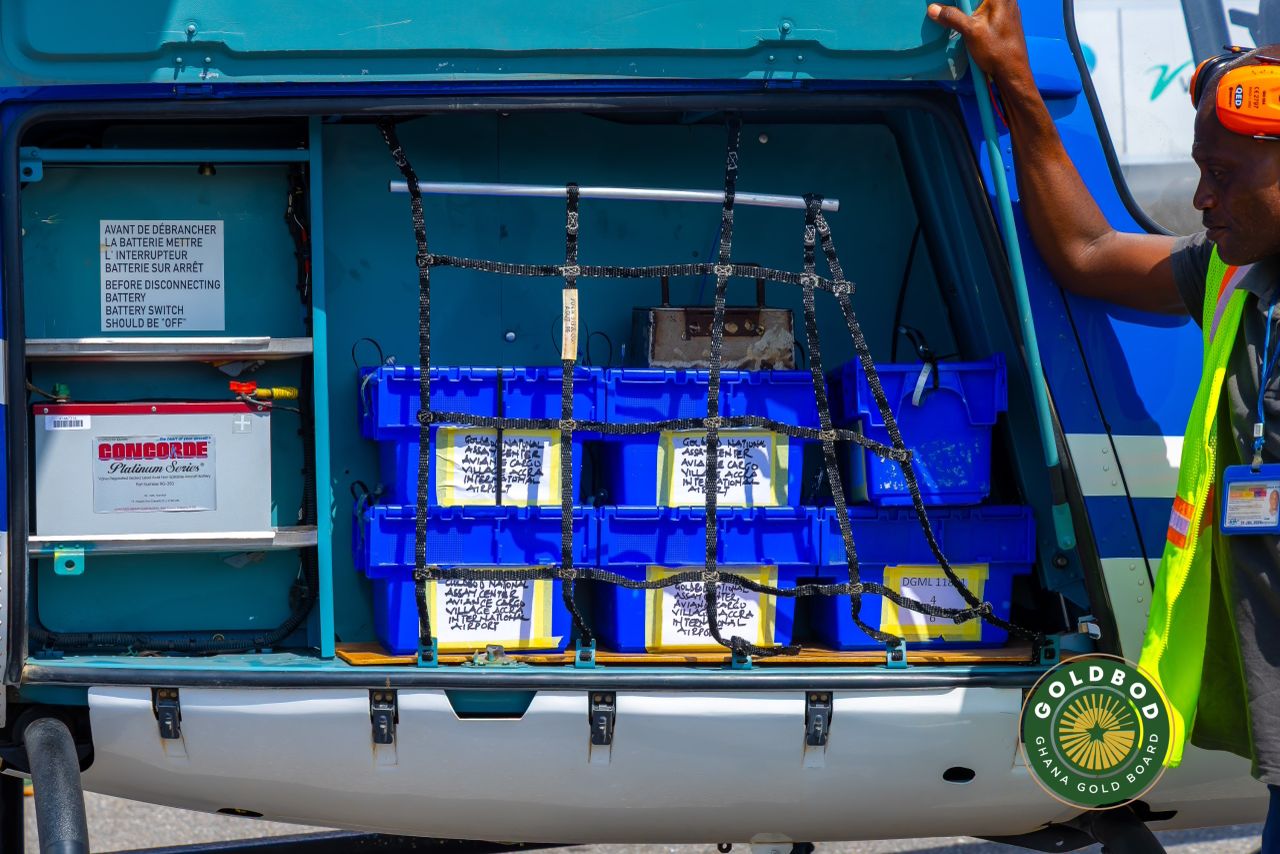
At a ceremony, the Chief Executive Officer of the Ghana Gold Board, Sammy Gyamfi, announced that the mine now under the control of Ghanaian businessman Ibrahim Mahama has delivered 100 percent of its initial production, estimated at about 3,000 ounces, to the government through the Gold Board.
According to him, the gold will be assayed, valued, and transferred to the Bank of Ghana to support the country’s foreign reserves and economic stability.
“This is the beginning of a major transformation in how Ghana benefits from its gold resources,” Mr. Gyamfi said, emphasizing that unlike many multinational mining firms, the Damang Mine has opted to retain full value within the local economy.
He noted that in 2025, Ghana earned significantly less from large-scale mining despite producing gold worth billions of dollars, as many companies retained up to 80–100 percent of their revenues offshore under existing agreements.
In contrast, he highlighted that small-scale mining operations contributed about 104 metric tonnes of gold valued at roughly 10 billion dollars, with proceeds largely repatriated into the economy following recent policy interventions.
Mr. Gyamfi described the Damang Mine’s decision as a “game changer,” urging other large-scale mining companies to follow suit by increasing the proportion of gold sold locally to strengthen Ghana’s reserves.
“This is what happens when Ghanaians take control of their natural resources. The benefits stay within the country,” he added.
Also speaking at the event, a representative of the Bank of Ghana who is the Head of Gold Management, Paul Bleboo, said the development would significantly boost the country’s reserve position and help stabilize the local currency.
He further indicated that the gold, delivered in its raw doré form, will be refined locally ensuring that additional value such as refining costs and by-products like silver are retained within Ghana.
Meanwhile, lawyer for Ibrahim Mahama’s Damang Gold Mine, Bobby Banson, described the move as a deliberate effort to contribute to national development, expressing hope that it would set a precedent for other mining firms.
“This is just the beginning. We believe Ghana can build a stronger economy if we all play our part,” he said, assuring of continuous supply under competitive pricing conditions.
The initiative aligns with government’s broader strategy to enhance foreign reserve accumulation and reduce capital flight in the mining sector, as part of efforts to achieve long-term economic stability.
By Evelyn Tengmaa