
The Acting Managing Director of the Electricity Company of Ghana (ECG), Julius Kpekpena, has disclosed significant strides made by the company in addressing internal challenges and enhancing operational performance.
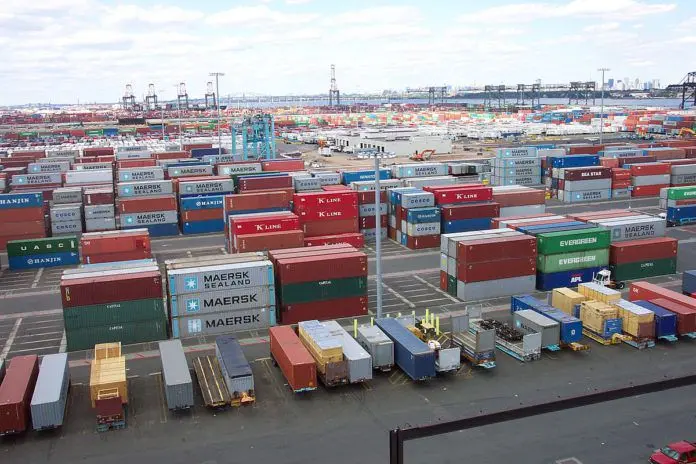
According to Mr. Kpekpena, ECG has successfully retrieved more than 1,000 containers that had gone missing in the early part of 2025. This revelation was made during a briefing with members of the Parliamentary Committee on Energy in Accra.
As part of ECG’s broader reform agenda, Mr. Kpekpena stated that the company has cancelled over 200 contracts deemed non-performing or unnecessary.
He also announced that ECG had recorded its highest-ever revenue, amounting to 1.74 billion Ghana cedis, attributing this milestone to tighter financial controls, improved operational oversight, and renewed enforcement of accountability mechanisms within the company.

Tariff Increment Not Targeted at Consumers
Addressing the controversial issue of a proposed 220% tariff increase, the Acting MD was quick to clarify that the increment is not aimed at individual residential consumers. Instead, he described it as part of a larger restructuring strategy to ensure the financial sustainability of ECG and improve service delivery across the country.

Illegal Meter Installations and Alleged Political Interference
In a bold accusation, Mr. Kpekpena called out some Members of Parliament (MPs), District Chief Executives (DCEs), and Municipal Chief Executives (MCEs) for allegedly facilitating the installation of illegal electricity meters in their constituencies. These meters, he said, are not captured in ECG’s official records, resulting in significant revenue losses for the company.

“Some of these leaders are directly or indirectly involved in supporting individuals to fix unauthorized meters, which compromises ECG’s data integrity and revenue generation,” Mr. Kpekpena told the committee.
Committee Members Raise Concerns Over ECG’s Performance
Following the MD’s briefing, several members of the Parliamentary Committee on Energy expressed deep concern over what they described as inefficiencies within ECG, which they believe have contributed to widespread losses and public mistrust.
The Ranking Member of the Committee, along with his deputy, expressed particular displeasure over the saga of the missing containers. They noted that the issue had previously affected members of the past government and tarnished the image of some politicians across the political spectrum.
They urged the ECG Managing Director to consider holding a press conference to publicly address the matter and clarify misconceptions. According to them, this would help restore public confidence and protect the credibility of political leaders whose reputations may have been unfairly damaged.
Call for Improved Public Communication
Committee Chairman Emmanuel Bedzrah also raised concerns regarding ECG’s communication strategy, particularly in relation to the proposed tariff hikes. He advised ECG to adopt a more transparent and proactive approach to public engagement, including robust educational campaigns to help consumers understand the rationale behind pricing decisions and operational reforms.

As ECG continues its reform journey under Julius Kpekpena’s interim leadership, the company faces the dual challenge of restoring public trust while improving operational efficiency.
With increased scrutiny from Parliament and rising public expectations, the next steps taken by ECG particularly in addressing illegal connections, tariff communication, and contract management will be closely watched by both policymakers and the general public.