
The government says job creation will be at the core of Ghana’s 2026 national budget, as part of renewed efforts to tackle rising unemployment and stimulate private sector-led economic growth.
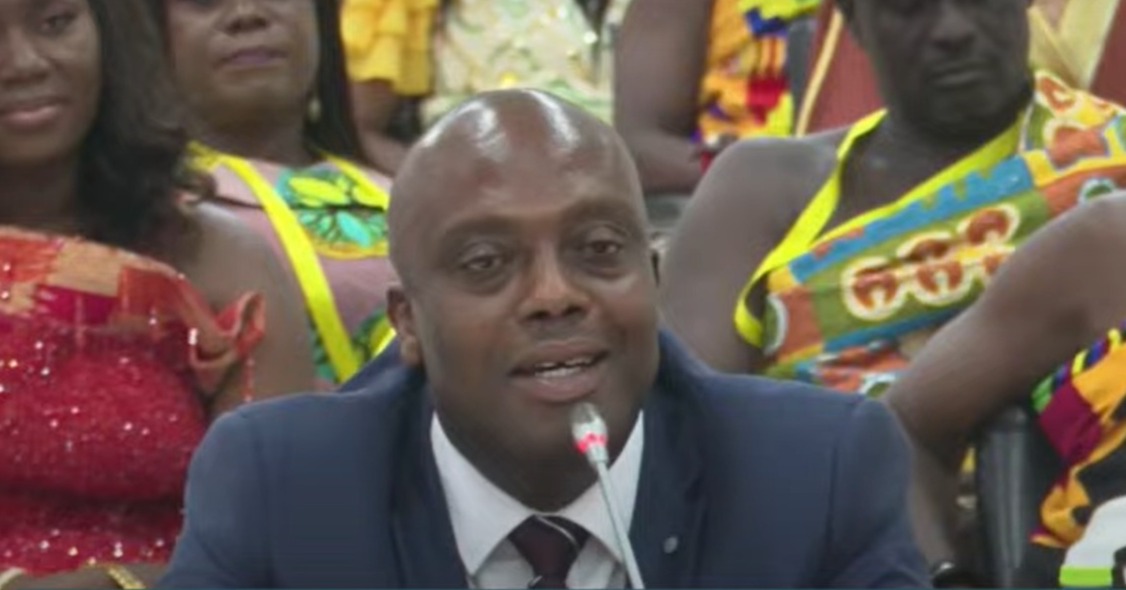
Speaking at the launch of the World Bank’s ninth Ghana Economic Update in Accra on 14 August, Deputy Finance Minister Thomas Nyarko Ampem said the budget would reflect a realignment of national priorities to meet the country’s labour market challenges.
“The upcoming 2026 budget statement and economic policy provides an immediate window to influence decisions, especially those relating to real sector issues such as labour and employment. The 2026 budget will focus on jobs,” he said.
The event, held under the theme “Addressing Labour Market Challenges and Opportunities in Ghana’s Economic Landscape”, highlighted the country’s ongoing struggle with youth unemployment and informal sector underemployment.
According to Mr Nyarko Ampem, the Ministry of Finance has already begun restructuring to reflect these new priorities. “We have repositioned the Ministry to leverage key insights to achieve a balanced focus on the economy with the creation of the Real Sector Division,” he said. He added that a new Research Division would also ensure policies are grounded in evidence.
As part of broader economic recovery efforts, the government is rolling out several targeted employment and skills development initiatives, including the National Apprenticeship Programme, Adwumawura, and the One Million Coders programme.
“These interventions are designed to build a skilled workforce and create dignified employment opportunities,” Mr Nyarko Ampem said, adding that around GH¢564.4 million will be invested in these programmes in 2025.
The government also plans to allocate GH¢410 million through the National Entrepreneurship and Innovation Programme to support youth innovation and startups.
In addition, Mr Nyarko Ampem pointed to key infrastructure and productivity programmes such as the Big Push, Agriculture for Economic Transformation, and the 24-Hour Economy Programme as vehicles for indirect job creation across sectors.
The announcement aligns with the World Bank’s recommendations for Ghana to place labour reforms and private sector engagement at the centre of its economic recovery strategy.
BY COFFIE MAWUEDEM NOEL