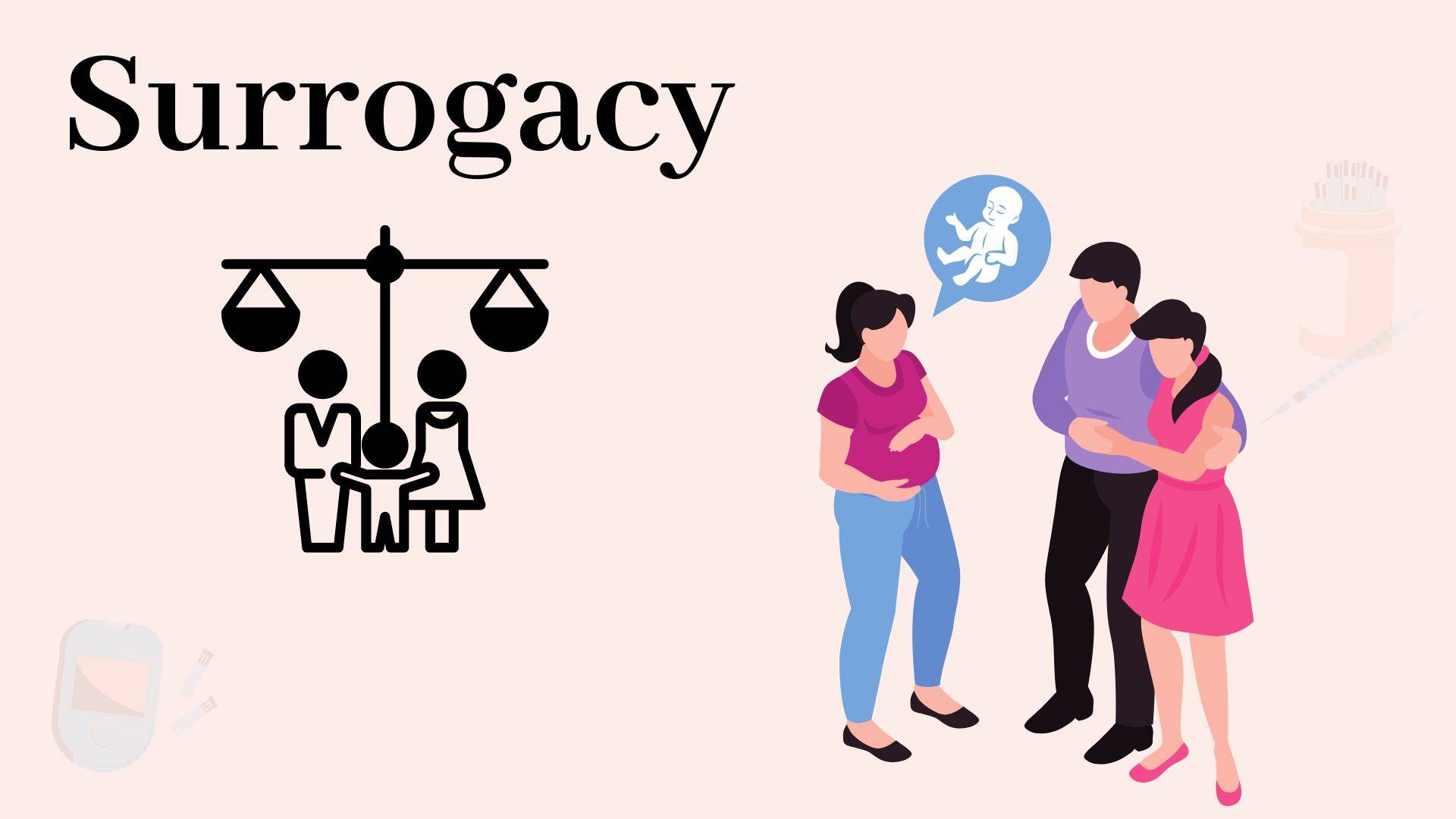

Lawyers, medical experts, and advocates are intensifying calls for Ghana to pass comprehensive legislation on surrogacy, warning that the absence of a clear legal framework could expose vulnerable women and hopeful parents to exploitation, abuse, and legal battles.
Christian Lebrecht Malm-Hesse, a legal practitioner, has urged the Ministry of Health to accelerate efforts toward drafting and passing a surrogacy law. He has cautioned that without proper regulation, the growing practice risks being misused.
“If care is not taken, people, particularly women, will become victims of being used and abused. We need to control this now before people begin to take advantage of it,” he said.
Surrogacy is increasingly becoming an option for couples struggling with infertility in Ghana. The process involves a woman carrying and delivering a child for intended parents who are unable to conceive. While common in several countries, surrogacy in Ghana remains largely unregulated.
In the absence of local laws, fertility specialists often rely on international guidelines and best practices. Typically, a surrogate is expected to be between the ages of 20 and 30, must have already given birth, and must be of sound mental health. In most jurisdictions, the process requires a detailed legal agreement binding both the surrogate and the intended parents.
However, without enforceable local laws, such contracts in Ghana often hold little legal weight. This leaves both surrogates and intended parents exposed—raising concerns about disputes over custody, financial obligations, and even the welfare of children born through these arrangements.
The demand for surrogacy services is gradually expanding in Ghana, alongside other assisted reproductive options such as sperm and egg donation. Fertility clinics report a steady rise in inquiries, driven by couples battling infertility and others who may have medical or personal reasons for exploring non-traditional paths to parenthood.
Experts warn that without a legal framework, the growing industry could become fertile ground for exploitation. Vulnerable women, especially those facing financial hardship, may be coerced into becoming surrogates under unfair conditions.
On the other hand, intended parents risk losing parental rights or facing disputes if clear laws are not in place to recognize their claims.
Globally, countries take different approaches to surrogacy. Some, like the United Kingdom and South Africa, allow regulated surrogacy with strict guidelines to protect all parties. Others, like France and Germany, prohibit it entirely. Ghana currently falls in between—neither formally prohibiting nor adequately regulating the practice, leaving it in a legal grey area.
Health and legal experts argue that Ghana must learn from these international experiences to craft a system that balances cultural, ethical, and medical considerations while protecting the interests of both surrogates and intended parents.
Advocates say the passage of a comprehensive surrogacy law could be a “game changer” for infertility treatment in Ghana, providing couples with ethical and secure options for starting families.
More importantly, it would ensure the protection of women who agree to become surrogates and the children born through such arrangements.
“As demand for assisted reproductive technologies continues to grow, Ghana cannot afford to delay in establishing clear, enforceable, and comprehensive laws,” Malm-Hesse stressed.
Stakeholders believe that timely legislation will not only regulate surrogacy but also build trust in the wider field of assisted reproductive health—giving hope to thousands of families across the country.
I don’t believe suspects should be subjected to public commentaries by A-G – Malm-Hesse