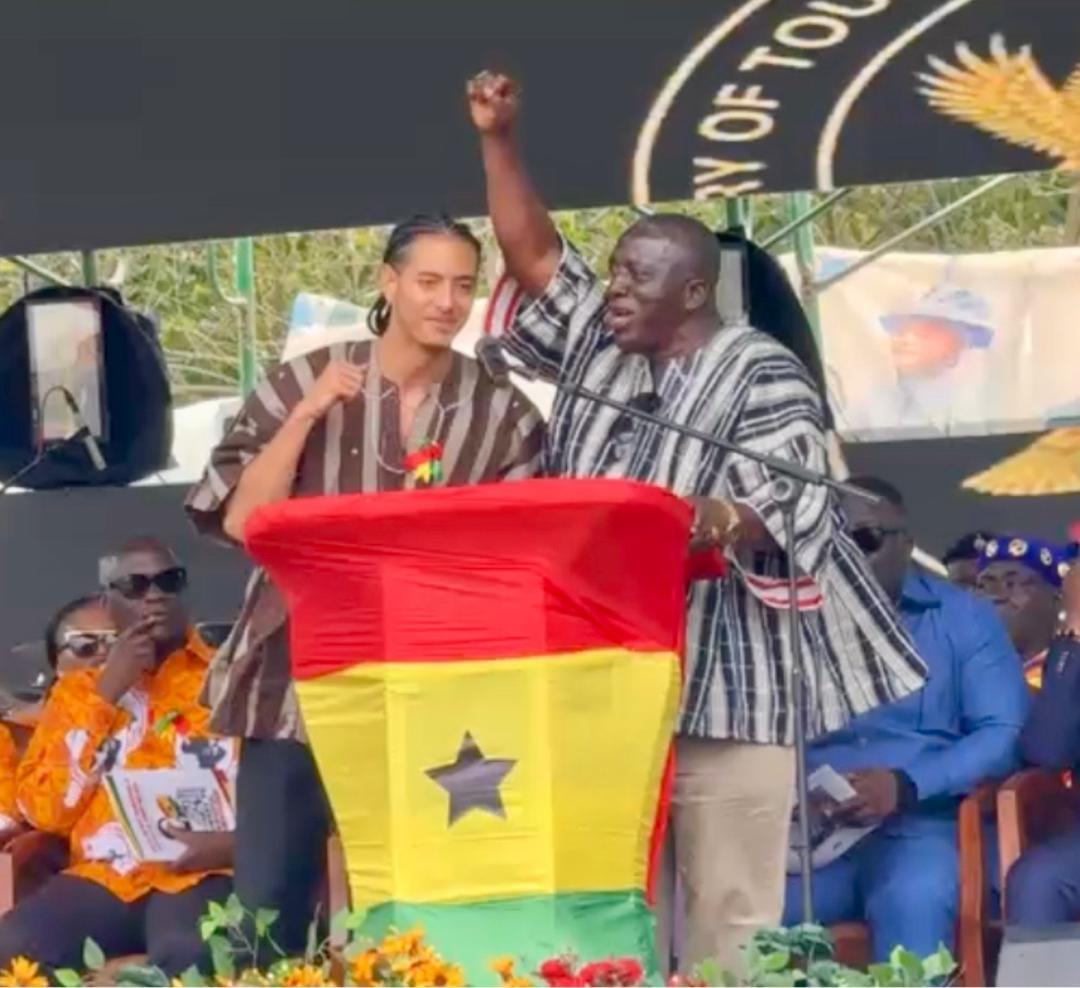

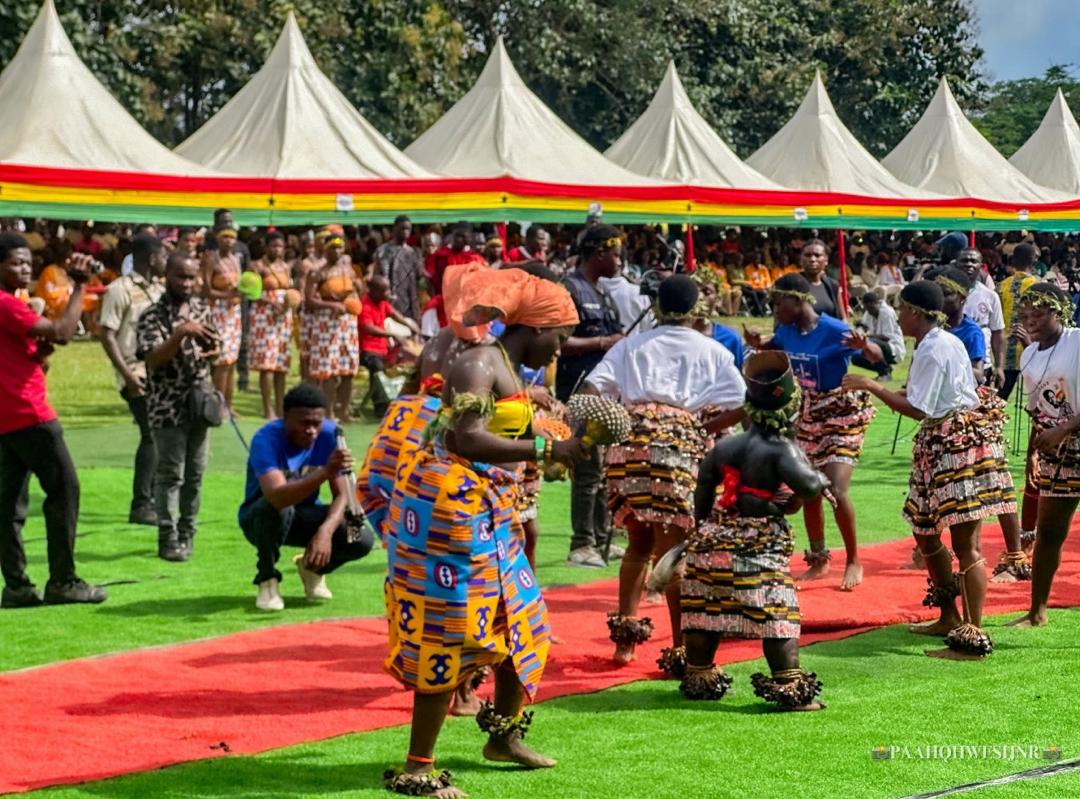
Amidst the wreaths, flowery and revolutionary speeches, and nostalgic hymns to Ghana’s first President, during this year’s Nkrumahfest, a deeper call to move beyond ritualised remembrance and embed Nkrumah’s philosophy into the nation’s very fabric was made.
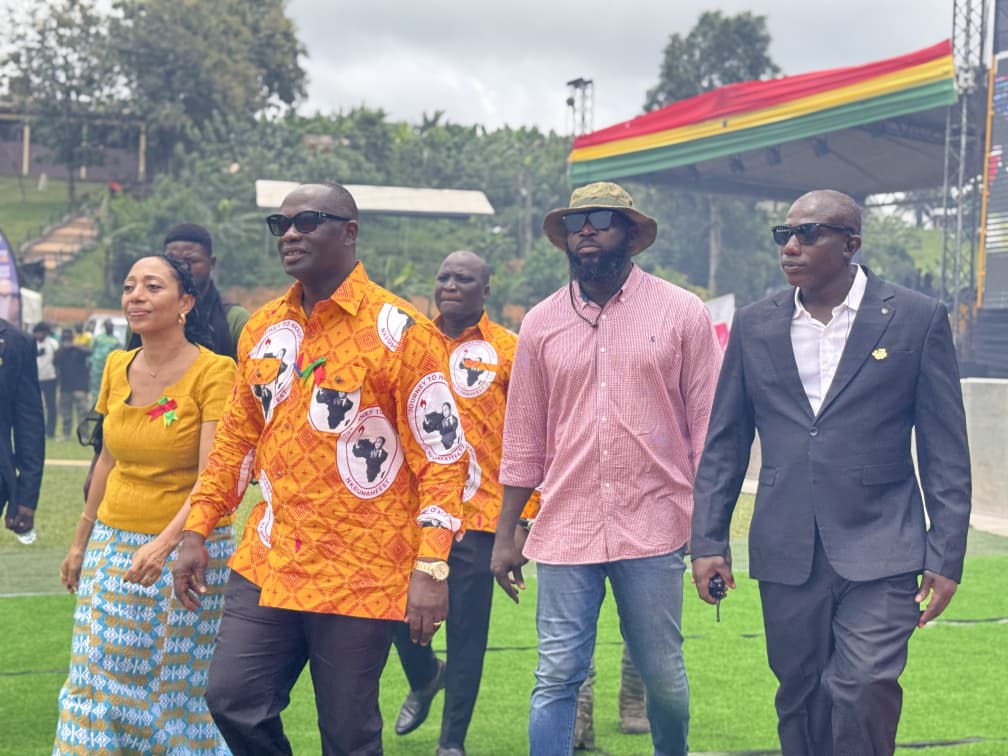
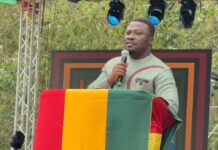
The paramount chief of Essikado traditional area, Nana Kobina Nketsiah V, has advocated that Nkrumah’s ideals should be woven directly into the national curriculum.
For him, instilling Nkrumah’s worldview in the youth is not simply about history, but about shaping a citizenry capable of confronting today’s challenges with the same courage and conviction that defined Ghana’s struggle for independence.
“When such an opportunity is given to the younger generation to imbibe this state of being, there is a strong affirmation and awareness that will make them grow into selfless, committed, and patriotic citizens,” Nan a Nketsiah told the gathering. “We cannot develop and be free if our hands are tied by our oppressors. Nkrumah came to fight oppression.”
The paramount chief’s position serves as a reminder of Nkrumah’s own conviction, expressed in Consciencism and in countless speeches, that the future of Africa depended not only on political independence but on nurturing a “new African personality” — one that was fearless, selfless, and resistant to domination in all its forms.
Nana Nketsiah V linked Nkrumah’s philosophy to a pressing moral crisis in contemporary public life. In his view, the courage to speak the truth, even when inconvenient, is what sustains a nation’s integrity. He invoked Nkrumah’s own words, often quoted but rarely practised: Africa’s need for “a new type of citizen, dedicated, modest, honest and informed… a man who abhors greed and detests vanity.”
The Paramount Chief reminded his audience that Nkrumah left office without personal wealth, a contrast, he suggested, to the conduct of some public officials today. His appeal was clear: Nkrumah’s anti-corruption ethic is not a relic of the past but a template for present governance.
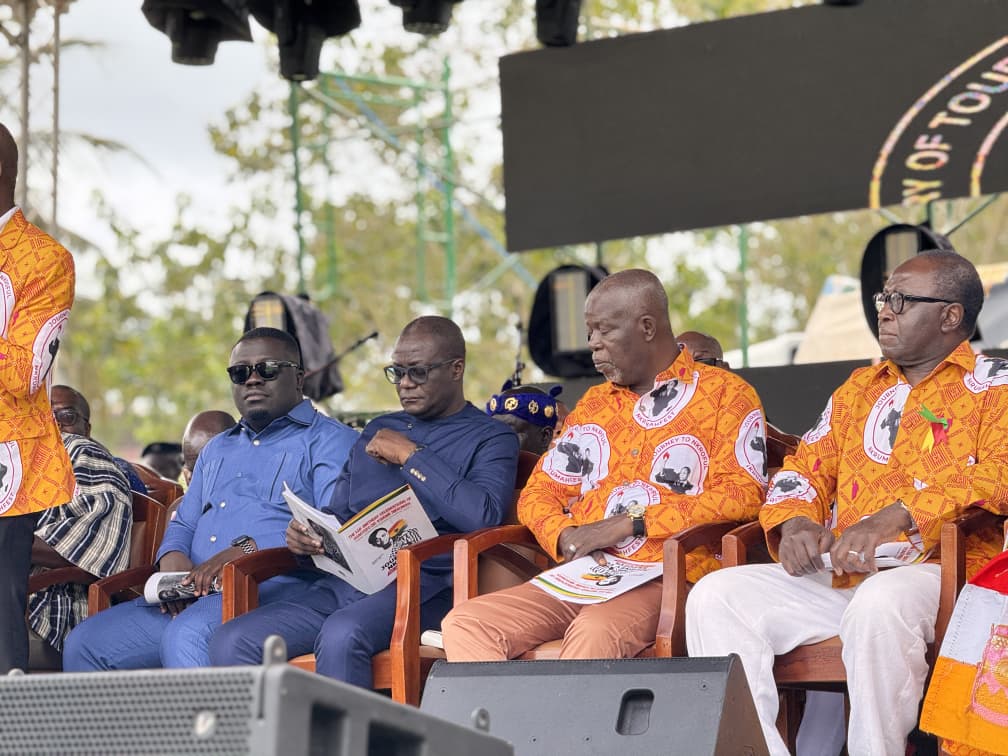
For Richard Kojo Ellimah, a lifelong Nkrumahist and native of Kikam, the issue goes beyond memory. He cautioned that Nkrumah’s immortalisation risks being reduced to an annual rite — a festival of speeches, tributes and nostalgia that fades as quickly as it is staged.
“Each year we gather for Nkrumah. We hear the usual speech recitals, and then we return to our normal lives. So what’s next after this programme?” he asked. “Are we going to carry on with our normal life, or live the thoughts and ideals of Osagyefo?”
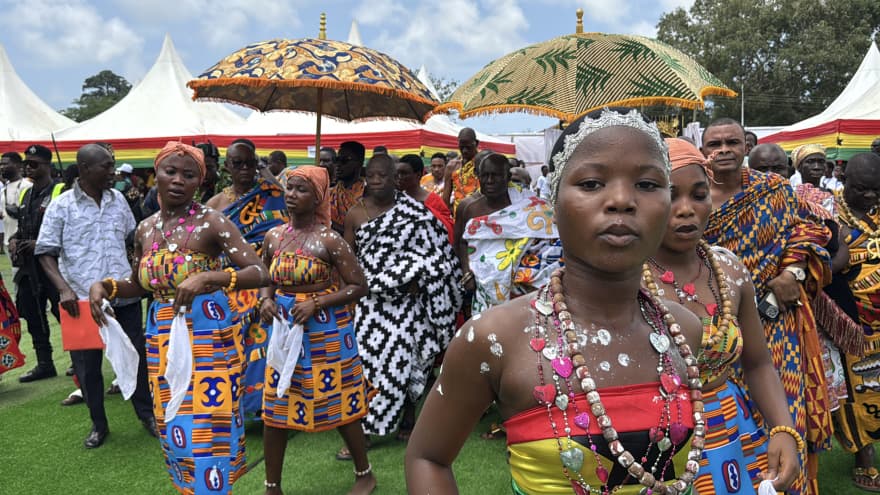
His challenge reflects Nkrumah’s own warnings about symbolism, without substance. For the man who championed industrialisation, pan-African unity, and education as the bedrock of liberation, true remembrance lies not in ceremony but in action: in policies that free economies from dependence, in schools that instil critical thought, and in leaders who see politics as service, not self-enrichment.
More than six decades after independence, Nkrumah’s name still carries weight in Ghana and across Africa. Streets and monuments bear his likeness; his speeches continue to echo in university halls. But the real test of legacy is whether a society embodies its ideals.
Eric Yaw Adjei