
The Fair Wages and Salaries Commission (FWSC) has intensified calls for a major shift in Ghana’s public sector wage negotiations.
The Commission has urged Organised Labour to place productivity at the heart of future salary discussions as the country battles economic uncertainty and declining confidence in public service delivery.
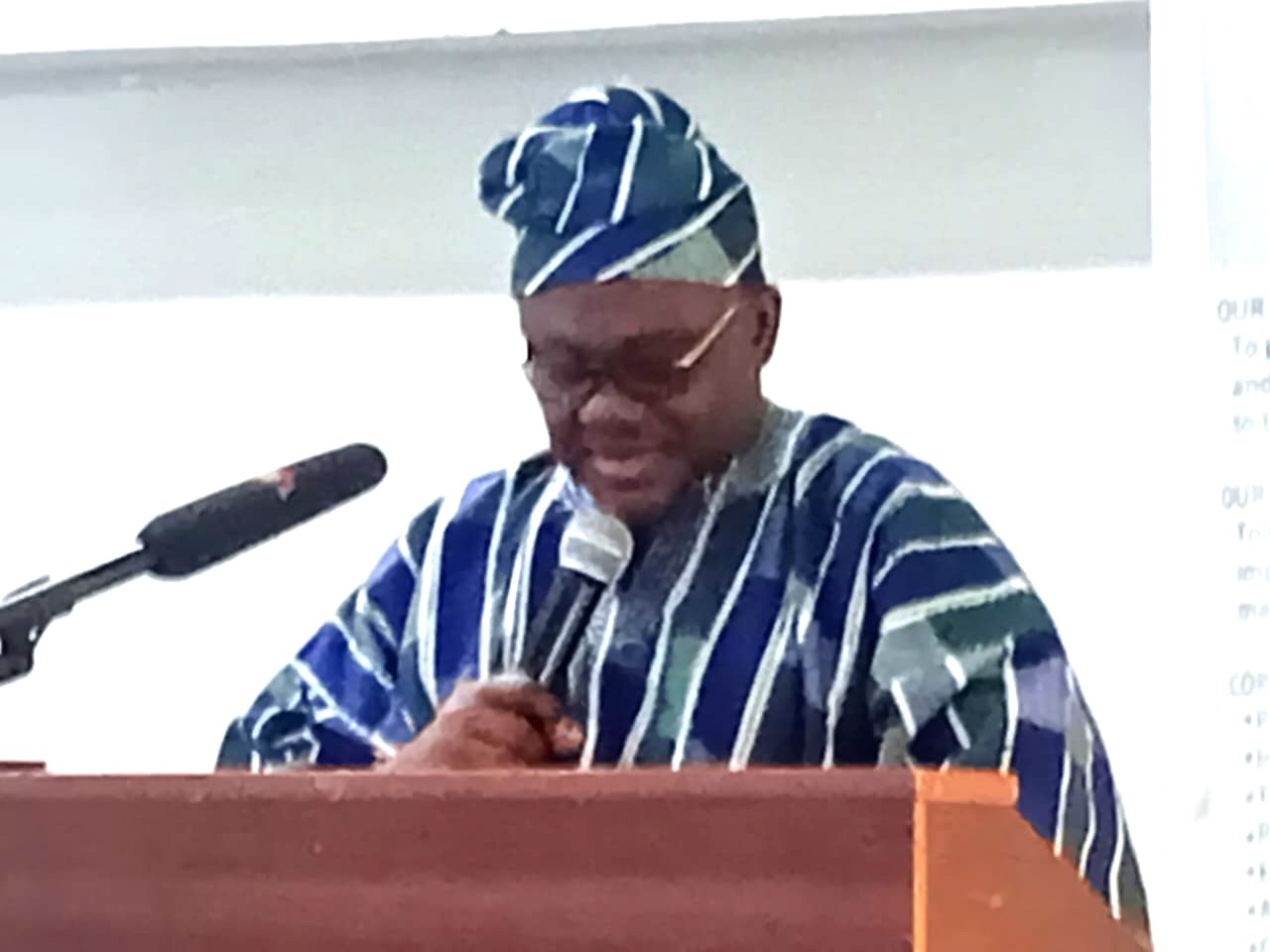
At a symposium organised by the Management Development and Productivity Institute in Accra, Chief Executive of the Fair Wages and Salaries Commission, Dr. Smith Graham, warned that the nation could no longer sustain a system where demands for higher wages are not matched by improved performance and efficiency.
His comments come at a time when rising living costs, labour agitations, and concerns about inefficiency in the public sector continue to dominate national discourse.
Since the implementation of the Single Spine Pay Policy in 2010, labour experts and government officials have consistently advocated stronger productivity measures within the public service.
Yet, years later, concerns over poor work attitudes, weak accountability, absenteeism, and ineffective time management continue to frustrate many Ghanaians who depend on public institutions for essential services.
Critics argue that while many public sector workers receive allowances and periodic salary adjustments, the quality and speed of service delivery have not improved significantly.
Speaking passionately at the event, Dr. Smith Graham said Ghana must begin building institutions that reward performance rather than bureaucracy.
“Organised labour must engage in productivity-oriented negotiations. Public sector leadership must move away from excessive bureaucracies that slow down work and undermine national development. We must gradually move to build responsive institutions,” he stated.
The Fair Wages Commission had earlier begun discussions with Organised Labour on linking pay directly to productivity — a proposal both parties reportedly accepted in principle. However, according to the Commission, progress has stalled due to weak commitment and implementation challenges.
Despite this, Dr. Graham insists the policy direction remains critical to Ghana’s future economic stability and public sector transformation.
“As the Chief Executive Officer of Fair Wages, permit me to say one of the critical discussions for national development is linking pay to productivity. Sustainable compensation systems and linking pay to productivity is not to punish workers,” he emphasized.
He explained that the goal is not to deny workers fair wages, but to create a balanced system where improved output leads to better compensation, accountability, and national growth.
Minister for Labour, Jobs and Employment, Dr. Rashid Pelpuo, also underscored the importance of productivity in reviving Ghana’s struggling economy, stressing that national development depends heavily on efficient and effective public sector performance.
Director-General of the Management and Productivity Development Institute, Professor Elijah Yendaw, echoed similar sentiments, describing productivity as a powerful tool capable of reshaping Ghana’s economic fortunes and strengthening national development.
The symposium brought together labour leaders, policymakers, public servants, and development experts to discuss strategies aimed at improving efficiency, accountability, and performance within the public sector.
As wage negotiations loom in the coming months, the debate over pay and productivity is expected to remain a critical national conversation — one that could shape the future of Ghana’s labour relations and economic recovery.