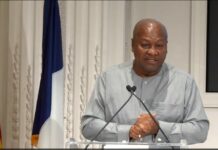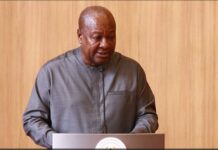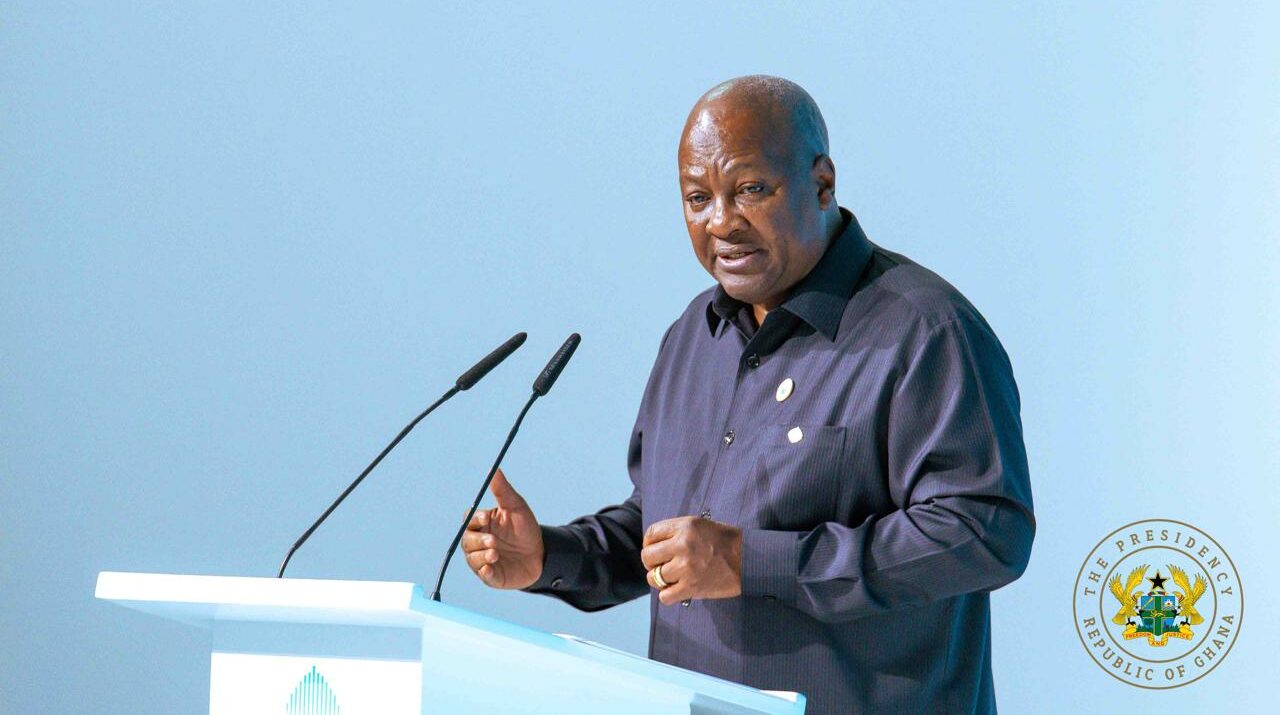

President John Dramani Mahama has called for a renewed global alliances to be more effective, inclusive, and responsive to the demands of today’s transnational challenges.
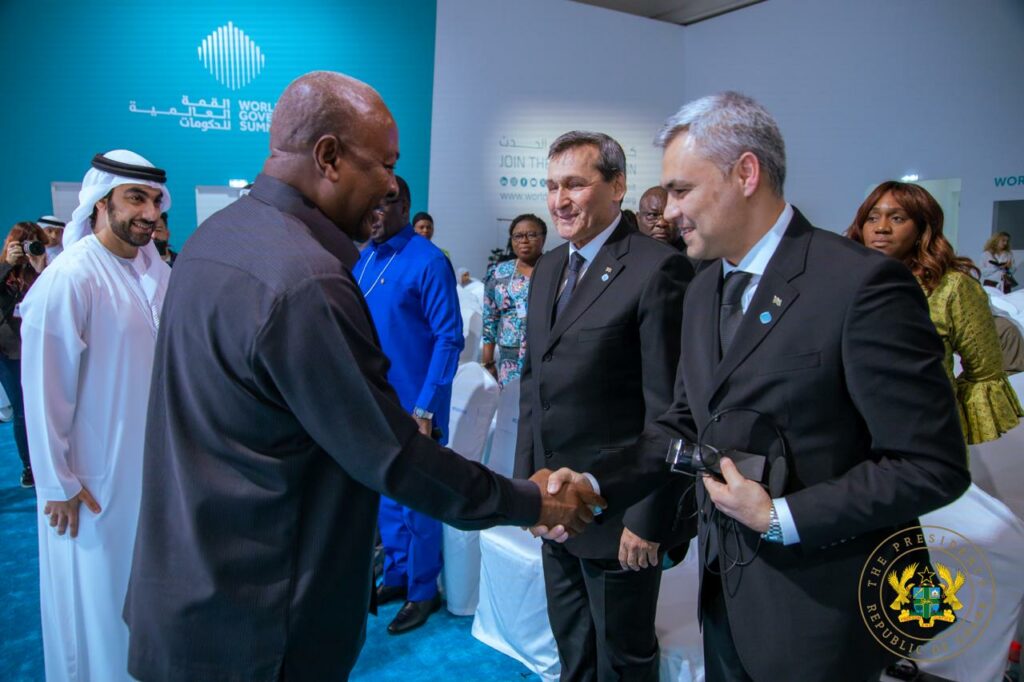
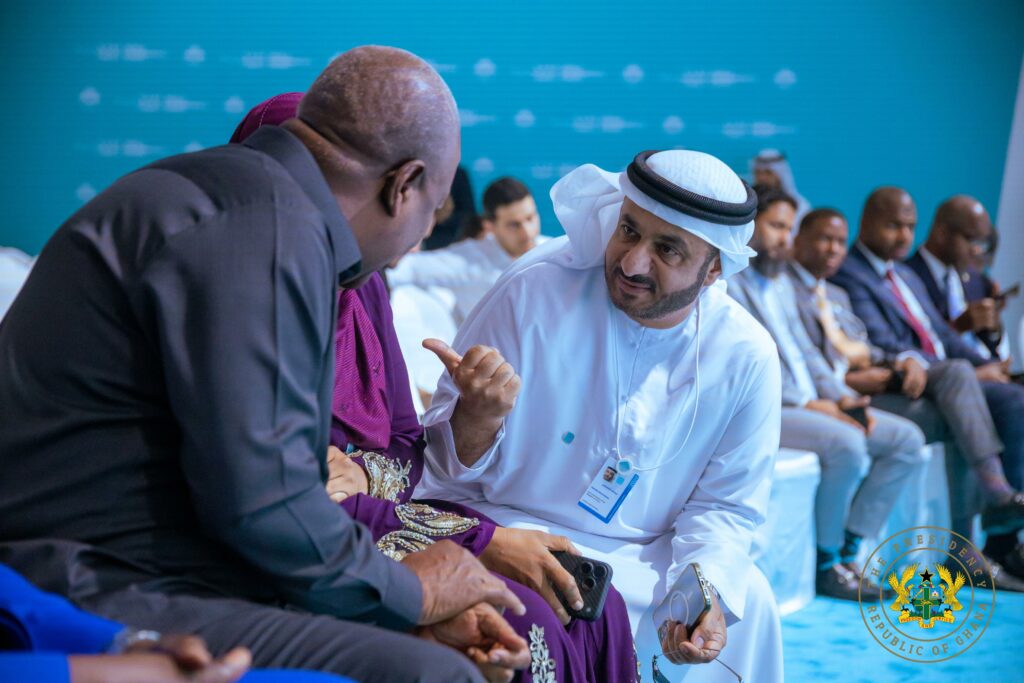
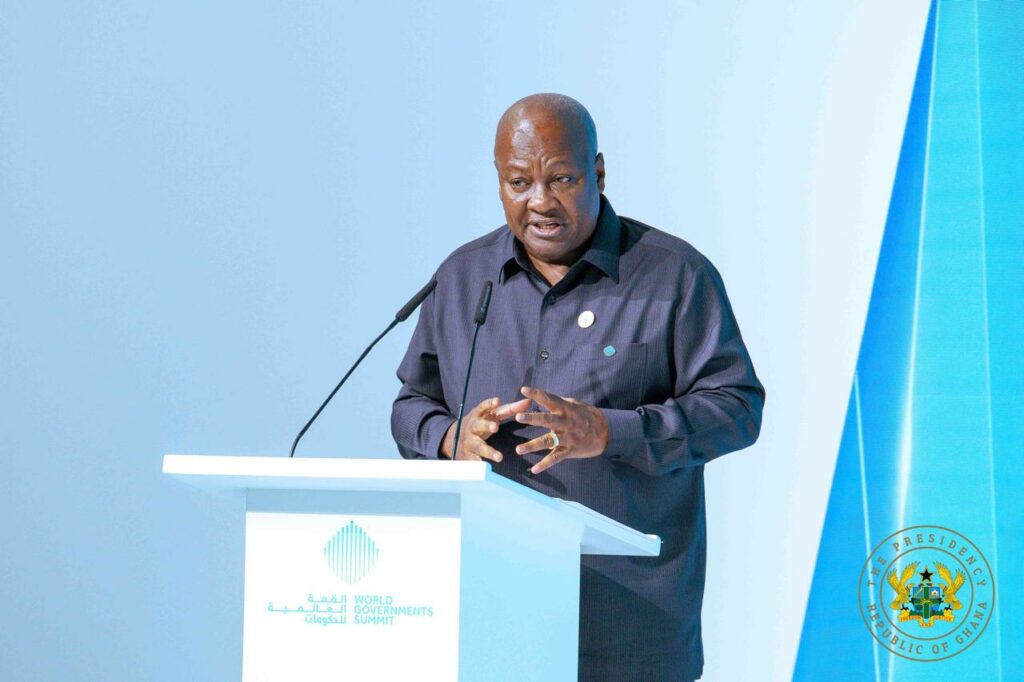
Delivering an address at the World Governments Summit 2026 in Dubai, which is being held from February 3 to 5 under the theme “The Future of Global Alliances,” President Mahama said the world has reached a crucial moment where rivalries can no longer address complex global threats.
He noted that challenges such as climate change, food and energy insecurity, terrorism, technological disruption, fragile supply chains, and widening inequality transcend borders and require collective action rather than unilateral solutions.
“The alliances of the future must be rooted in shared responsibility and our common destiny,” the President stated, stressing that cooperation is no longer optional but important in the evolving global order.
“The partnerships of tomorrow must extend beyond traditional diplomacy. They must become alliances of solidarity, anchored in mutual respect, shared aspirations, and collective advancement,” President Mahama said.
President Mahama underscored Africa’s central role in shaping future global partnerships, describing the continent as a source of solutions and opportunities not merely a space of competition.
He highlighted Africa’s youthful population, vast natural resources, and growing market of 1.3 billion people as key drivers of twenty-first-century global economy.
He called for partnerships that promote value addition, industrialisation, renewable energy, digital transformation, and human capital development, while insisting that Africa must have a meaningful seat at the table in reshaping global governance structures.
“Africa welcomes global partners not merely to trade with, but to transform with through investments that builds industries, strengthens supply chains, and creates shared opportunity.
“Africa deserves a seat at the table in the reshaping of a new global order,” President Mahama remarked.
Referencing Ghana’s development agenda, President Mahama said initiatives such as the Accra Reset aim to shift Africa from aid dependency to trade, investment, and equitable global partnerships.
He also pointed to Ghana’s establishment of the Goldbod, which he said has generated over US$10 billion in less than a year, as part of efforts to enhance national control over natural resources.
“New alliances with Africa must aim at adding value to Africa’s natural resources. They must aim at granting Africa greater sovereignty and control of its natural resources. That is why in Ghana we have established the Goldbod that has yielded more than $10 billion in less than a year.
“Our medium to long term goal is to process and add value to our mineral ores and agricultural products; gold manganese, bauxite, lithium, petroleum, cocoa, oil palm, cashew, fruits, soya, cassava and other raw materials,” Mahama noted.
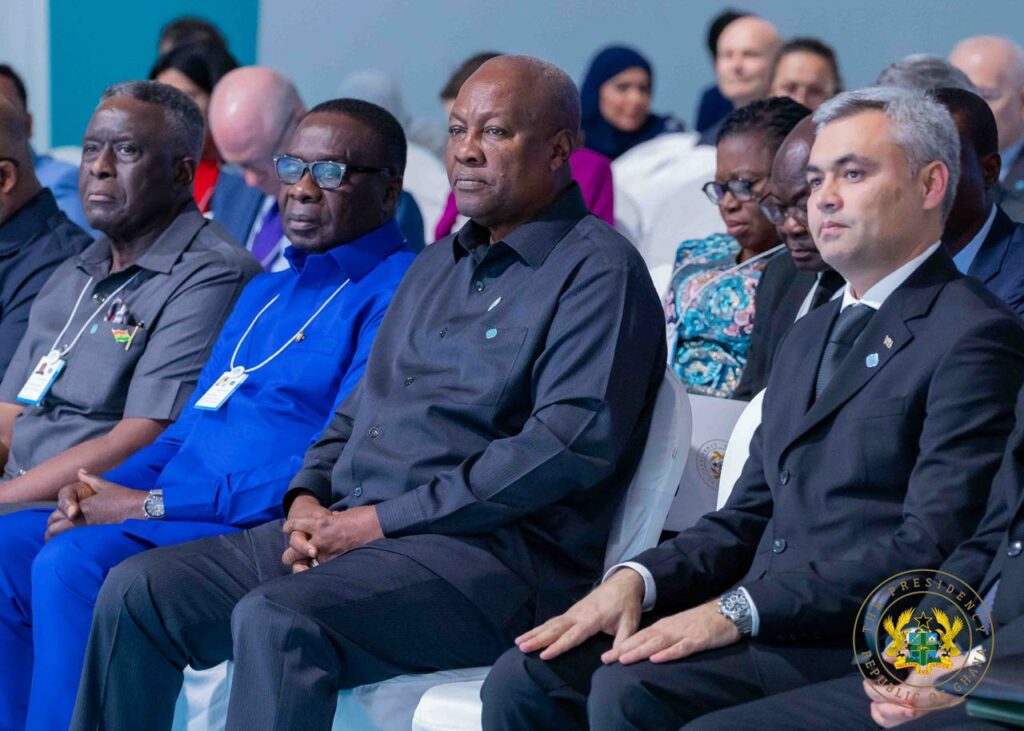
On regional security, the President reaffirmed Ghana’s commitment to peace and stability in West Africa through ECOWAS, citing a recent High-Level Consultative Conference on Regional Cooperation and Security convened by Ghana to address terrorism and instability in the Sahel.
President Mahama further called for ethical governance of artificial intelligence and digital systems, warning against a future where technological innovation deepens global inequality.
He also stressed the need for climate justice, noting that Africa contributes least to global emissions yet suffers the most from climate impacts.
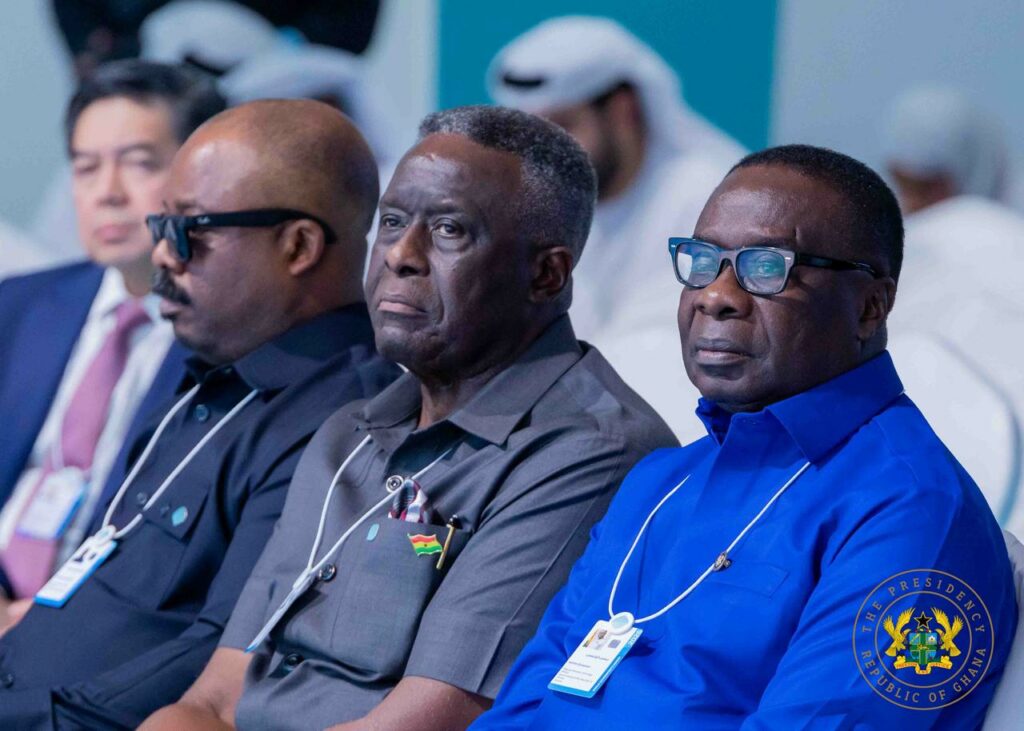
He cited the Ghana-UAE partnership, which includes a US$30 million climate grant, as a model for future-oriented global cooperation.
Concluding his address, President Mahama reaffirmed Ghana’s commitment to multilateralism, dialogue, and rules-based global governance, urging nations to build alliances that prioritise shared progress over rivalry.