
As disaster landscapes evolve, the North East Regional Minister, Ibrahim Tia has called for a systemic overhaul of emergency response frameworks, demanding that disability inclusion moves from an aspiration to a non-negotiable operational standard.
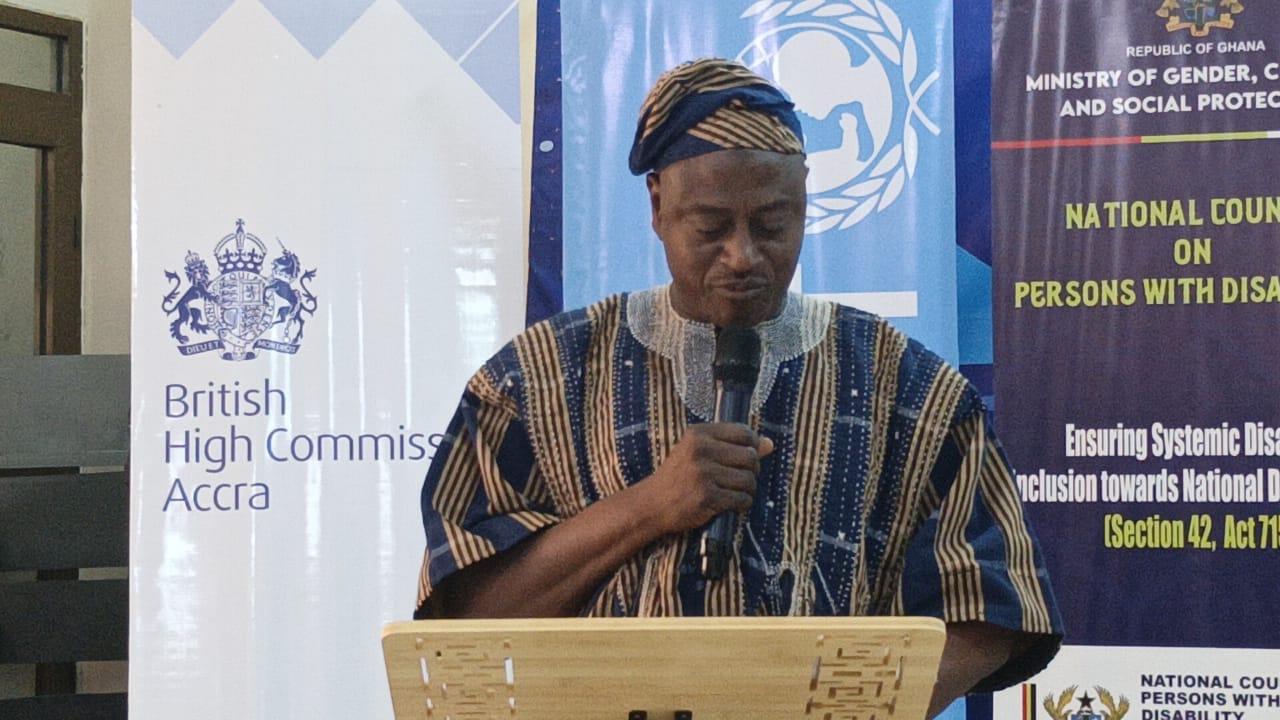
Speaking at a regional sensitization workshop, the Minister joined national stakeholders in advocating for a paradigm shift that prioritizes the dignity and safety of persons with disabilities in all disaster management cycles.
Disaster Risk Management (DRM) has historically struggled to address the unique requirements of persons with disabilities. When emergency systems are not designed with universal accessibility in mind, the result is a disproportionate impact on these individuals during evacuations, relief distribution, and recovery efforts.
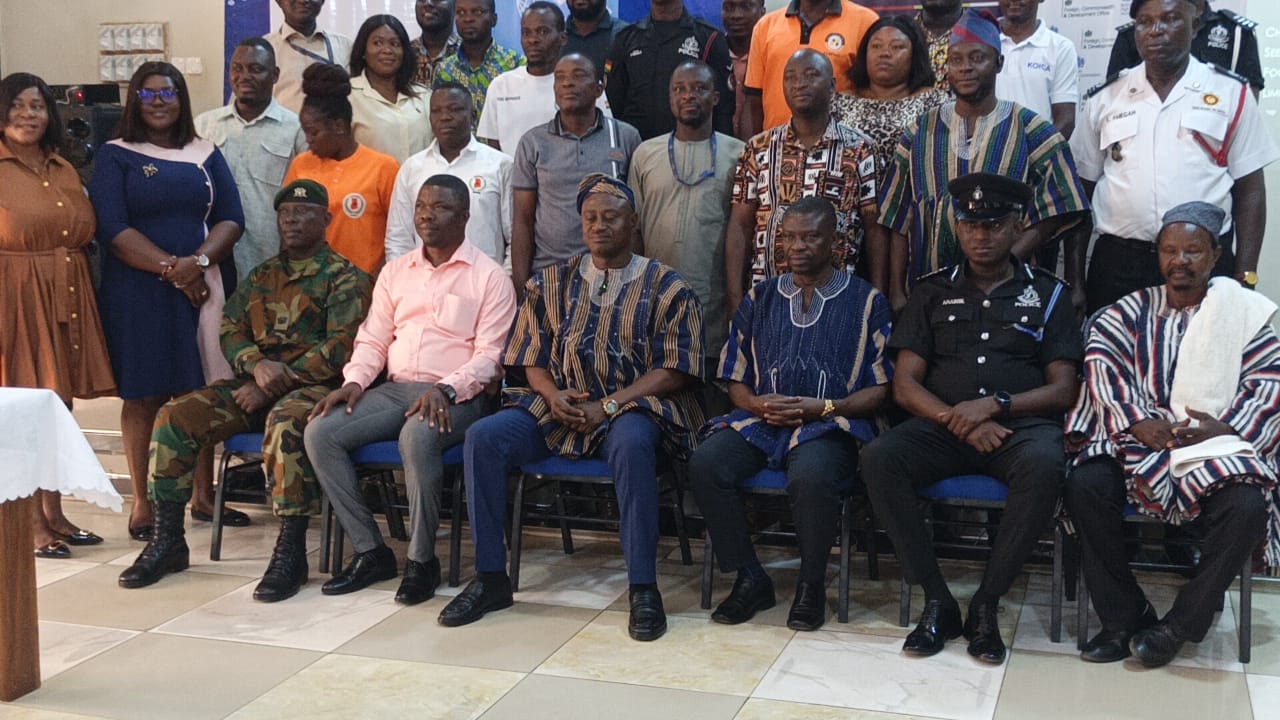
Recognizing this, the National Council on Persons with Disability and NADMO have rolled out new guidelines to ensure that disaster preparedness is built on the foundation of equity, aiming to bridge the gap between policy and practice in the North East Region.
In his address to the Regional Disaster Management Committee, the North East Regional Minister, Ibrahim Tia, emphasized that the development of Disability Inclusive Disaster Risk Management guidelines is a critical step in strengthening the nation’s humanitarian framework.
He noted that while disasters affect all segments of society, the impact is rarely uniform. “It is our duty as leaders and stakeholders to ensure that our systems, policies and interventions are responsive to the diverse needs of our people,” he stated, reaffirming his office’s commitment to building a region where every individual is protected regardless of ability.
The discourse extended beyond policy into the realm of social perception. The Acting National Coordinator for National Council on Persons with Disability, Joshua Addy urged the public to abandon the tendency to focus on disability as a limitation.
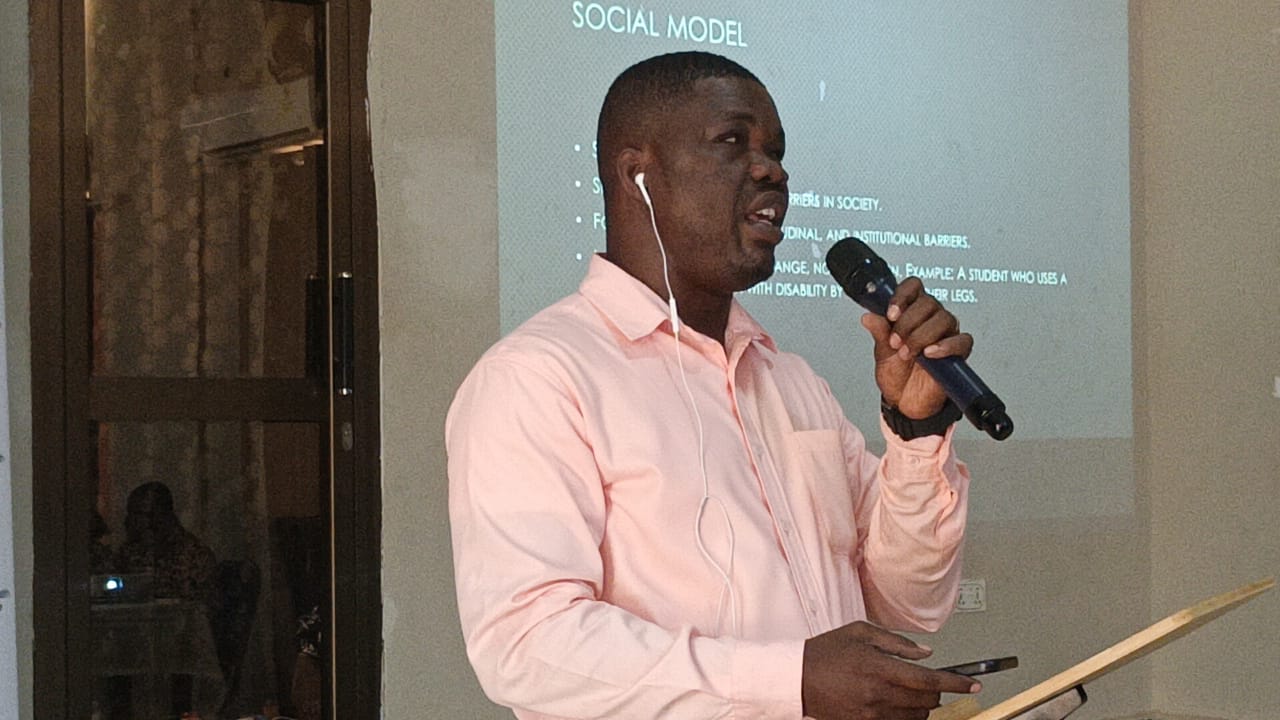
Instead, he called for a shift in perspective, one that recognizes the inherent capabilities of persons with disabilities. He emphasized that widespread public sensitization is essential to help society understand the systemic barriers and daily realities faced by person’s with disability, noting that true inclusion begins with a change in mindset.
Providing a regional update, the North East Regional NADMO Director Rabiu Bandade, highlighted a positive trend in 2025, noting a decrease in disaster occurrences.

Specifically, the region’s management of the Bagre Dam spillage showed marked improvement compared to previous years, a success he attributed to better coordination.
However, he cautioned that success should not lead to complacency. He stressed that ongoing education remains the most effective tool to ensure that citizens are fully prepared to act decisively before, during, and after any disaster.