
Ghana’s constitutional reform debate is gathering pace, with former Chief Justice Sophia Akuffo calling for changes to strengthen democracy, curb excessive executive power and make government more accountable.
She said empowering Parliament and the judiciary would provide stronger checks on the Executive, while making the governance system more responsive to Ghana’s long-term interests.
The debate follows renewed scrutiny of the Prempeh Committee Report and government’s position on its recommendations.
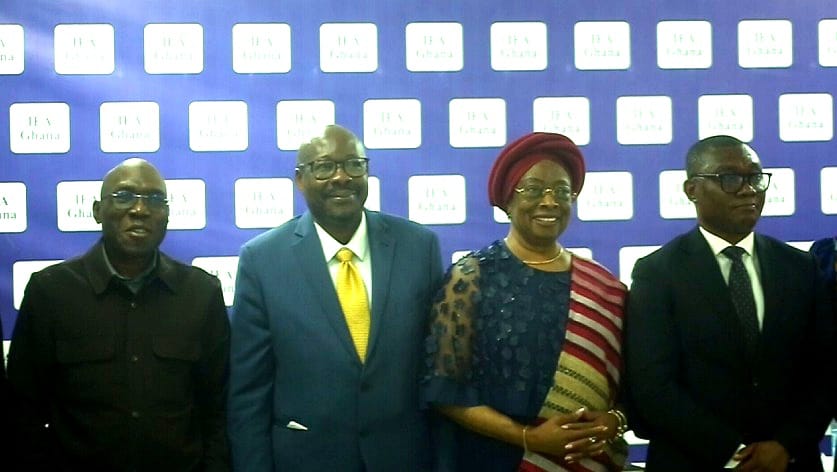
Speaking at the Institute of Economic Affairs’ Views and Reflections platform seminar on Wednesday, September 23, 2026, Justice Sophia Akuffo cautioned against rushing the reform process.
She called for a broad, consultative and nationally owned process, with sufficient time to assess the implications of each proposed change.
“The 1992 Constitution has made significant contribution to democratic stability and its achievements should be preserved. The experience of more than three decades provides substantial evidence that where the constitutional framework has worked effectively and where it has generated weaknesses, these must be addressed dispassionately.”
Legal practitioner Victor Anku-Tsede also urged caution, arguing that not every governance challenge requires a constitutional amendment.
He says the focus should be on preserving provisions that work while addressing weaknesses that undermine the exercise of public power.
“The fact that we have identified many problems does not mean that every problem requires a constitutional amendment… We are not merely changing words. We are changing the rules under which public power is exercised. We are changing relationships between institutions. We may be changing the rights and obligations of citizens and, in some cases, we may be changing the legal consequences of government’s action for generations to come.”
Former Lands and Natural Resources Minister Inusah Fuseini, meanwhile, wants Ghana to retain the four-year presidential term.
He is also calling for a review of Article 78(1), which requires presidential nominees for ministerial positions to secure parliamentary approval.
According to him, the provision has not achieved its intended purpose and should be amended.
“I simply think that that experiment of Article 78(1) was a bad experiment. I think Article 78(1) should be amended. We took the provision of the 1979 Constitution and the provision from the 1969 Constitution and brought it into Article 78(1). That’s what we did and succeeded in confusing Parliament.”
Former Deputy Lands Minister George Mireku Duker, however, questioned the rationale behind the proposed reforms.
He says Ghanaians must first establish whether the changes are intended to fundamentally improve governance before proceeding with amendments.
“It’s critical for us to observe that a committee that has been set up by a government could slate 147 recommendations and government takes only 22 out of those recommendations. Isn’t it worrying? We have to know what we are doing, what we intend doing, understand it and not necessarily have the Constitution being crafted. Let’s amend our conscience as a country. Let’s amend our attitude, and that is critical. Until that, let’s forget about amendments.”