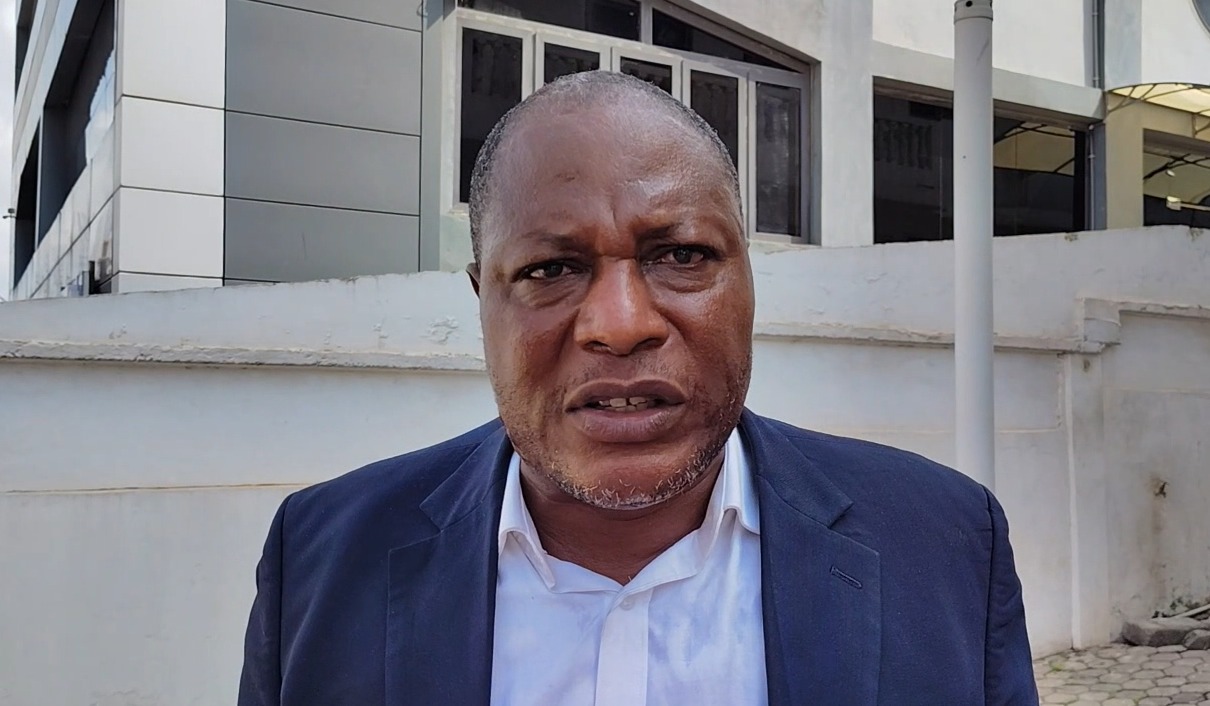

The Communications Director for the Responsible Cooperative Mining and Skills Development Programme (rCOMSDEP), John Afful, has announced that over 200 new cooperatives will be launched by the end of February 2026.
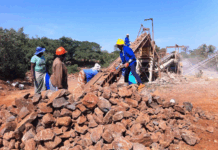
These cooperatives will subsequently be granted the necessary licenses and permits to undertake small-scale mining in their respective communities, in line with regulations prescribed by the Ministry of Lands and Natural Resources.
Speaking exclusively to Orokodo Kasaebo on Connect 97.1 FM in Takoradi on the progress made by rCOMSDEP, Mr. Afful noted that significant improvement in river water quality has been observed due to the responsible mining techniques adopted by small-scale miners.
He added, however, that a major ongoing challenge has been the lack of mineable concessions for these groups.
“They need concessions to mine. So, what we did was to engage some mining companies like Adamus, Newmont in Ahafo, AngloGold Ashanti in Obuasi, and others to secure these miners concessions under the cooperative mining scheme,” he stated on February 2.
He remarked that the success of the Anwia and Teleku Bokazo Responsible Cooperative Mining Society Limited in the Ellembelle District presents a compelling case for expanding the program to other parts of the country. This expansion, he added, will create hundreds of jobs for the youth in mining communities.
“By the end of February, we expect to launch about 200 more cooperative small-scale mining groups, and this will create more jobs in these mining communities. We are preparing them for training in responsible mining at the University of Mines and Technology (UMaT) in Tarkwa,” Mr. Afful noted.
Afful was critical of the previous government’s National Alternative Employment and Livelihood Programme (NAELP), stating that it failed to empower youth in illegal mining communities.
“The previous government failed to empower the youth in its National Alternative Employment and Livelihood Programme in illegal mining communities. The community mining program they introduced never benefited the indigenes. All the proceeds went to party apparatchiks,” he said.
Under the new and enhanced program, Mr. Afful explained that a profit-sharing formula allocates 5 percent to the host community to support local development.
“With this arrangement, there will be something to show for the minerals that are extracted from the community,” he emphasized.