
Authorities at the Sekondi-Takoradi Metropolitan Assembly (STMA) are expressing concern over growing challenges in managing the Western Region’s only landfill site at Sofokrom, citing financial constraints, poor access roads, and waste collection difficulties as major setback to effective waste management.
As part of the solution, the Assembly is seeking €54 million from the C40 Cities Financial Facility to build a biodigester and recycling plant.
The 68.38 acre Sofokrom landfill is the Western Region’s only dumping site, taking in waste from Shama, Ahanta West, and nearby districts.

However, managing the site is draining the Sekondi-Takoradi Metropolitan Assembly, as it cost averagely GHC900,000 every month.
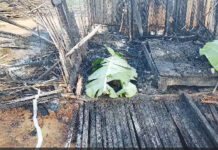
The situation worsened with the breakdown of the Assembly’s only waste truck, while poor road conditions during the rainy season make waste collection almost impossible triggering a surge in indiscriminate dumping.

In a bid to reverse the trend, the Assembly is seeking €54 million from the C40 Cities Financial Facility to build a biodigester and recycling plant.
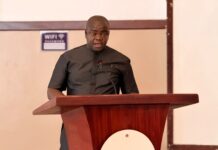
Mayor For STMA Fredrick Faidoo addressing a team from C40 Cities Financial Facility reveal the intervention forms part of effort in modernizing waste management and reducing Greenhouse gas emission in the metropolis.

“The landfill currently lacks a gas collection system, resulting in uncontrolled greenhouse gas emissions. Methane and carbon dioxide from decomposing waste are significant contributors to the city’s carbon footprint, which stands at 225,000 metric tonnes of CO₂ equivalent,” the Mayor said.

He further explain that “the proposed facility will provide a holistic solution combining anaerobic biodigestion of organic waste to produce biogas, while also recycling plastics and metals to reduce environmental impact and create value from waste.”
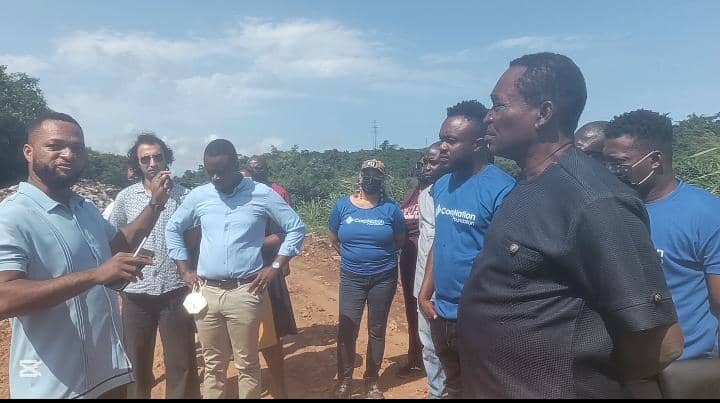
Validation officers from the C40 Cities Finance after touring the landfill describes the proposal by STMA as forward looking.

Mr. Abraham Afful, C40’s National Coordinator, described the proposal as forward-looking.
However, he expressed concern over the current methods of waste separation at source, highlighting the unhygienic practices involved.
He emphasized the project’s potential to significantly cut costs, generate jobs, and shift the city away from landfill reliance toward a circular waste economy built on sorting, composting, and recycling.
The funding, when secured, could transform waste management in the Western Region turning a growing environmental challenge into a model for sustainable urban development.