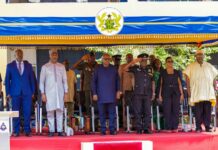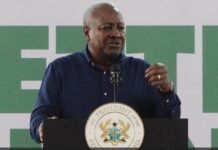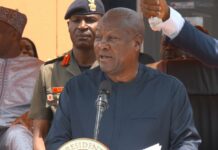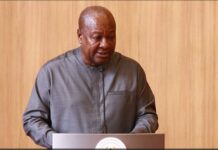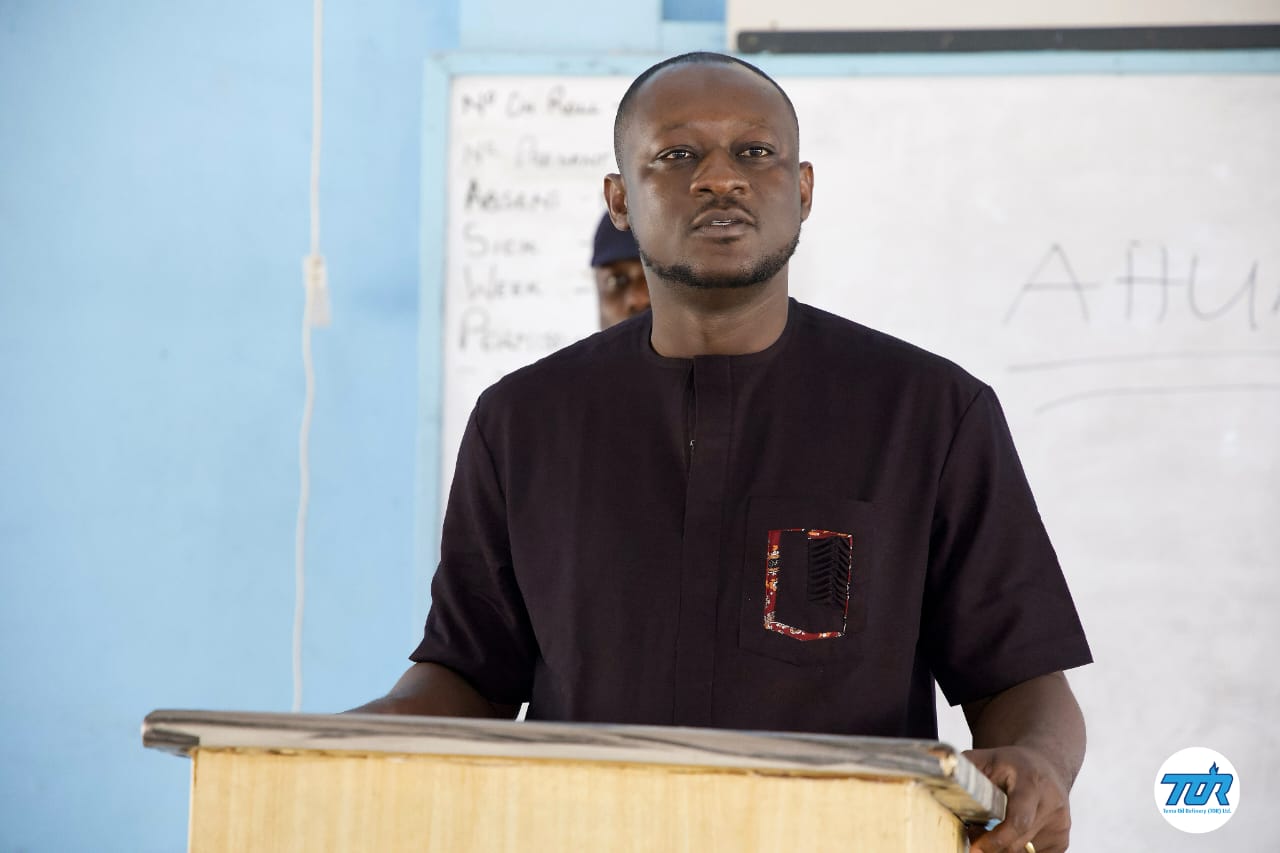

Thought Leader and Chair of the African Society Initiative, Edmond Kombat, has thrown fresh weight behind President John Dramani Mahama’s push for reparative justice on the global stage, following renewed momentum at the United Nations.
Writing in response to Mahama’s recent advocacy, and a closely watched vote at the UN that saw overwhelming support for advancing discussions on reparatory justice and historical accountability, Kombat argues that the global debate has reached a redefining stage.
According to him, the issue is no longer about proving historical wrongs, but confronting the growing reluctance to correct them.
A strengthened global mandate
At the UN, member states moved to adopt a resolution calling for intensified dialogue on reparations, acknowledgment of historical injustices linked to slavery and colonialism, and the exploration of concrete frameworks for redress.
While the resolution stopped short of mandating binding reparations, it signaled a significant shift, placing the issue firmly on the agenda of multilateral diplomacy.
Several African and Caribbean states voted in favour, aligning with longstanding positions championed by blocs such as the African Union and CARICOM.
However, a number of Western nations either abstained or expressed reservations, citing legal complexities and potential financial implications.
For Kombat, that split underscores the very tension at the heart of the debate.
“A crime with an afterlife”
At the core of the Managing Director of the Tema Oil Refinery’s argument is a forceful defence of Mahama’s claim that the transatlantic slave trade remains the gravest crime in human history.
He grounds this not only in the scale, over 12.5 million Africans forcibly transported, but in what he describes as its enduring “afterlife”: a system of inequality that continues to shape global power, wealth distribution, and race relations.
For Kombat, slavery did not end in the 19th century; it evolved.
“It was legal, it was global, and it was profitable,” his argument suggests, pointing to how enslaved labour financed industries, institutions, and economies that still dominate today.
Beyond comparison, toward responsibility
While acknowledging atrocities such as the Holocaust, Kombat cautions against flattening historical comparisons.
His position is clear: slavery’s uniqueness lies in its duration, its economic centrality, and its deliberate construction of a global racial hierarchy.
That system, he argues, continues to shape disparities between Africa and the developed world, making reparations not just symbolic, but structurally necessary.
What action should look like
Kombat rejects the idea that reparations are limited to financial compensation. Instead, he outlines a broader framework aligned with Mahama’s position, including:
•formal acknowledgements and apologies from beneficiary states
•debt relief for affected nations
•restitution of stolen artefacts
•sustained development partnerships
Without these, he warns, calls for justice risk becoming “performative rather than transformative.”
Building pressure, testing resolve
The article highlights growing coordination among African and Caribbean nations, particularly through the African Union and CARICOM, as momentum builds around a unified reparations agenda.
Yet, Kombat is clear-eyed about the resistance ahead. The outcome of the latest UN vote, he notes, reflects a cautious global consensus supportive in principle, but hesitant in execution.
Former colonial powers continue to tread carefully, balancing moral acknowledgment with concerns over legal liability and financial exposure.
A moment that demands a decision
For Kombat, this is what makes the present moment decisive.
The historical facts are established. The moral argument is widely acknowledged. The diplomatic groundwork is being laid.
What remains unresolved is whether those with the power to act will do so.
He frames it not as a policy dilemma, but as a defining test of global conscience.
“The question is no longer whether reparations are justified,” he concludes. “The question is whether the world is prepared to act.”