
Police officers from three Districts in the Upper West Region have begun a five-day intensive training programme in community policing aimed at strengthening relations between law enforcement and local communities.
The exercise, organised by the Ghana Police Service in collaboration with the Coastal States Stability Mechanism (CSSM), is being held in Wa. It brings together 90 officers drawn from Wa West, Sissala West and Lambussie districts.
The training, which will be conducted in three cohorts, is designed to enhance policing skills, deepen community engagement and equip officers with strategies to prevent and manage local conflicts.
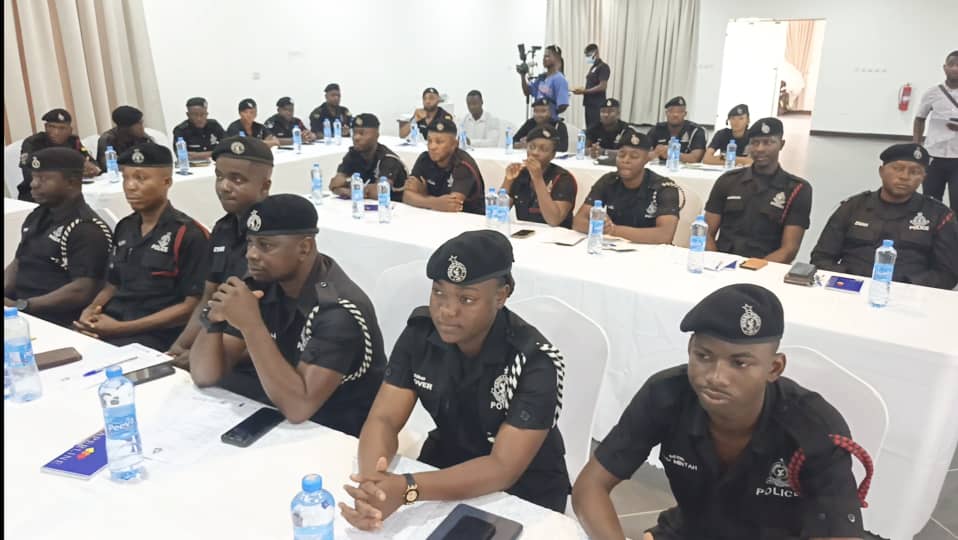
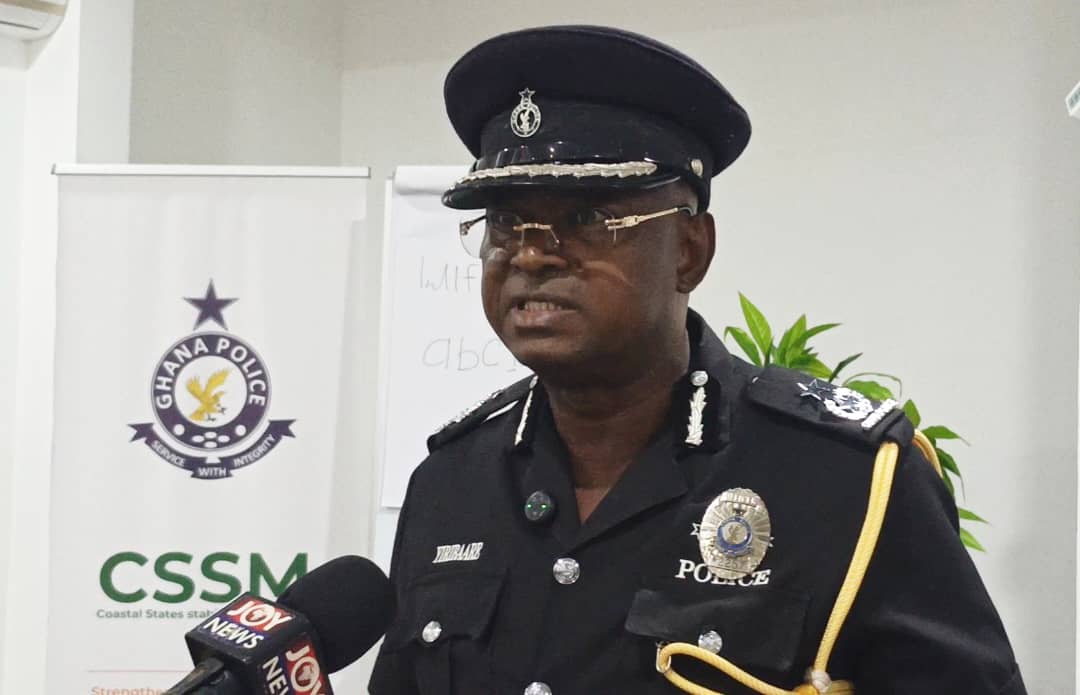
DCOP. Francis Yiribaare, Upper West Regional Police Commander, while addressing participants at the opening ceremony, described the initiative as both timely and strategic.
He stressed that modern policing must go beyond crime control to building trust and collaboration with communities.
“Effective policing is not only measured by crime statistics but by the level of confidence the public has in the police,” he said.
Prince Jude Cobbina, Deputy Director-General of the National Patrol Department of the Ghana Police Service urged participants to take the training seriously and apply the knowledge gained to improve service delivery in their respective districts.
On his part, the Monitoring and Evaluation Officer for CSSM, Amos Nunifant, commended the Ghana Police Service for its leadership in implementing the programme.

Nunifant noted that the training forms part of broader efforts to strengthen police-community relations and build public trust.
Peter Kamasa, Deputy Regional Commander, and Seth Tay from the Kofi Annan International Peacekeeping Training Centre, were part of dignitaries who participated in the training.
The initiative is part of ongoing efforts to promote peace and security across the Upper West Region through strengthened community policing.
CSSM, which partners with governments and communities, is supported by Germany, the Netherlands and the United Kingdom, and implemented by the International Organization for Migration.
Through community-level interventions, the programme seeks to enhance security, improve access to basic services and support socio-economic development in areas at risk of conflict and violence.
By Ibrahim Abubakari Wangara