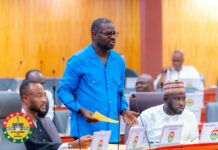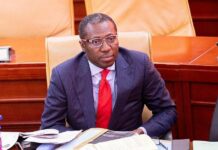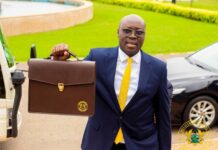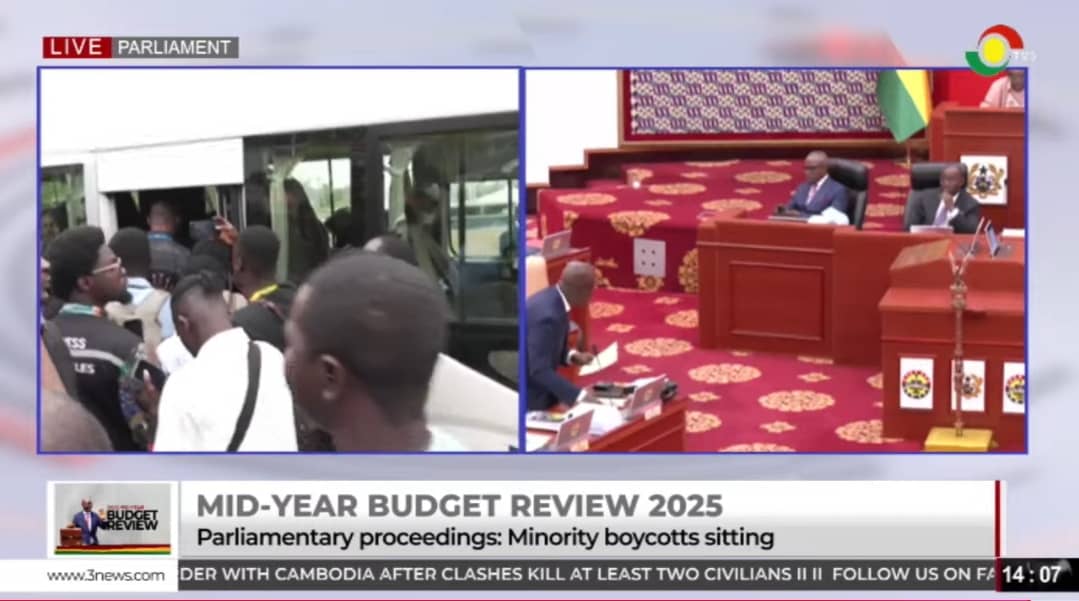

The Minority in Parliament has walked out of the Chamber ahead of the presentation of the 2025 Mid-Year Budget review by the Finance Minister, Dr. Cassiel Ato Baah Forson.
The caucus had earlier hinted that it would boycott the presentation. The Minority, who wanted to raise concerns about the violence that marred the Ablekuma North constituency election rerun, were prevented from doing so by the Speaker during parliamentary proceedings.
Speaker Bagbin advised dedicating the day to the budget review, noting that a separate day had already been allocated to discuss the violence issue.
After the Majority Chief Whip, Frank Annoh-Dompreh, was prevented from speaking, the Members displayed a placard condemning electoral violence and walked out.
The caucus, having earlier indicated their intention to present concerns to the President, headed to the Jubilee House after exiting the Chamber.
READ ALSO: Minority to petition Mahama on ‘issues of great public concern’ July 24
They are also scheduled to meet with the Coalition of Domestic Election Observers (CODEO) and other civil society organisations.
Although the specific grievances driving this action weren’t detailed, such Minority-led protests typically stem from disputes over government policy, procedural concerns, or unaddressed governance issues.
Parliamentary boycotts, while not unprecedented in Ghana’s Fourth Republic, are often employed by the Minority as a potent tool of protest.
They serve to deny legitimacy to government proceedings, particularly major policy statements like budget presentations, and to amplify their voice on issues they feel are not being adequately addressed within the regular parliamentary process.
Historically, Ghanaian parliaments have seen instances of Minority boycotts.
For example, during the NPP administration, the then-Minority NDC occasionally boycotted sessions over matters such as alleged human rights abuses or contentious loan agreements.
Similarly, the NPP Minority have walked out or boycotted sittings in the current administration, often protesting what they viewed as undemocratic practices or economic mismanagement.
Such actions can disrupt legislative business, though budget presentations, being constitutionally mandated, typically proceed regardless of the Minority’s presence.
However, a boycott effectively deprives the budget statement of the bipartisan scrutiny and debate that the parliamentary process is designed to foster.
It also sends a strong political message to the public and international observers about the state of parliamentary consensus and cooperation.
2025 Mid-Year Budget review: NDC gov’t has no achievement to take credit for – Oppong Nkrumah