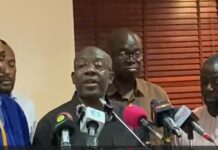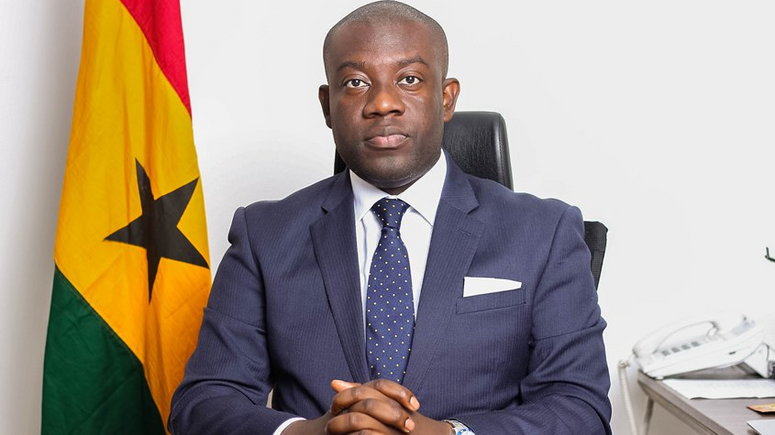

The Member of Parliament for Ofoase Ayirebi, Kojo Oppong Nkrumah, insists the economic gains made by the government are not due to any realistic policy implementations from its plan.
He says the government is only reaping the benefits of measures put in place by the previous administration, for which it is taking credit.
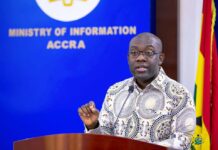
Ahead of the 2025 Mid-Year Budget review presentation by the Finance Minister, Dr. Cassiel Ato Baah Forson, Mr. Oppong Nkrumah said the administration has not achieved anything on its own to take credit for.
Speaking with TV3’s Parliamentary Correspondent, Christian Yalley, ahead of the review, he said the government cannot point out a single policy it has implemented to back up the much-touted achievements.
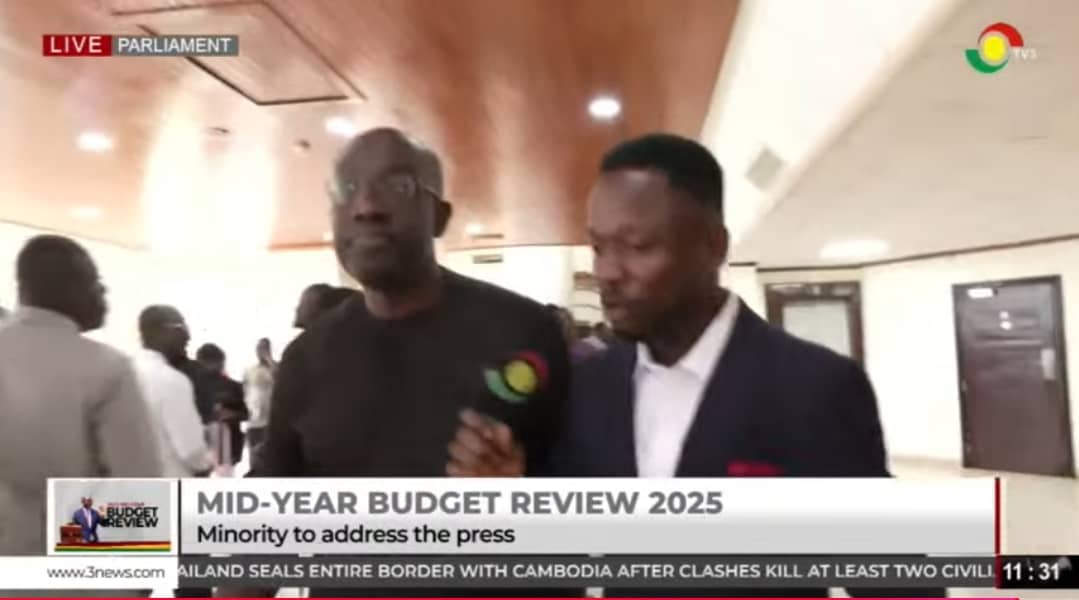
“You’ve got to go back to the government’s economic plan and ask yourself how much of that plan has been fulfilled, not things that have happened on the sides that you want to take credit for,” he stated.
With many anticipating what the upcoming budget review will offer the citizenry, quite a number of Ghanaians are expecting the government to at least maintain the trajectory it has taken after assuming office, if their expectations as recorded by OnuaNews
Finance analysts and economists are looking at whether the government will stick to its expenditure as espoused in the budget presented in March this year, or will be seeking extra budget to meet the economic and fiscal adjustments that have emerged since March.
On the whole, Ghana’s macroeconomy has seen significant improvements since this administration took over, with economic indices increasing the expectations of the public for a fiscal policy stance that promotes consolidation, investor confidence, and long-term price stability.
At the beginning of the year, inflation stood at 23.5 per cent but has dropped significantly to 13.7 per cent by the end of June 2025.
This has raised the expectations on the economy, with analysts projecting a possible single digit by close of the year, ahead the official target of 11.9 per cent.
Also, Ghana’s currency, the cedi, has seen significant stability, after recording a sharp recovery from about GH¢15 to the US dollar in January to around GH¢10.45 currently.
The cedi’s strong performance — having gained 42.6 per cent year-to-date against the US dollar — has been attributed to improved inflows from gold and cocoa exports, remittances, and renewed investor confidence.
Although some retailers have responded to the appreciation by reducing the prices of their wares, manufacturers on the other hand, are monitoring the stability within a 60-day pricing window agreed upon with key business associations.
On the fiscal side, the removal of the betting tax has been widely welcomed, but the newly introduced GH¢1 fuel levy has faced public backlash. Stakeholders are eager to learn whether the review will provide clarity on the duration of the levy or introduce a sunset clause.
Meanwhile, economic growth prospects appear promising.
Although the government initially projected GDP growth at 4.4 per cent for 2025, recent data from the Ghana Statistical Service shows a stronger-than-expected 5.3 percent growth in the first quarter alone — likely prompting an upward revision in the fiscal outlook.
Finance Minister to present mid-year budget amid 5.3% GDP growth