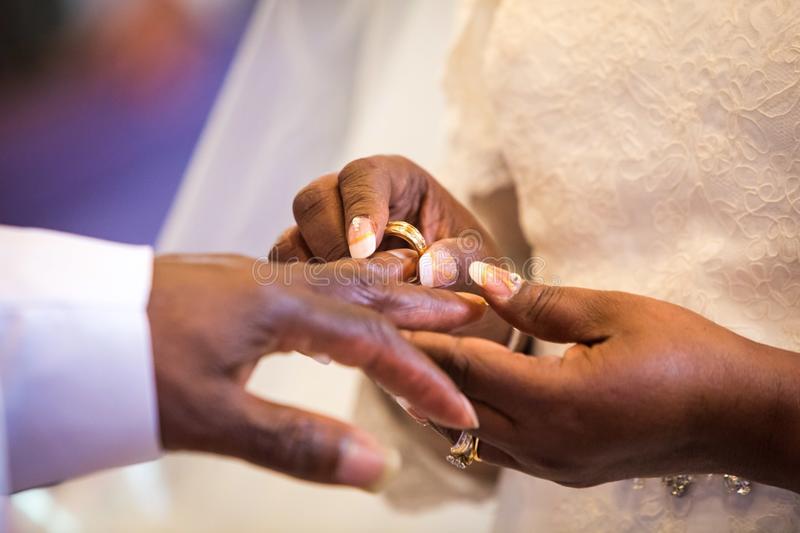

In our world today, one of the key drivers of marriage is the sex life of the couple involved.
Let’s be honest, intimacy goes beyond being a physical act; it’s a language of love, connection, and reassurance.
But what happens when that language suddenly becomes difficult to speak? What becomes of the pleasurable “ouuuuus” and “agghhhs” when the man is hit with the health disorder called erectile dysfunction?
Erectile dysfunction (ED) is a term no man ever wishes to use, not in conversation and not in confession. In fact, we wish never to experience it. Yet, the truth is that many men do.
Medically, erectile dysfunction, also known as impotence, is defined as the persistent difficulty in achieving or maintaining an erection firm enough for sexual activity.
It’s been reported that more than half of men between the ages of 40 and 70 experience some form of ED. According to the American Urological Association, the condition affects about 30 million men in the United States alone.
Some men may find they can only occasionally get an erection, lose it during intercourse, or require significant stimulation to maintain it, while others may not be able to get an erection at all.
ED can arise from problems within the circulatory, nervous, or endocrine systems, which control blood flow, nerve signals, and hormone balance.
Common causes include diabetes, high blood pressure, high cholesterol, vascular disease, chronic kidney disease, atherosclerosis, Peyronie’s disease, low testosterone, stroke, and epilepsy.
Injuries to the penis or pelvic area, surgeries involving the prostate, bladder, or colon, and radiation therapy can also contribute.
But beyond the medical jargon lies a deeper, more emotional truth. ED can crush a man’s confidence, sense of masculinity, and emotional well-being.
A married man dealing with erectile dysfunction may gradually pull away from his partner, avoiding intimacy altogether out of fear of failure or embarrassment.
The effects don’t stop there. Research shows that 87.6% of men with ED and 82.8% of their partners believe that sexual intimacy and open discussion about ED are crucial to maintaining a healthy relationship.
When intimacy fades, emotional distance creeps in. The affected man often battles shame, guilt, and frustration, while his partner may feel rejected, unattractive, or unwanted.
Over time, this can lead to mismatched sexual desire, reduced affection, and even a sexless marriage. The bedroom silence soon spills into everyday life, creating tension, resentment, and misunderstanding.
So, does this become the new normal for the affected couple? Or is there hope for a way forward, a way to navigate this potential home breaker?
Well, there is hope. There are several ways couples can deal with the presence of erectile dysfunction and even turn it into an avenue for deeper bonding rather than division.
First, communication is key. It may be awkward, but honesty builds understanding. Talk about how you both feel, not to assign blame but to find solutions together. Many couples who address ED openly find that emotional intimacy deepens even before the physical aspect improves.
Second, seek professional help early. Visit a doctor or urologist, not just for medication but also for proper diagnosis. ED can be a symptom of underlying health issues such as diabetes or heart disease, conditions that need attention. Sometimes, lifestyle changes like regular exercise, reducing alcohol intake, quitting smoking, or eating healthier can make a big difference.
Third, consider therapy, both medical and emotional. Sex therapy or counseling can help rebuild confidence and reframe how both partners see intimacy. Remember, intimacy isn’t limited to intercourse; it includes emotional connection, physical affection, and mutual reassurance.
Lastly, be patient and supportive. Healing takes time, both physically and emotionally. Both partners must choose empathy over frustration. When a man knows his partner stands by him, it reduces anxiety and restores hope.
So there you have it. Erectile dysfunction is not a death sentence to your marriage when it rears its head. It’s not the end of romance, and it doesn’t define your masculinity or your love life.
Instead, it can become an invitation for honesty, teamwork, and rediscovering other beautiful forms of intimacy that go beyond the physical.
Erectile dysfunction can be an uncomfortable topic to discuss with your doctor, your partner, or even your friends. But don’t assume you’re alone.
Millions of couples face this challenge and come out stronger. Involve your partner, communicate openly, and remember that ED is common, manageable, and most importantly, treatable.
So, the real question isn’t whether erectile dysfunction will break your marriage; it’s whether you’ll let silence and shame do it first.