
The Ghana National Council of Private Schools (GNACOPS) has announced a strategic shift in its focus for 2026, moving beyond sustainability towards scaling private education through data-driven reforms and structured learning pathways.
Addressing members in a New Year message, GNACOPS leadership said lessons from 2025 showed that while many sustainability initiatives succeeded, they were uneven, difficult to measure, and hard to replicate across the sector.
The Council stressed that impact which cannot be measured cannot be scaled, and innovation that cannot be replicated cannot transform the education system.
As a result, GNACOPS has adopted the 2026 theme, “Scaling Sustainable Private Education through Data and Pathways,” signaling what it describes as a more mature, system-wide approach to education reform.
The new direction prioritizes the generation of credible data to guide decision-making, the creation of multiple learning pathways aligned with labour market demands, and ensuring innovation is scalable, accountable, and consistent with national development priorities.
Reflecting on 2025, when GNACOPS focused on sustainability, the Council highlighted expanded scholarships, feeding programmes, teacher development, digital learning, and support for vulnerable learners, particularly in underserved communities.
These efforts, it said, demonstrated that well-governed private education can serve as a public good, but acknowledged that sustainability alone is no longer sufficient.
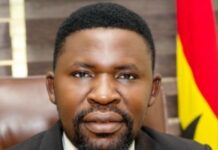
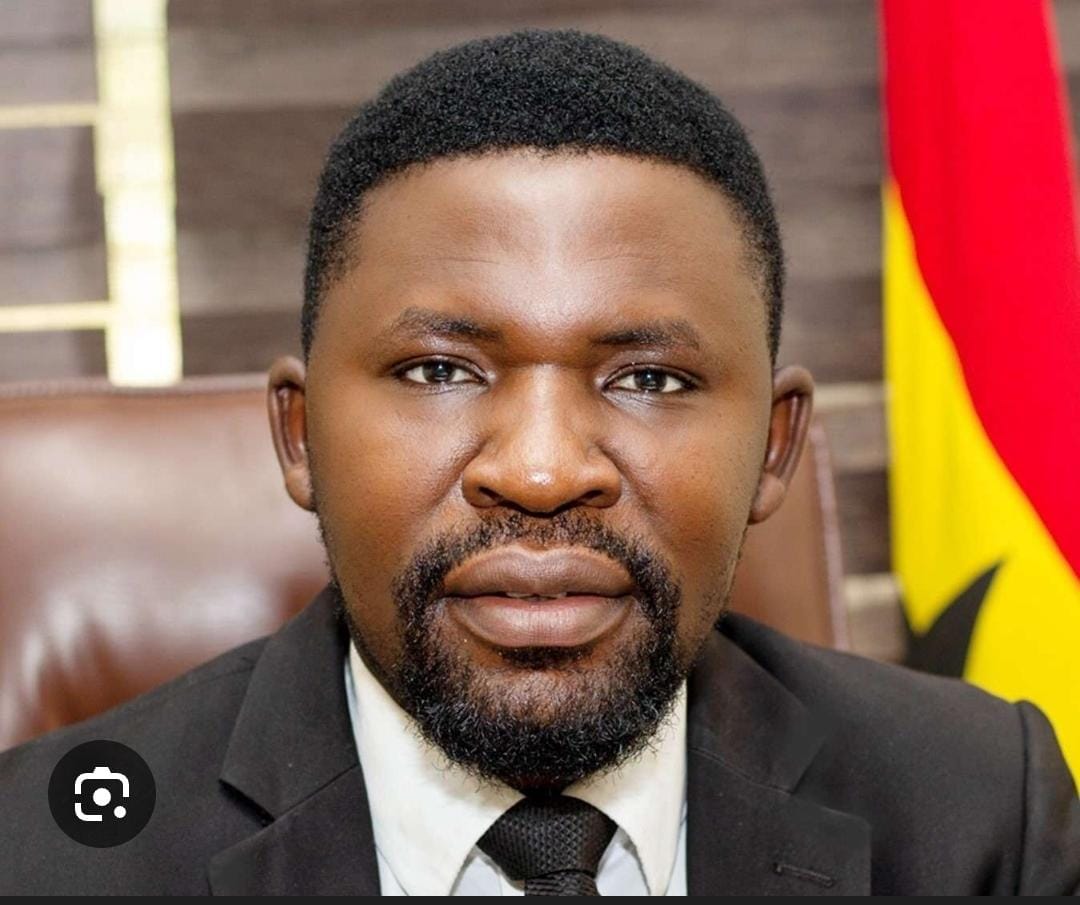
‘‘GNACOPS, supports nearly 3.9 million learners, over 300,000 teachers, and more than 14,500 education entrepreneurs almost half of Ghana’s basic education population and it is now positioning itself as an evidence-driven reform partner rather than only a representative body’’. Said its Executive Director, Obenfo Nana kwasi Gyetuah in a statement.
With established partnerships with the Ministry of Education and key agencies including GES, NaCCA, NTC, and NaSIA, the Council is calling on government, development partners, industry, and civil society to collaborate in building a private education system that is scalable, accountable, and transformative, aimed at preparing Ghana’s children for a future-ready economy.
By Sarah Apenkroh