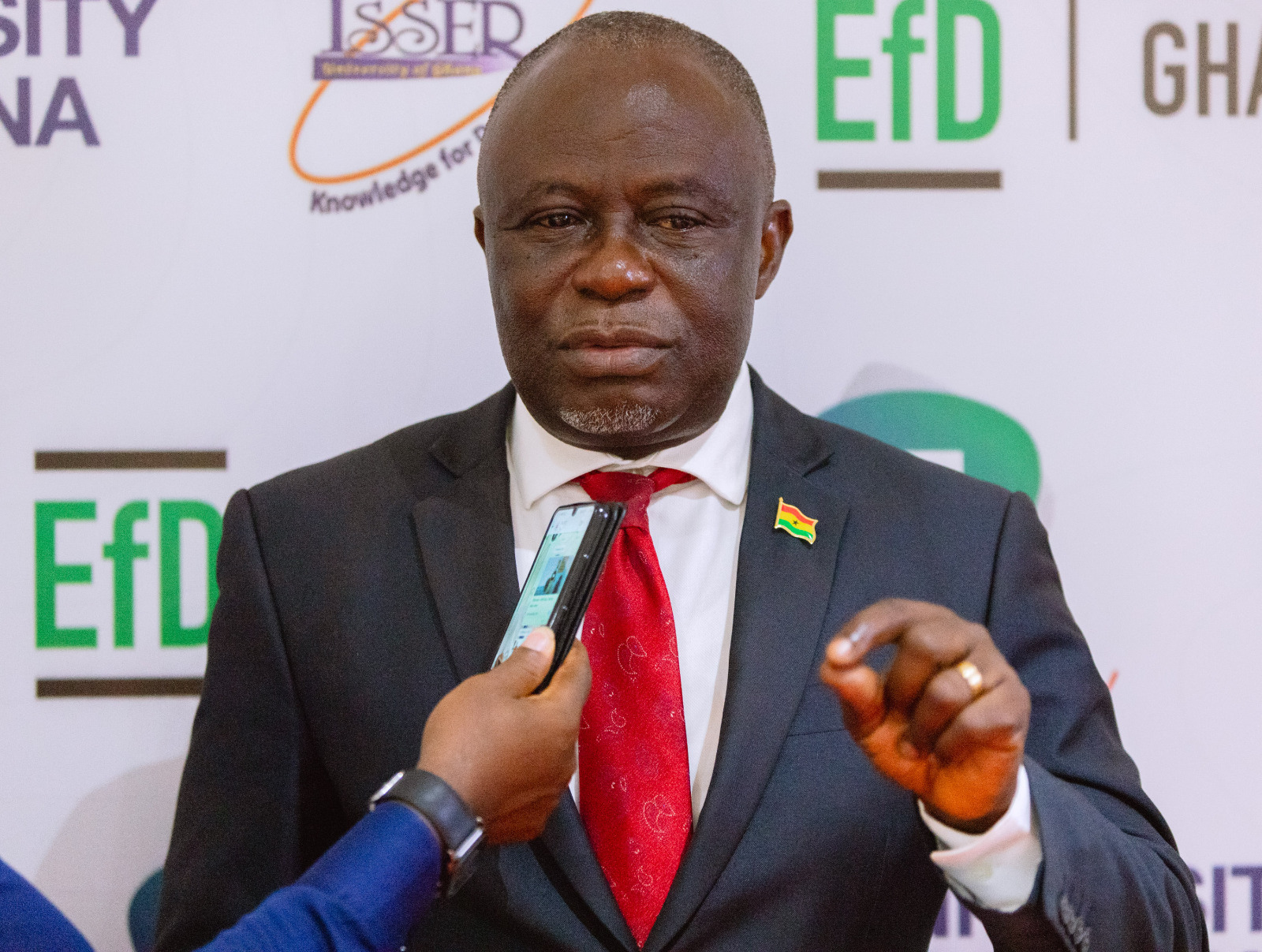

Chairman of Parliament’s Select Committee on Science, Environment and Technology, Yaw Frimpong Addo, is calling for the establishment of a National Sanitation Authority to regulate waste management in Ghana.
He believes the lack of a regulatory authority for the sector is a “deficiency” which must be tackled to enhance waste management in the country.
Mr. Frimpong Addo, in an exclusive interview with OnuaOnline on the sidelines of the University of Ghana’s Institute of Statistical, Social and Economic Research’s (ISSER) forum on sanitation in Accra on Thursday, February 26, 2026, called for a regulator for the sanitation sector, saying it’s a cause he will champion in Parliament.
“We need a regulator there because we have segments of sanitation in lots of ministries, departments and agencies. But there’s no regulatory body to regulate all sanitation issues,” he stated, adding that the lack of it “is a serious deficiency.”
The Chairman, who is also the Member of Parliament for Manso Adubia, noted the lack of a regulator has led to a haphazard approach to waste management, pledging his commitment to pushing for its establishment as a legislator.
“We need to establish that. It’s something that I’m going to champion in Parliament seriously, that we should have that regulatory body established because everybody is doing his own thing,” he stated.
He further added that “without any regulation or a regulator, there’s no way we can have very successful sanitation programmes in this country.”
The ISSER-led research offers policymakers a data-driven case for prioritising sanitation financing as a development catalyst, aligning national efforts with the Sustainable Development Goals and positioning Ghana as a leader in sustainable urban management.
The research puts a spotlight on waste investment opportunities rather than the crisis.
Presenting the report to stakeholders on Thursday, February 26, Prof. Peter Quartey of ISSER, stressed the need for the state to see waste management not as a burden, but as one of Ghana’s most promising economic investments.
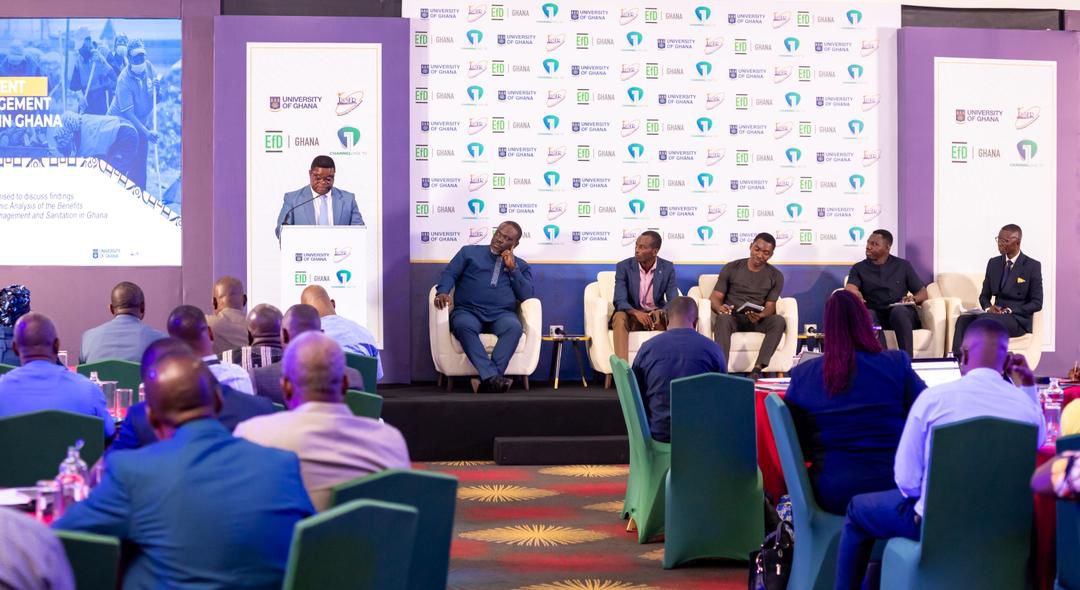
The study, titled “An Economic Analysis of the Benefits of Adequate Investment in Waste Management and Sanitation in Ghana”, presented a compelling evidence that strategic and sustained financing of sanitation systems can generate measurable economic returns, protect public health, and stimulate job creation.
Rather than dwelling on overflowing landfills or strained municipal budgets, the study highlighted the gains Ghana stands to make, including reduced healthcare costs, improved workforce productivity, stronger environmental resilience, and enhanced urban livability.
It quantified how every cedi invested in structured waste collection, recycling infrastructure, and sanitation services can translate into long-term savings and economic growth.
Following the presentation, a stakeholder dialogue highlighted on the need to move the conversation beyond managing waste to harnessing its economic potential, reinforcing the idea that sustainable sanitation is not merely a social obligation but a smart investment in Ghana’s future.
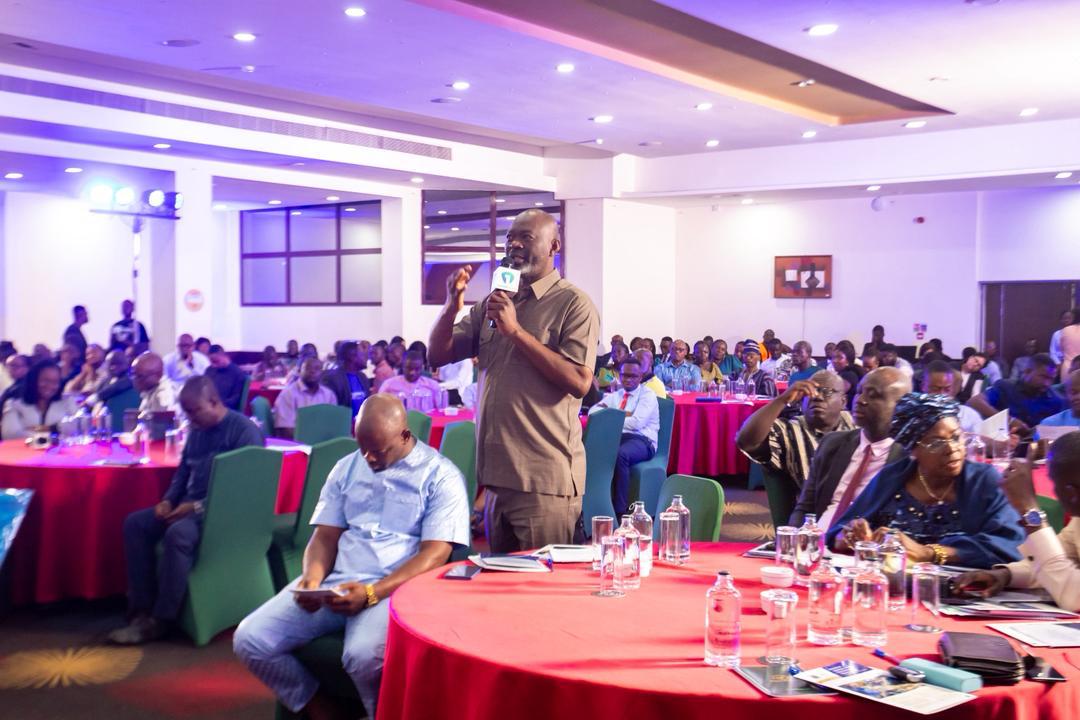
Mr. Frimpong Addo admonished the government to invest in waste management in order to harness the full benefits of the research.
“A lot of such researches have been done in the past. We are still going around the circle by not hitting the nail right on the head. Everything is about funding.”
Environmental service providers push for dedicated waste management funding