
The Ashanti Region has recorded a steady decline in severe malaria cases and deaths over the past three years, although the disease continues to account for a significant proportion of outpatient visits.
Data from the District Health Management Information System (DHMIS) shows that in 2023, a total of 989,253 malaria cases were recorded at Outpatient Departments (OPDs), representing 20.3 percent of all OPD visits.
The number increased to 1,153,002 cases in 2024, accounting for 19 percent of OPD attendance, before declining to 970,696 cases in 2025, which still represented 20 percent of all OPD cases.
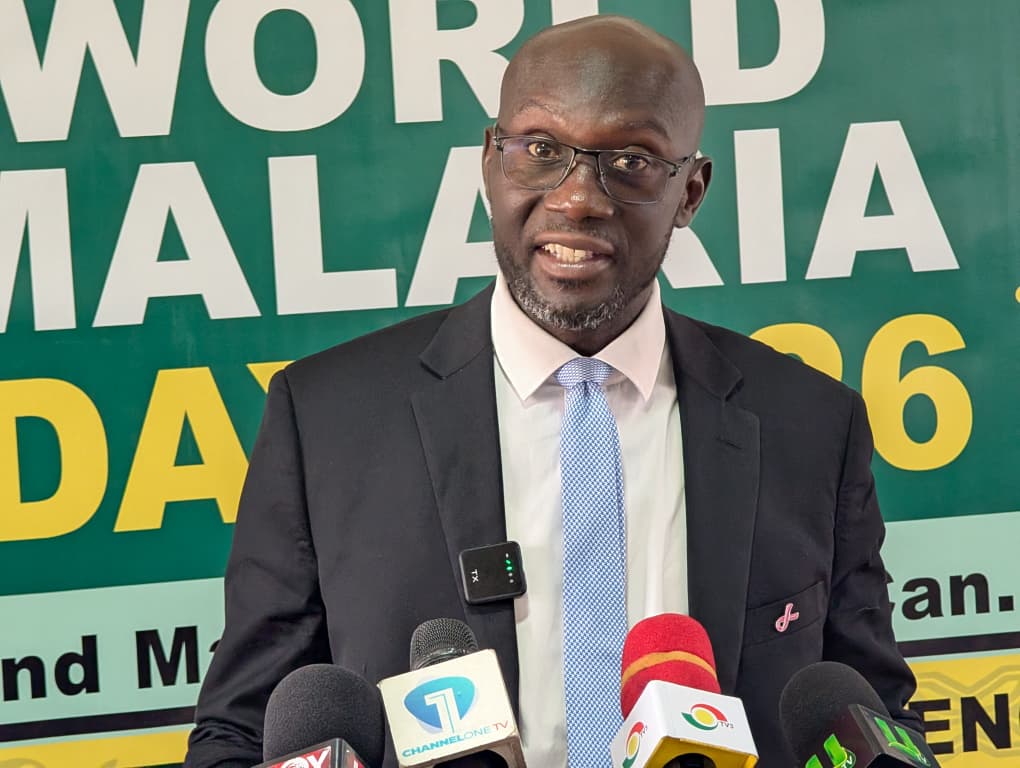
Despite the high caseload, the Regional Director of Health Services, Dr Fred Adomako Boateng during a press conference to mark this year’s World Malaria Day, noted that diagnostic practices have significantly improved, with 99 percent of suspected malaria cases tested before treatment, ensuring adherence to national treatment protocols.
Encouraging trends were also recorded in severe malaria cases, particularly among children under five years. Admissions dropped from 27,846 in 2023 to 22,472 in 2024, and further to 21,343 in 2025.
Malaria-related deaths in this vulnerable group remain extremely low. The region recorded zero deaths in 2023, and only one death each in 2024 and 2025, translating into a case fatality rate of 0.005 percent in 2025.
A similar decline was observed among persons above five years. Admissions reduced from 70,311 in 2023 to 59,151 in 2024, and further to 57,864 in 2025. The case fatality rate in this group also dropped sharply from 0.2 percent in 2023 to 0.002 percent in 2025
The Regional Director also highlighted improvements in malaria prevention among pregnant women. Coverage for intermittent preventive treatment increased from 49 percent in 2022 to 54 percent in 2024, and further to 58 percent in 2025.
“Diagnostic performance remains strong, and severe malaria admissions are going down. Preventive efforts among pregnant women have also improved. However, there is still more work to be done,” he stated.
Dr. Boateng cautioned that although progress has been made, it remains fragile and could be reversed if efforts are not sustained.
“Residents should consistently sleep under insecticide-treated nets, seek testing before treatment, and maintain clean environments to eliminate mosquito breeding sites. Families are to support pregnant women to attend antenatal care early and complete the recommended doses of preventive treatment.”
The 2026 World Malaria Day is being marked under the theme: “End Malaria: Now We Can, Now We Must,” emphasizing the urgency of sustained action.
Dr. Boateng stressed that eliminating malaria is achievable but requires collective responsibility.
“Zero Malaria Starts With Me. Every individual, household, and community has a role to play,” he emphasized.
By Ibrahim Abubakar