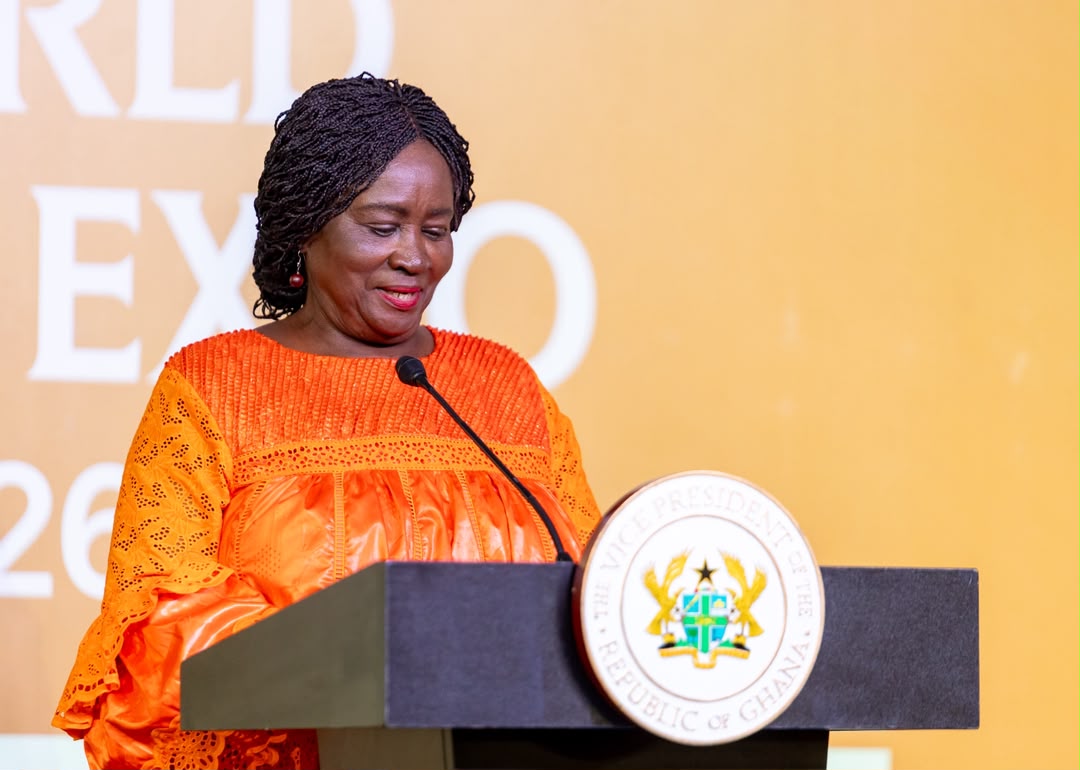

Government has renewed its commitment to transforming the shea industry through increased local processing, improved access to finance and technology, and greater participation of women and young people across the value chain.
Speaking at the World Shea Expo 2026 in Tamale, the Vice President, Prof. Naana Jane Opoku-Agyemang, said the country must move beyond the export of raw shea nuts and develop a globally competitive industry capable of creating jobs, increasing incomes and delivering greater value to producing communities.
The Vice President, who conveyed greetings from President John Dramani Mahama, said the shea industry had supported generations of families in northern Ghana but could deliver significantly greater economic benefits if more processing and manufacturing were undertaken locally.
“Processing more shea at home would create more jobs for many professional services around a single product,” the Vice President said.
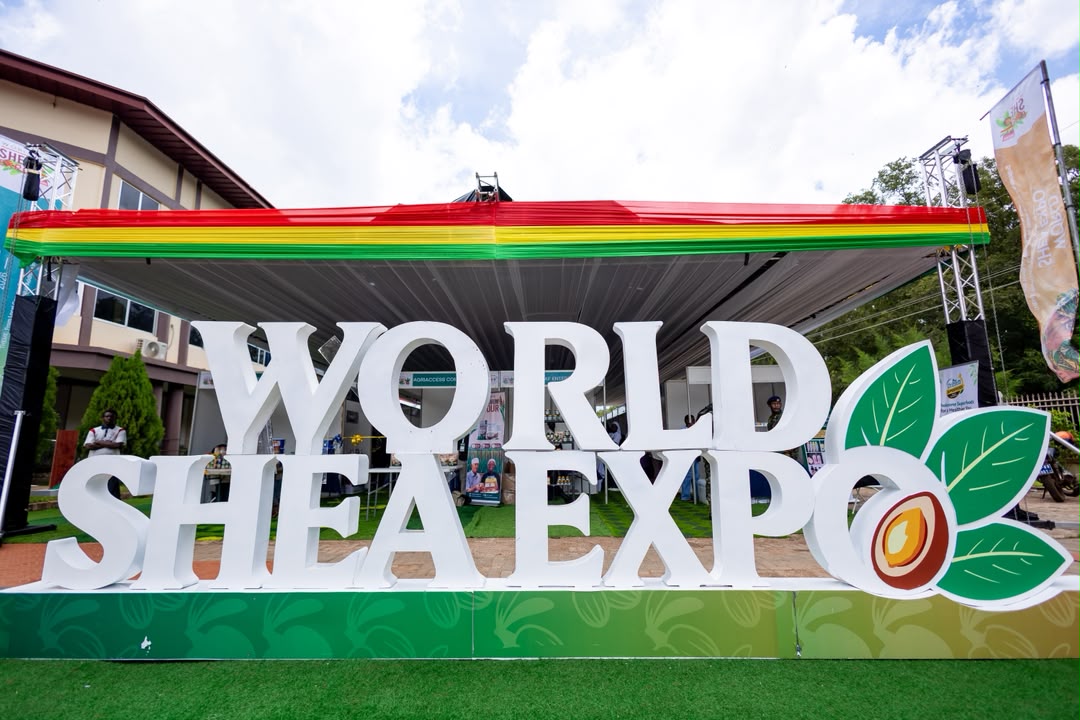
The three-day World Shea Expo, being held from September 15 to 17, 2026, is an initiative of the Presidential Initiatives in Agriculture and Agribusiness (PIAA) aimed at positioning Ghana’s shea industry for greater value addition, investment and global competitiveness.
Held under the theme, “From Local Commodity to Global Brand: Accelerating Women and Youth-Led Value Addition in Shea,” the Expo brought together farmers, processors, exporters, investors, policymakers, researchers and other stakeholders in the shea value chain.
Professor Naana Jane placed particular emphasis on ensuring that women, who play a central role in the shea industry, receive a greater share of the value generated from their work.
Referring to shea as “women’s gold,” the Vice President said the description should prompt a broader discussion about women’s ownership and participation beyond the collection of shea nuts.
She said women should have opportunities to move into aggregation, processing, manufacturing and export, while also gaining stakes in companies, brands and distribution networks.
“Fairness at production level is very important. When exports rise, the producing communities must feel the benefit,” the Vice President said, while noting that pricing alone was not enough to address the challenges facing the sector.
The address also highlighted the planned Women’s Development Bank as an important mechanism for expanding access to finance for women engaged in small and growing businesses.
The Vice President said the facility should support women who require relatively small amounts of capital to start or expand businesses, including petty trading, food processing, yam trading and cocoa-related enterprises.
Professor Opoku-Agyemang also called for a broader understanding of agriculture, saying the sector encompasses engineering, technology, finance, research, design and other professional fields.
Young people, the Vice President said, must be encouraged to bring their skills and ideas into the agricultural economy.
Tertiary institutions were urged to strengthen their links with farms, factories and businesses so that research could address practical challenges confronting producers and processors.
Professor Opoku-Agyemang commended the University for Development Studies (UDS) for its contribution, stressing that knowledge developed on campuses must find practical applications within Ghana’s agricultural industries.
The address outlined several government interventions intended to strengthen production and value addition in the shea sector.
The Feed Ghana Initiative and Farmer Service Centres, the Vice President said, are improving access to machinery, technology, technical support, storage and markets.
The Ministry of Food and Agriculture has also led efforts to restore production at the Shea Limited factory.
In the Northern Region, the Office for Presidential Initiatives in Agriculture and Agribusiness distributed equipment to women’s collectives last year, while Ghana has secured funding to strengthen shea production and build the capacity of producers.
The Vice President called for further support for women involved in collecting shea nuts, including measures to improve their safety in the field.
Beyond economic expansion, the government stressed the need to protect the natural resource on which the entire industry depends.
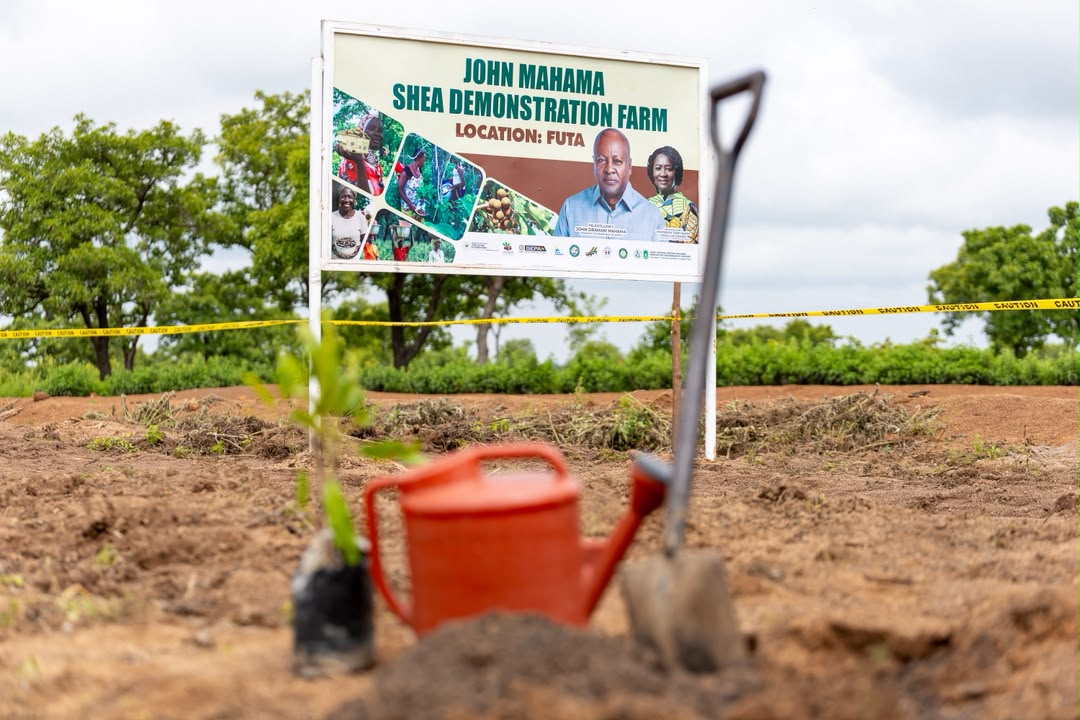
The Vice President identified bushfires, indiscriminate tree felling, land degradation and climate change as major threats to shea parklands.
“Environmental sustainability and economic development must be treated as a single conversation,” the Vice President said.
Traditional leaders, local authorities, researchers, private-sector actors and development partners were urged to work together to protect shea-producing landscapes.
The government is seeking to position Ghana not merely as a supplier of raw shea but as a producer of high-quality, sustainable and traceable finished products.
The Vice President said Ghana’s ambition was to establish a global reputation based on quality, sustainability, traceability and fair returns.
Achieving that objective, she said, would require consistent standards, innovation, consumer trust and stronger partnerships across the value chain.
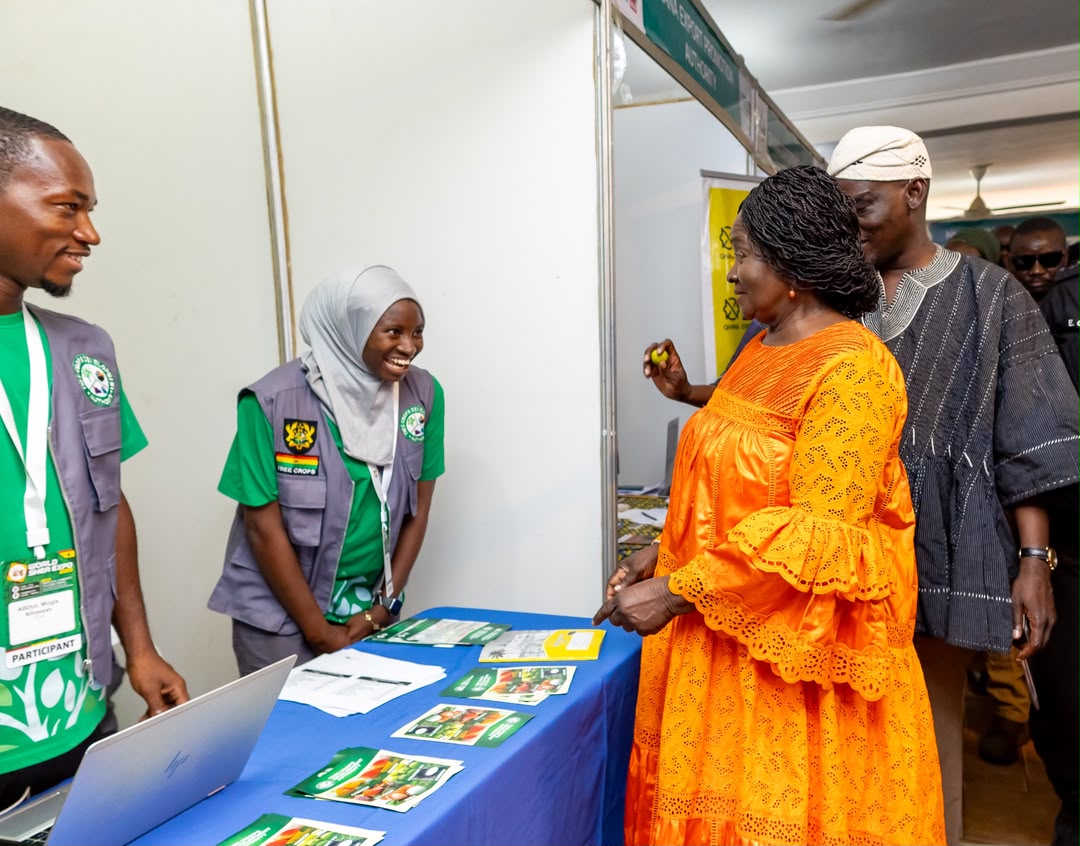
Participants at the Expo were consequently encouraged to use the platform to develop partnerships, financing agreements, investment proposals and research collaborations.
The Vice President said no single stakeholder whether government, the private sector, development partners, researchers or producing communities could transform the industry alone.
The Expo, the Vice President said, should therefore serve as a platform for collective action to ensure that the economic potential of shea translates into better livelihoods for women, young people and communities across northern Ghana.
Professor Naana Jane expressed hope that the 2026 Expo would mark an important moment in the development of the shea industry and called on stakeholders to build an industry that does justice to the resource inherited from previous generations.
“Let us build an industry that does justice to the resource we have inherited. Do justice to the women who have sustained it and the young people who will carry it forward,” the Vice President said.
Beyond the Nut: How Ghana’s shea women are fighting for finance, trees and fair value