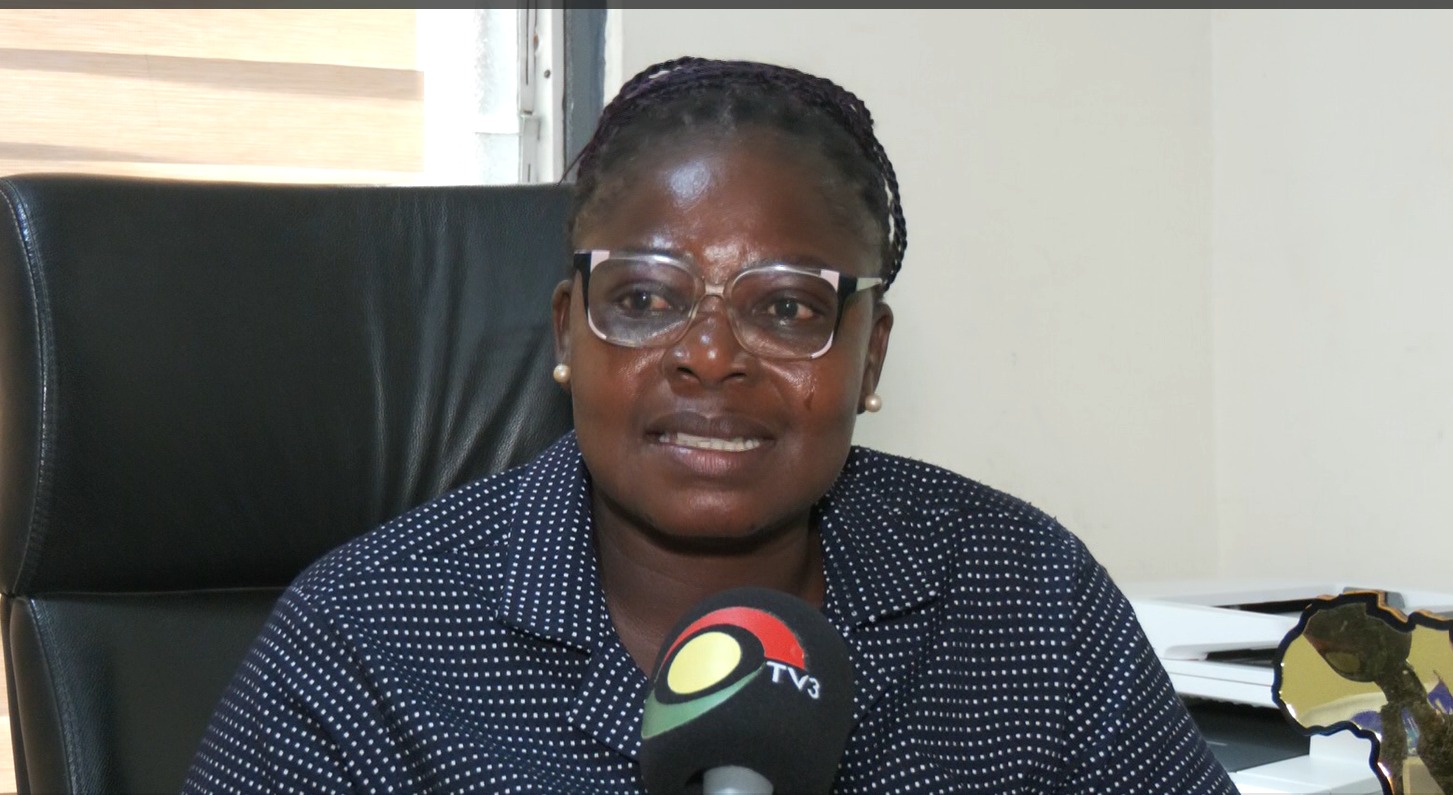

The Director of Public Health at the Accra Metropolitan Assembly (AMA) has revealed that the Assembly is recording a high number of respiratory and cardiovascular diseases linked to air pollution in the Greater Accra Metropolitan Area.
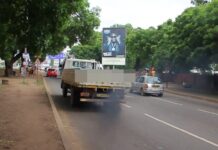
Florence Kuukyi explained that an assessment of the burial permits received so far indicates that about 80% of the deaths are caused by either cardiovascular or upper respiratory diseases due to high levels of pollutants in the air linked to the open burning of e-waste at Agbogbloshie, carbon emissions from vehicles and trucks, and the use of solid fuels for domestic and commercial cooking.
In a yet-to-air documentary by Christian Yalley, scheduled for Sunday, October 4, 2026, at 5:30 p.m. on TV3, Madam Kuukyi expressed worry that the “air pollution issue in Accra of late is becoming so high.”
“There has been an increase in cardiovascular diseases, upper respiratory diseases, asthma and all that. Data has it that 40% of air pollution is from vehicular emissions, 25% is from waste burning, and when you burn waste, you don’t just pollute the air, you also destroy the environment.”
“People come to secure burial space to lay their loved ones to rest and I can say about 80% of these burial permits that are brought, when you look at the cause of death, it’s either upper respiratory disease or cardiovascular diseases. So you can see that it is increasing,” she said.
The World Health Organisation (WHO) estimates that every year 62 million tonnes of electronic waste are discarded, but less than a quarter of that figure is recycled through appropriate or formal means.
A 2024 study by the United Nations Institute for Training and Research (UNITAR) found that 77.7% of the world’s e-waste is not formally collected or recycled. This immediately raises serious public health questions.
Lying less than a kilometre from the Central Business District of Accra is a notorious e-waste hub, Agbogbloshie – a place that has been a focal point of academic, institutional and media research over the decades for its contribution to air pollution.
Electronic gadgets of various types arrive here from all over the world at the end of their life cycle, or just about. But even in “death”, these obsolete gadgets are forced by scavengers’ search for vital parts into a new life cycle where they become a danger to the environment and society at large.
At the heart of the electronic waste menace is the search for copper wires. This is where your phones, laptops, refrigerators and vehicle components go to die!
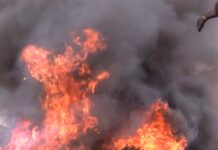
To extract copper and other useful metals from the cables assembled, a group known as the ‘Burner Boys’ openly burns the cables, releasing toxic substances such as lead and mercury into the air – the prolonged inhalation of this is taking a toll on residents and persons who work in Agbogbloshie, Old Fadama, Abossey Okai and nearby settlements.
3News found, as part of an air quality assessment for this documentary titled _’Toxic Smoke, Fragile Lives’_, high levels of pollutants in the air at Agbogbloshie, with all indicators exceeding WHO standards for days, weeks and years consistently.
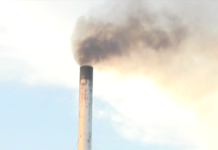
The Agbogbloshie air quality case is quite complex. There is general waste which causes methane emissions, carbon emissions from vehicles, open burning of electronic waste, as well as household and commercial cooking and other activities that are all feeding into the poor – and sometimes ‘very unhealthy’ – air people are breathing in the area.
“For air pollutants, you don’t even know that you are inhaling them because they are too tiny, especially the particulate matter 2.5 and that is what is killing us. We just took students to the Agbogbloshie enclave and they are complaining,” Florence Kuukyi noted.
Although not every pollutant was measured in this documentary, a general assessment of particulate matter (PM) 2.5 showed that there is a serious crisis at hand that needs a critical solution.
By Christian Yalley