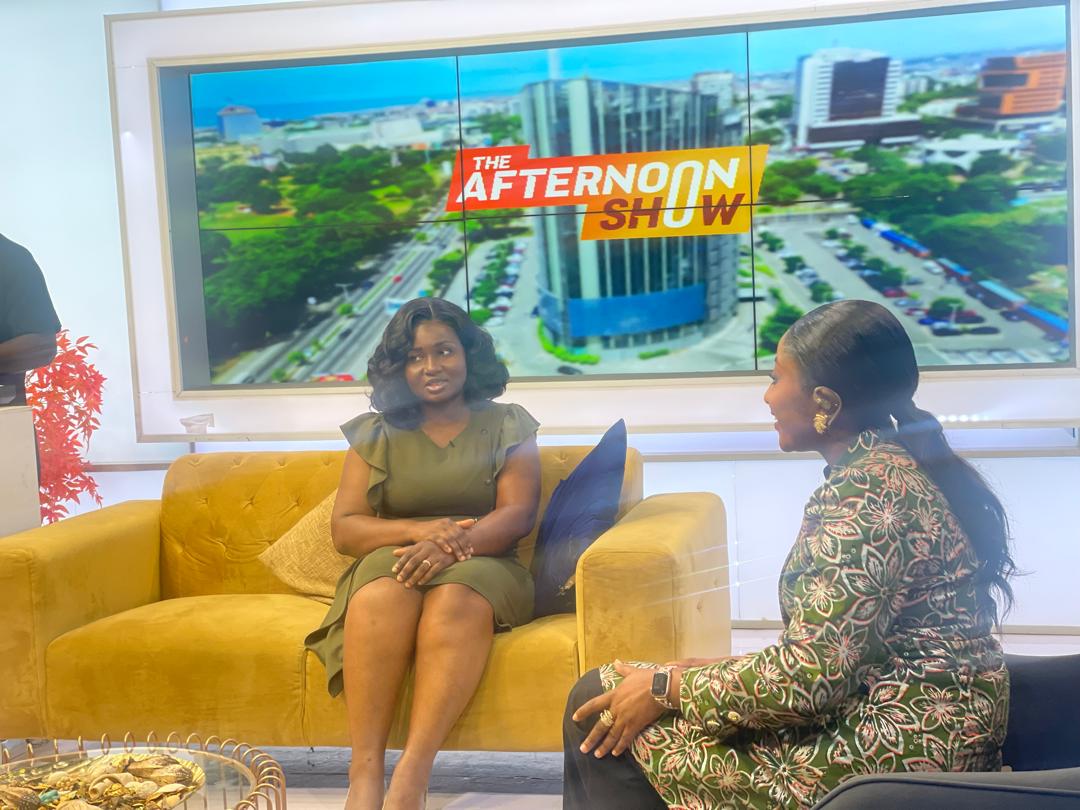

Dr. Ernestina N.B. Schandorf, a renowned pediatric oncologist at the Korle-Bu Teaching Hospital and head of the Pediatric Association of Ghana’s Greater Accra branch, has distinguished between childhood and adult cancers.
She made the distinction of TV3’s The Afternoon Show on September 29.
According to Dr. Schandorf, childhood cancer primarily stems from abnormalities in a child’s growth.
Childhood cancer, Dr. Schandorf emphasized, is highly curable, with eight to nine out of ten children likely to be cured in developed countries. However, in Ghana, late detection due to lack of education and awareness often hampers treatment success.
Parents’ misconceptions about cancer and limited financial resources also lead to treatment discontinuation, allowing the cancer to spread.
She added that, notably, children typically don’t experience bone pains, so if a child complains of pain, it’s essential to investigate further. Treatment options in Ghana include chemotherapy, surgery, radiotherapy, and advanced genetic treatment. However, bone marrow transplants and advanced surgery are unavailable in Ghana, forcing families to seek treatment abroad.
Dr Schandorf emphasized that September, although designated as Childhood Cancer Awareness Month, shouldn’t be the only time for awareness creation. She urged Ghanaians to continually spread the word about this devastating disease affecting young lives. By doing so, parents and healthcare officials can better identify subtle symptoms, such as swelling of the eyes or retinoblastoma, a common and curable cancer in children.
Dr. Schandorf highlighted the importance of counseling sessions for both children and parents dealing with childhood cancer trauma. Child life specialists and trained psychologists play a vital role in helping adolescents cope with the disease.
Ultimately, Dr. Schandorf advocated for an end to stigmatization surrounding childhood cancer and increased advocacy to support affected children.
“By working together, we can ensure these young warriors receive the care and understanding they deserve. Childhood cancer is traumatizing enough to deal with; henceforth, the stigmatization around it should stop”, she stated.