
Traditional celebrations remain an important part of Ghanaian culture, serving as occasions through which communities preserve their history, values, identity and customs across generations.
From birth and naming or outdooring ceremonies to puberty rites, marriage and knocking ceremonies, parenthood, festivals and harvest celebrations, chieftaincy rituals, funerals and ancestor remembrance, traditional celebrations provide Ghanaians with opportunities to mark significant stages of life and honour their heritage.
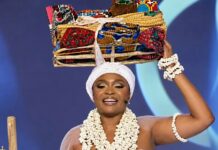
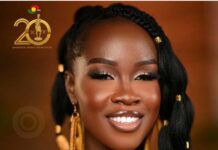
It was this rich cultural heritage that took centre stage on GMB@20 Week Five on Sunday August 30, 2026 as contestants of Ghana’s Most Beautiful showcased traditional celebrations from different parts of the country.
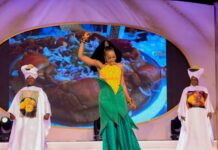
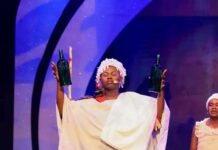
The Traditional Celebration Night combined storytelling, music, dance, drama and traditional rites, with contestants taking audiences on journeys through some of Ghana’s historical and cultural practices.
Among the standout performances was that of Ayinboma of the Upper East Region, who explored the history of the region and the resistance of its people during the era of slave raids.
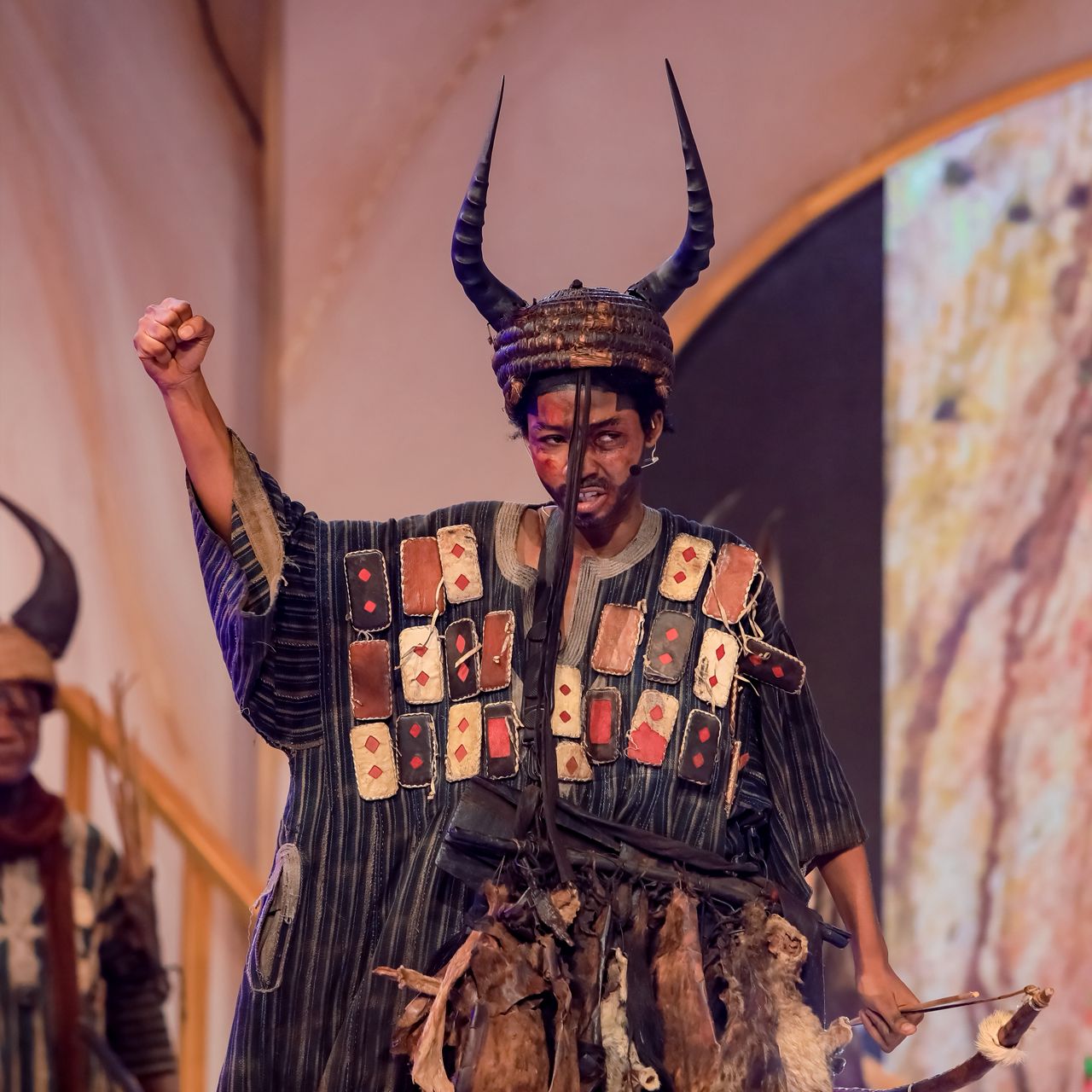
Through the story of the Denyanga, a protective structure designed and mainta ined by women, Ayinboma highlighted the courage, ingenuity and resilience of women who helped defend their communities.
Her performance culminated in a war and victory dance celebrating the strength and legacy of the people of the Upper East Region.
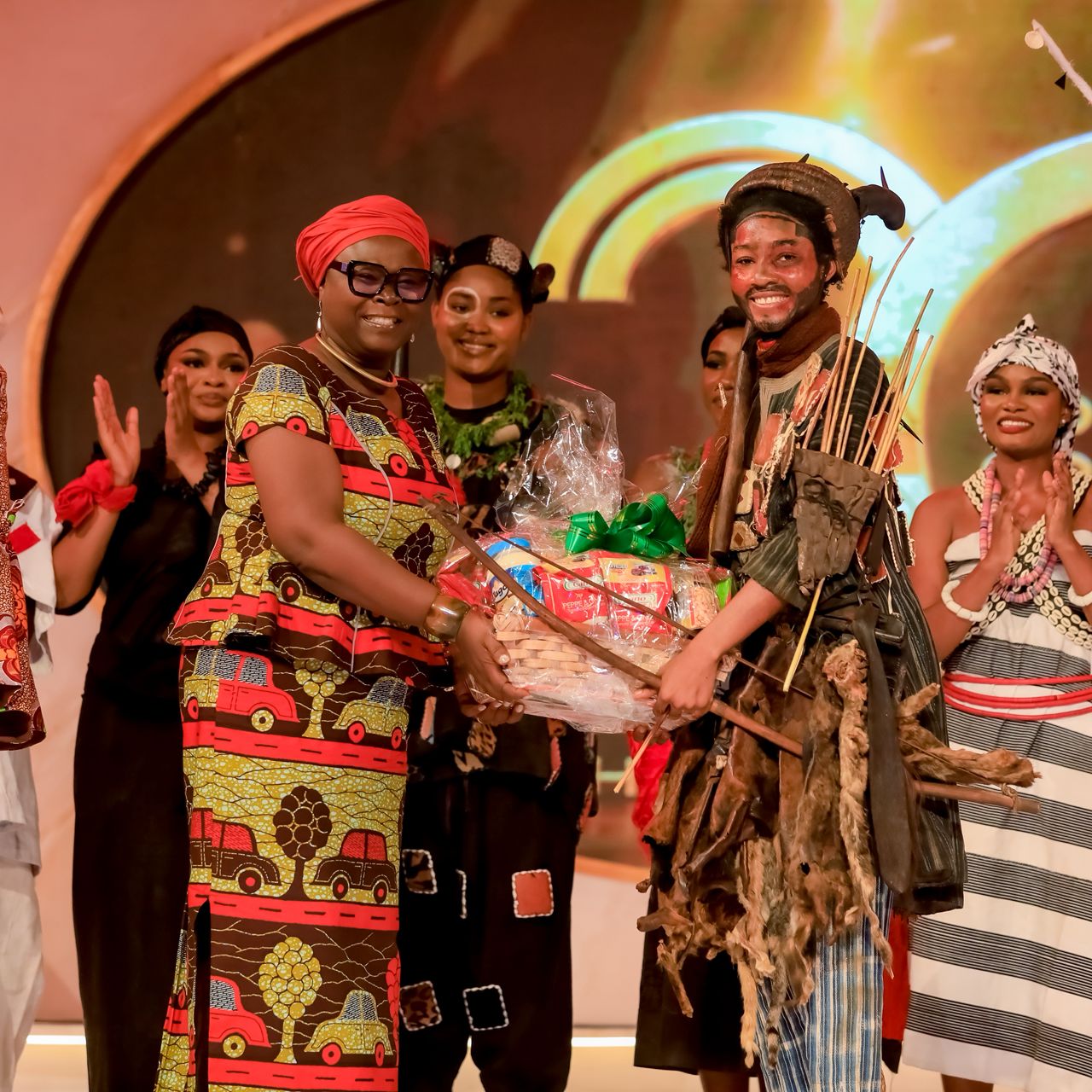
The performance earned Ayinboma the Star Performance Award, beating competition from Besiwaa, Ohenewaa and An-Suaf.
Nana Konadu of the Bono Region also delivered a culturally rich performance centred on the Bono royal transition, Dɔteyie.
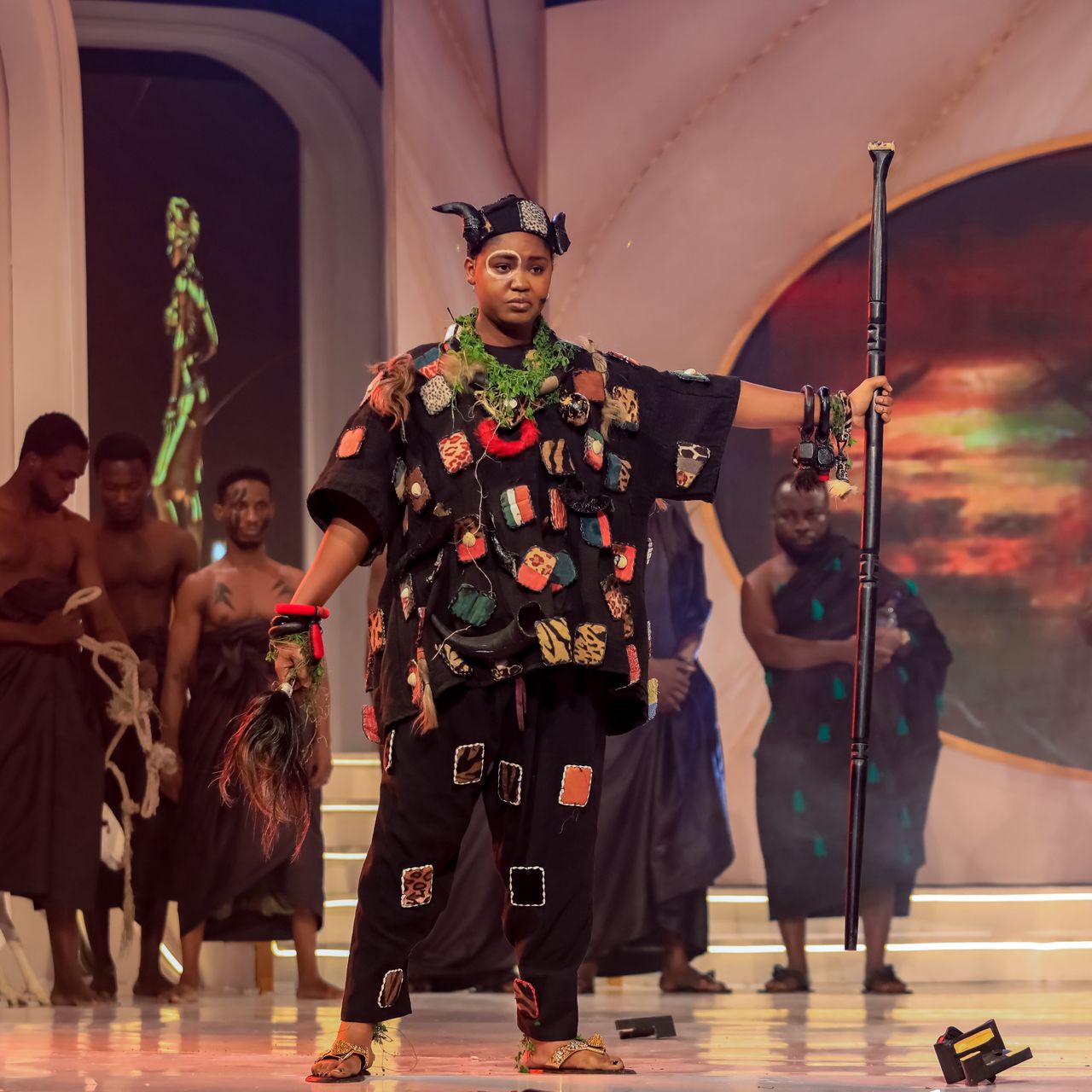
Playing the role of the Sumankwaahene, the custodian of royal rites, Nana Konadu took viewers through the announcement of a King’s transition, sacred mourning rites and the final journey to Banmu.
Using traditional drums, procession, ritual movements and mourning regalia, she presented death not only as an occasion of grief but also as a celebration of the life and legacy of the departed King.
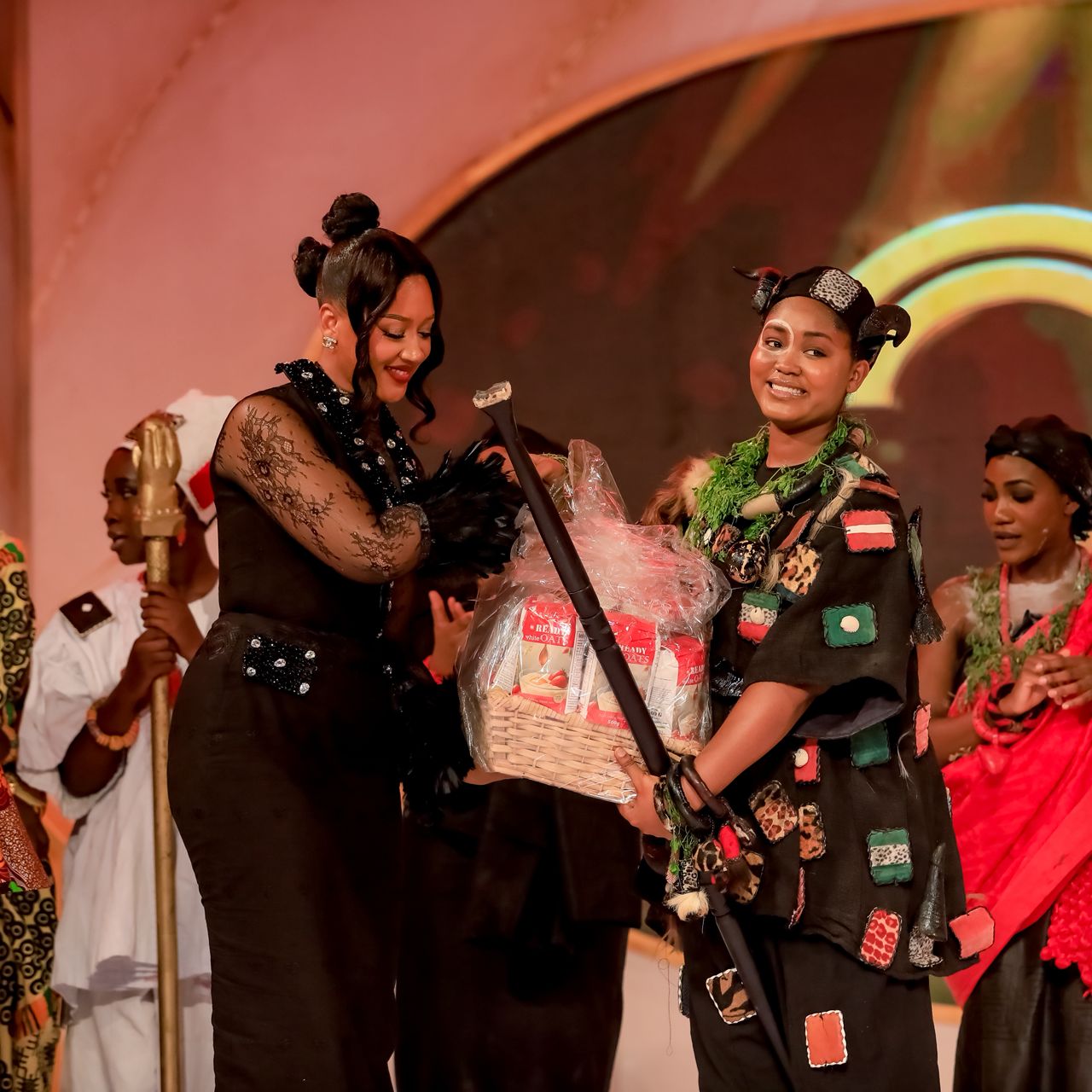
Her performance earned her the Most Eloquent Award, ahead of Boatemaa, Besiwaa and Ayinboma.
For An-Suaf of the Upper West Region, the night was an opportunity to tell the story of the Wechiau people and the sacred Kaka, the hippopotamus believed to have helped their ancestors escape slave raiders by crossing the Black Volta.
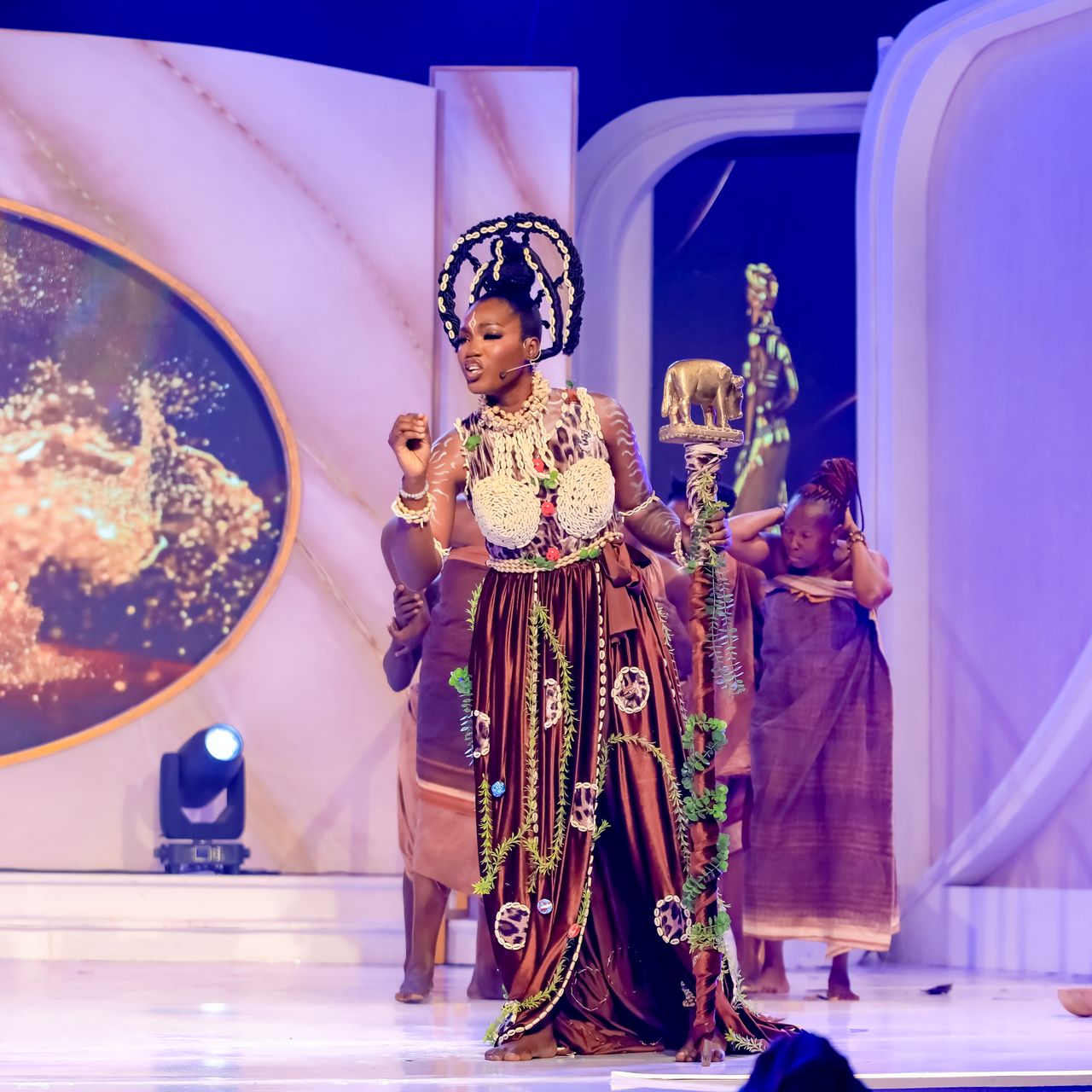
Through drama, ritual, music and traditional dances, An-Suaf explored how the story of the Kaka has evolved into a cultural celebration that honours the animal and preserves the history of the community.
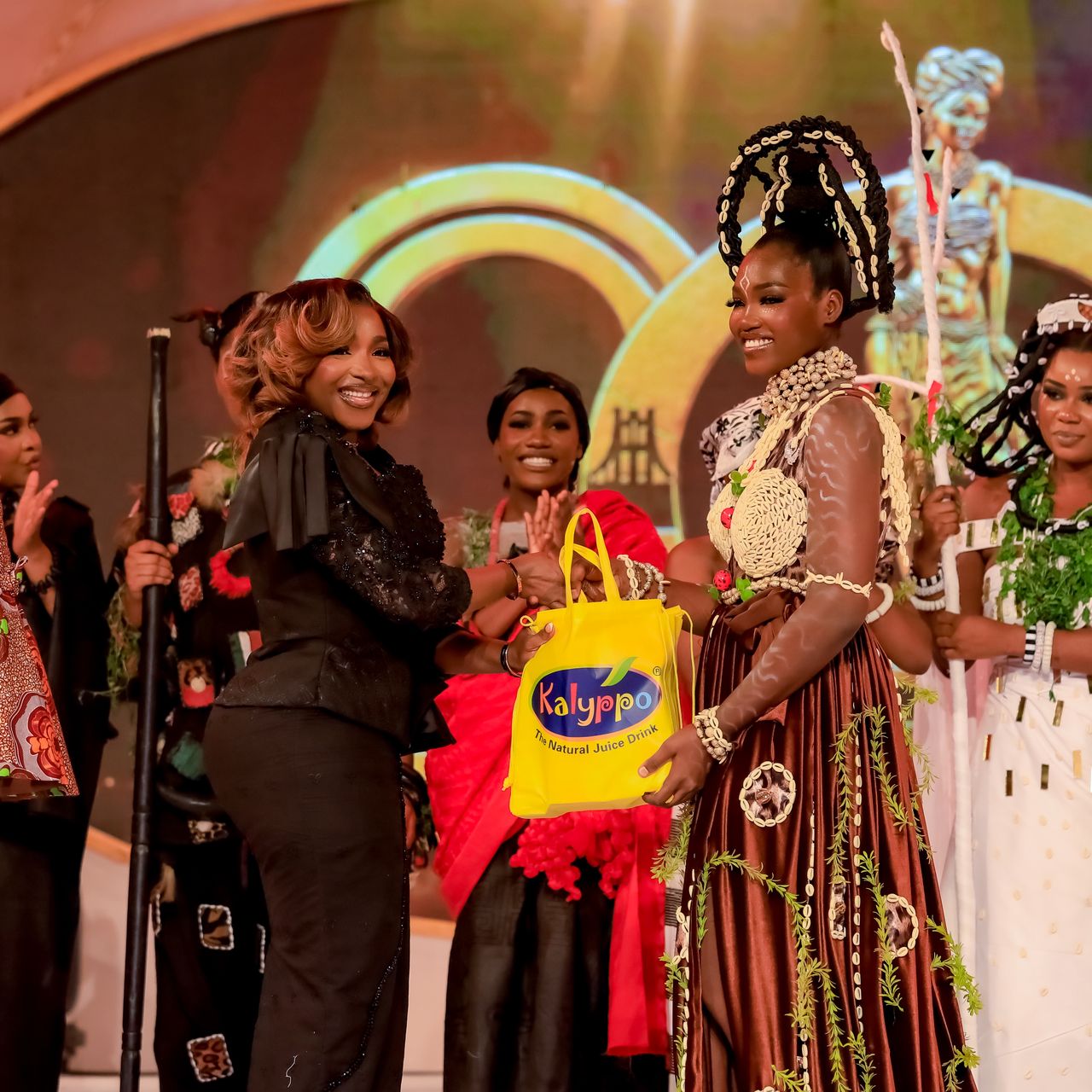
Her presentation earned her the Best Costume Award, alongside recognition as one of the night’s memorable performers.
The Kivo Woman award went to Besiwaa.
The evening also featured a celebration of Ghana’s cultural heritage beyond the contestants’ performances, with guests including filmmaker and cultural personality Nanahema Adjoa Awindor, historian Kwaku Darko Ankrah and Sarah F. Dorgbadzi.
The show’s Queens Corner also brought former GMB queens into the conversation, with Queen Ama, the 2010 winner, and Queen Baci, the 2014 winner, sharing their experiences and reflections on Ghana’s Most Beautiful.
However, the night ended with two contestants exiting the competition.
Nana Ama and Piini were evicted following the week’s performances, bringing their respective journeys on GMB@20 to an end.
With contestants drawing from customs, historical events, traditional institutions and community stories, GMB@20 continues to use entertainment to connect audiences with the traditions that have shaped Ghanaian society.
Join the live show every Sunday at 8:00 pm only on TV3 and don’t go to vote for your favorite contestant to stay in the competition.
By Frederick Kunzoti-Ani