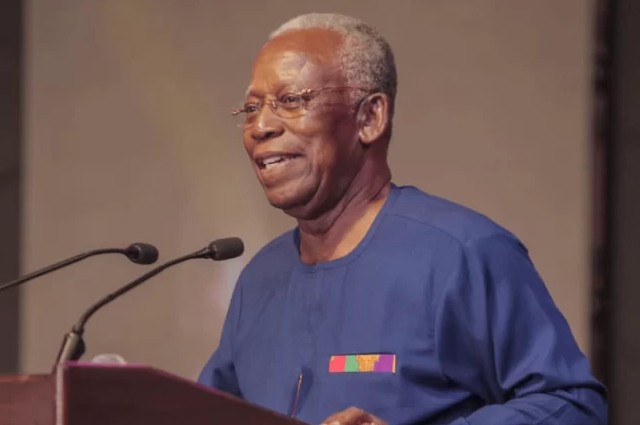

Founder of the Pan African Heritage World Museum, Kojo Yankah, says recognition, reparations, and debt cancellation are necessary to rebuild African nations’ strength and identity.
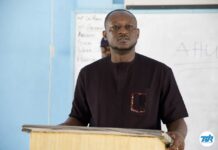
Speaking in an interview on Thursday, March 26, 2026, he said, “We are asking, all the loans that they’ve given us, you rape the country and then you say you are giving your money to build it back. We are saying, listen, some of these loans should be forgiven, or for that matter, look at restitution. We’re talking about artifacts, bring them back. We don’t need to apologize for them.”
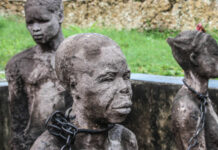
Yankah describes the slave trade as a monumental injustice, leaving millions of Africans displaced, divided, and stripped of heritage.
“This is injustice. In 1884, European countries met in Berlin and then put the map of Africa on the table and divided us like pizza or something, and then shared Africa. So here we are. English takes Ghana, Sierra Leone, Nigeria. The French took Togo, took Benin. So what are they doing? Separating families. And we have not even started to look at the consequences of these rights that we have.”
His comments follow the United Nations General Assembly vote on March 25, 2026, officially recognizing the transatlantic slave trade as the gravest crime against humanity.
Historians estimate that more than 12 million Africans were enslaved during the trade, with Ghana alone seeing over 1.6 million people torn from their communities and shipped away.
On March 26, 2026, international relations and African politics expert Dr. Nana Yaw Mireku insisted that apologies and compensation must follow.
“The point is that there must be some acceptance of a crime that was committed as a heinous crime, as the grave. It’s very, very important because you see, we don’t want a repetition of that in future. So we want a commitment, a political commitment that it was a grievous crime against humanity. Two, then there must be some apology from the powers that were involved in it.”
He explained that colonisers may struggle to accept responsibility due to the legal implications.
“So for them, I understand because the moment they accept that it was a grievous crime against humanity, and they accept it as legal implication, then they must forcefully return all those resources. They must then begin to think about compensating packages. So like I said, at the mention of dry bones, the old man is uncomfortable.”
Yankah also called for healing among Africans following the UN’s adoption of Ghana’s motion.
“We need a lot of healing. We need to inspire ourselves. We need to inspire ourselves to be more confident. Generally, people of African descent are not confident of themselves. Their self-esteem is low. They want approval from somewhere before they can think we are somebody. No. But we have a lot more as Africans to be proud of.”
Meanwhile, the African Union, in a statement issued on Thursday, welcomed the UN adoption, calling it a “historic step toward truth, justice, and healing.”
By Beatrice Sowah