
As thousands of Ghanaian supporters turned their attention to the Black Stars’ international assignment in the United States, another journey was quietly unfolding—one that may ultimately have an even greater impact on the future of Ghanaian sport.
It was not a journey measured by goals scored or points won. It was measured by lessons learned.
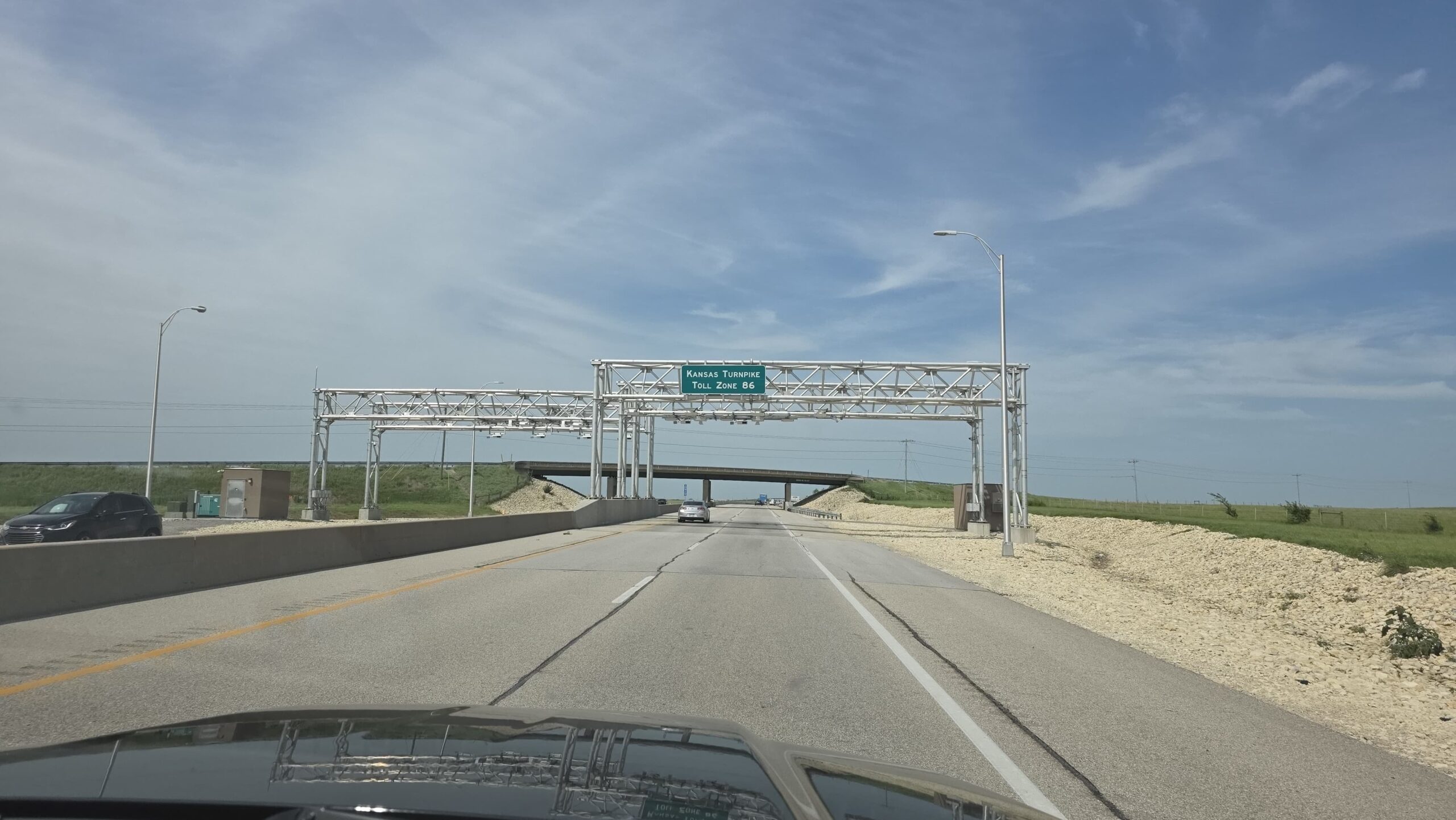
For nearly ten hours, the Administrator of the Ghana Sports Fund, Dr. David Kofi Wuaku, and his team travelled by road from Houston, Texas, to Kansas City instead of taking the quicker option of flying.
It was a deliberate decision—one rooted in a belief that genuine sports development begins with seeing, learning and understanding.
To many, it may have seemed like an unnecessarily long drive. To Dr. Wuaku, it was an investment in knowledge.
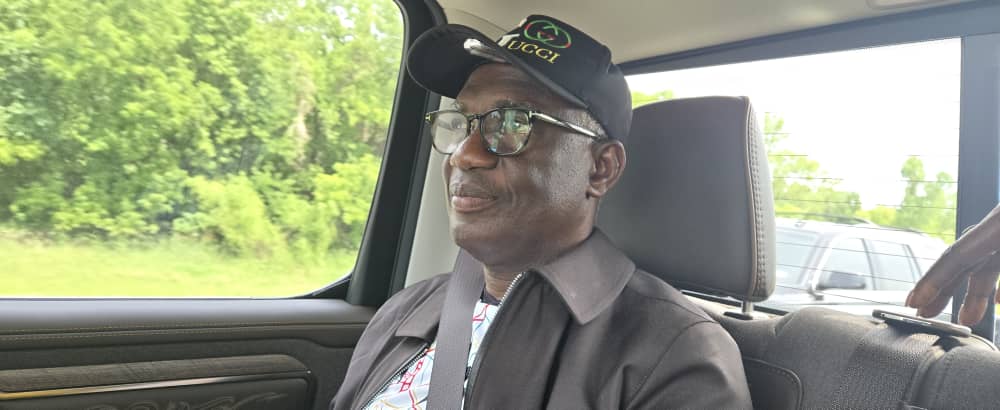
“The journey has been a great experience,” he said. “Travelling by road instead of flying has given us the opportunity to see many interesting places, sporting facilities and community sporting activities across different parts of the United States. There are valuable lessons everywhere if you are prepared to observe.”
Every mile offered a glimpse into the sporting ecosystem of one of the world’s most successful sports economies—from modern stadiums and training facilities to community recreation centres and the infrastructure that supports athletes at every level.
For the Ghana Sports Fund delegation, the drive became more than transportation. It became a moving classroom. But Dr. Wuaku is quick to dismiss any suggestion that the trip was merely about sightseeing.
“This is not just about having fun,” he stressed. “We are here first and foremost to support the Black Stars. As Administrator of the Ghana Sports Fund, I believe our national team deserves to know that the institution established to promote sports development stands firmly behind them. Supporting our athletes should never be limited to words; it must be demonstrated through action.”
His presence reflects a broader vision behind the establishment of the Ghana Sports Fund under President John Dramani Mahama—a vision of creating sustainable financing and stronger institutional support for sports development in Ghana.
For Dr. Wuaku, supporting the Black Stars is only one part of a much larger mission. The delegation is also undertaking a comprehensive first-hand assessment of how international sporting competitions are organised in the United States.
Rather than relying on reports or second-hand accounts, they are studying tournament operations from the inside—examining logistics, crowd management, fan engagement, commercial partnerships, security systems and event administration.
“We came to see things for ourselves,” Dr. Wuaku explained. “We want to identify the best practices, understand the shortcomings where they exist and learn lessons that can help improve sports administration in Ghana. If we want to compete globally, we must be willing to learn from countries that have built successful sporting systems.”
That philosophy reflects a growing recognition that sporting success is rarely accidental.
Behind every successful national team lies an equally successful system—one built on planning, governance, investment and continuous learning.
According to Dr. Wuaku, those are the principles guiding the work of the Ghana Sports Fund.
“We are laying a solid foundation,” he said. “Our priority is to get the fundamentals right. Sports development must be based on facts, proper planning and accountability. We are determined to make sports development in Ghana more attractive, sustainable and beneficial for future generations.”
The visit also serves another strategic purpose. Away from the stadiums, the delegation has been engaging potential partners, investors and sports stakeholders, exploring opportunities that could strengthen Ghana’s sports sector through collaboration and private-sector support.
“This trip is also about building networks,” Dr. Wuaku noted. “We are appealing for support, creating partnerships and opening doors that can contribute to sports development in Ghana. Sports today is a global industry, and no country succeeds in isolation.”
His remarks underscore a changing philosophy in Ghana’s approach to sports administration—one that places equal emphasis on diplomacy, innovation and international cooperation alongside athletic performance.
In many respects, the ten-hour journey from Houston to Kansas City has become a metaphor for the task ahead.
Transforming Ghanaian sport will not happen overnight. It will require patience instead of shortcuts.
Learning instead of assumptions. Collaboration instead of isolation.
And leadership willing to travel the extra mile in pursuit of excellence.
While the Black Stars continue their quest for success on the pitch, another team is working quietly behind the scenes to shape the future of Ghanaian sport.
Their journey may not have attracted the cheers of a packed stadium. But if the lessons gathered along America’s highways lead to stronger institutions, better funding, world-class event management and greater opportunities for Ghanaian athletes, history may well remember that the most important journey was not the ninety minutes played on the field.
It was the ten-hour drive that inspired a new vision for Ghana’s sporting future.
By Ivy Setordjie