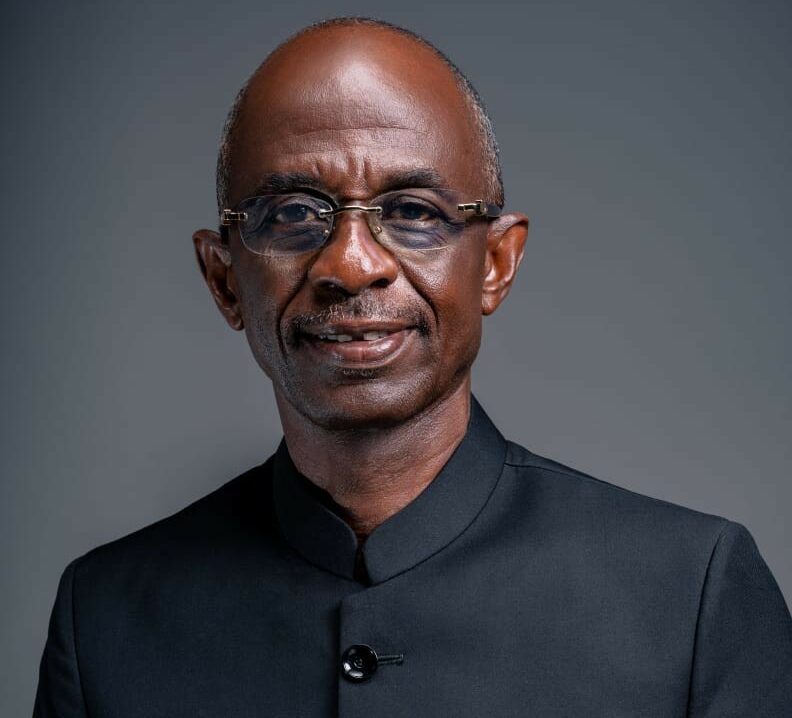

The National Chairman of the National Democratic Congress, Johnson Asiedu Nketiah has called on African leaders to ensure that they match their fine speeches in respect of economic development efforts with concrete actions.
He said that is the only way the continent can develop.
“The struggle against neocolonialism cannot ultimately be won through rhetoric alone. It will be won through competent governance, industrial capacity, technological capability, effective regional integration and the ability of states to negotiate from positions of confidence rather than dependency,” he stated.
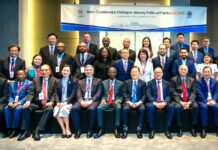
Mr Nketiah said this during the 3rd Meeting of the Standing Committee of the International Movement for the Freedom of Nations held in St. Petersburg, Russian Federation on 25 June, 2026.
According to him, the struggle against neocolonialism, “will be won when countries create value rather than merely export it, when they become producers of technology rather than consumers of it and when they possess the institutional strength necessary to translate sovereignty from a constitutional principle into an economic reality.”
He said “the task before us is to ensure that sovereignty is matched by capability and that freedom is matched by a common prosperity for our nations.”
Referring to a statement by Osagyefo Dr Kwame Nkrumah, Mr Nketiah said, “More than six decades ago, Ghana’s first President Dr. Kwame Nkrumah warned that political independence without economic independence would be incomplete. Time has not diminished the relevance of that observation. If anything, the changing nature of power has made it even more relevant.”
“Whether we succeed in that endeavour will determine not only the future of Africa, but also the character of the international order that future generations inherit,” Mr Nketiah noted.
The NDC’s National Chairman therefore criticised that the current global economic order. And called for change.
“The nations and institutions that write the rules of finance, trade, technology, intellectual property, investment and development finance possess a form of influence that often exceeds traditional measures of power. This is why questions of representation within international institutions remain important. The issue is not simply whether developing countries are present when decisions are made. The issue is whether they participate meaningfully in shaping the rules by which those decisions are made,” he stated.
Mr Nketiah added that “A world in which some nations consistently write the rules while others are expected merely to comply with them cannot indefinitely claim to embody genuine equality among sovereign states.”