
Emergencies, maternal deliveries, accidents, respiratory distress, mental health crises, and night-time injuries are realities of daily life that require timely interventions round the clock.
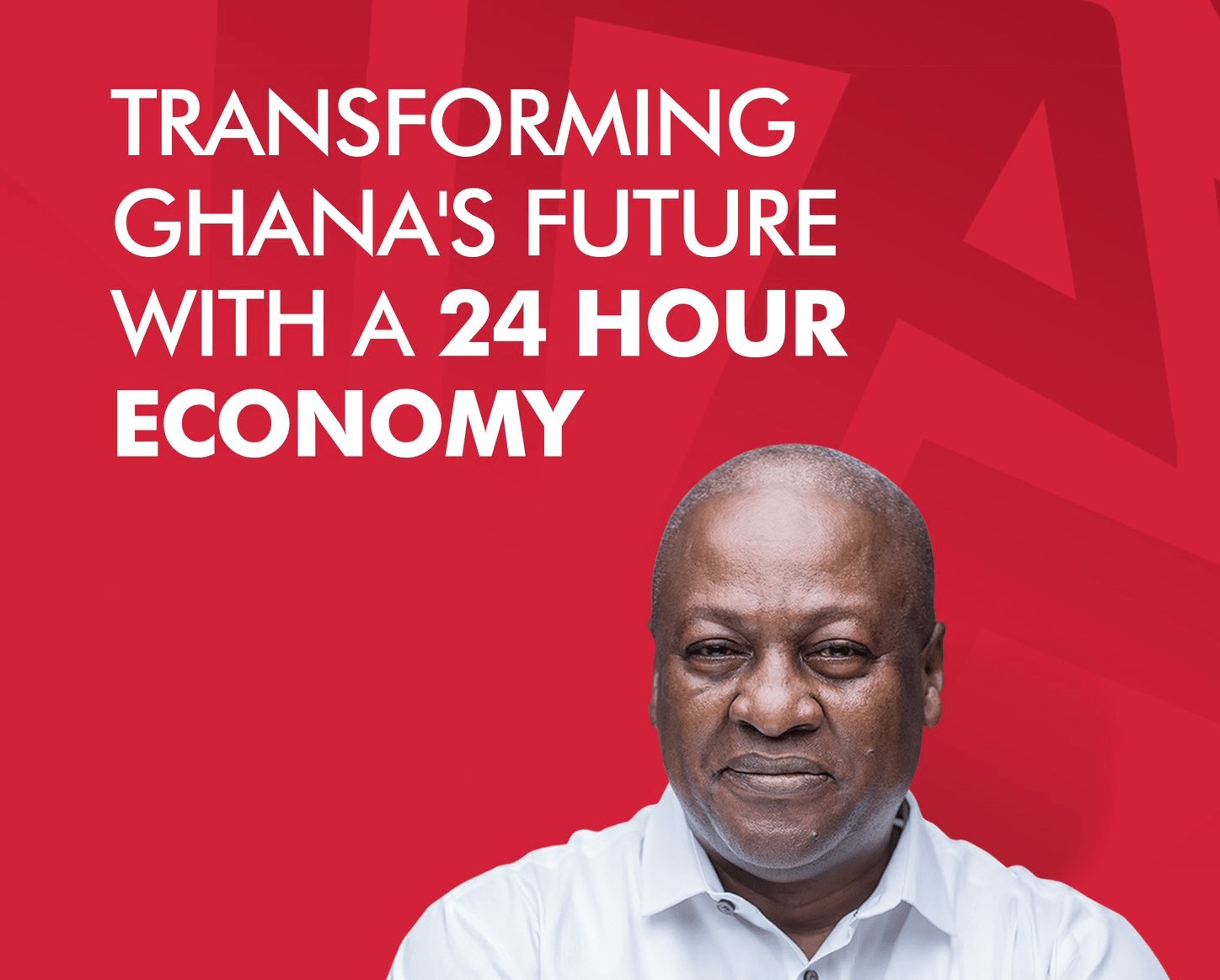
However, some of these needs are not being met in due time, hence the need to align Ghana’s Health System with the National 24-Hour Economy mandate to make healthcare delivery more accessible, continuous, and equitable.
While selected hospitals provide round-the-clock services, many health facilities particularly CHPS compounds and health centres, still operate within standard working hours, with limited capacity for night-time response.

This has created disparities in access, delays in care, and sometimes tragic outcomes for many Ghanaians.
For this reason, the Ghana Health Service plans to align its services to the government’s 24-Hour economy agenda while improving upon service delivery at the various health facilities across the country.
According to health authorities, aligning the Ghana Health Service operations with the 24-Hour Economy Policy goes beyond simply extending working hours.
There’s going to be a rethinking of workforce deployment models, including shift systems and night-duty protocols; Strengthening infrastructure, enhancing supervision and ensuring the financial sustainability through a deliberate, phased, and technically sound approach.

Director General of the Ghana Health Service Prof. Samuel Kabah Akoriyea during the inauguration of the committee expected to provide leadership, direction, and oversight for this reform process, noted the significance of the reforms.
‘‘Our health system must be prepared to respond to these needs consistently, reliably, and equitably, whether they occur at midday or midnight. Without robust healthcare systems that can support night workers, prevent burnout, and handle emergencies at any hour, the economy’s round-the-clock model will be unsustainable,’’ he stated.
The committee will also to ensure implementation remains grounded in reality, aligned with national goals, and anchored in quality and equity.