
Ghana is set to launch a nationwide Human Papillomavirus (HPV) vaccination campaign aimed at protecting young girls from cervical cancer, a leading cause of death among women in the country.
The vaccination drive, scheduled for September, will target approximately 2.26 million children, including girls in the nine-year age cohort.
Government has confirmed the availability of sufficient vaccine doses, with over 2.5 million doses expected to be delivered by UNICEF, the lead agency responsible for procuring and shipping the vaccines. The initial shipment of 441,860 doses has already arrived, and the vaccines will be distributed to regions and districts within September.
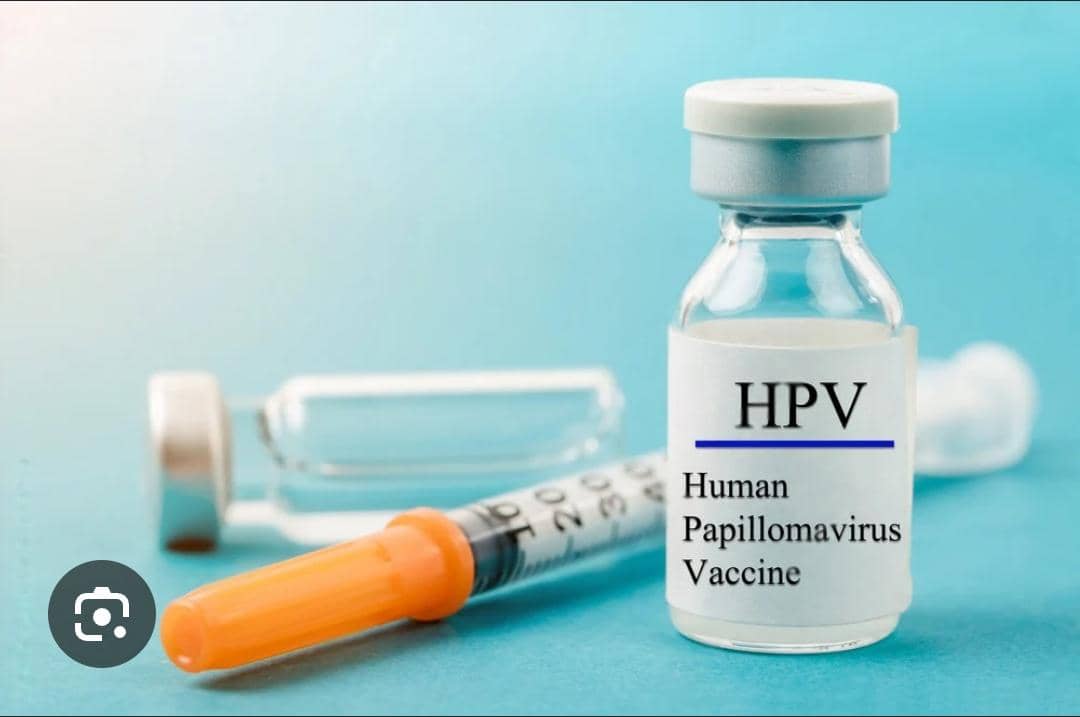
The HPV vaccine is crucial in preventing cervical cancer, which is primarily caused by the Human Papillomavirus. The vaccine targets three strains of the virus and aims to protect young girls from developing cervical cancer in the next 20 years.
According to the acting Programmes Manager of the Expanded Programme on Immunization, Dr. (Med) Selorm Kutsoati, the vaccine has been proven safe and effective, with a history of use in Ghana spanning over a decade.

“And the thing with the cancer is, unfortunately, I mean, years ago, used to be a cancer of much older women, but now we are seeing that it’s a big cause of death for women, 25 to 44 it’s a very large number of women. So it’s not just something that we are looking at.
“We have actually taken into consideration the lessons we learned. Because in the previous cohort that we did the pilot study, we’re looking at school or grade based vaccination. This time we are looking at age. So we are not saying that if you are in class, let’s say class three or plus four you should take it,” she stated.
She added that “extensive stakeholder engagements have been conducted to develop communication materials that are culturally and scientifically acceptable. It’s registered by the FDA, so it didn’t come in, or we’re not bringing it in for the first time because of this campaign is actually available here. People imported by themselves and give out and it’s very efficacious.
“There’s been work that has been done to ensure that it’s useful within our current system, which is why we’ve gone for that particular vaccine. We did not withdraw a whole variety of vaccines for cervical cancer, but we’ve done work that has helped us to narrow down on one that would be acceptable, looking at the strains that cause cervical cancer here.’’
While the vaccination campaign is a significant step in reducing cervical cancer, she acknowledge the need for additional measures, such as screening and early detection.
“By integrating the HPV vaccine into Ghana’s national routine immunization program, the government aims to provide long-term protection for young girls and empower them to become healthier women, capable mothers, and strong leaders. So really, what we are giving is not just targeting just cervical cancer, but its added benefit of also the genital warts as well. It’s very efficacious and very safe,” she explained
Cervical cancer is a significant public health challenge in Ghana, with an estimated 2,797 new cases diagnosed annually and approximately 1,699 deaths recorded each year. The introduction of the HPV vaccine is expected to drastically reduce cervical cancer cases and improve health outcomes for women in Ghana.
Beneficiaries of pilot HPV vaccination at Ayenya share impact 12 years on