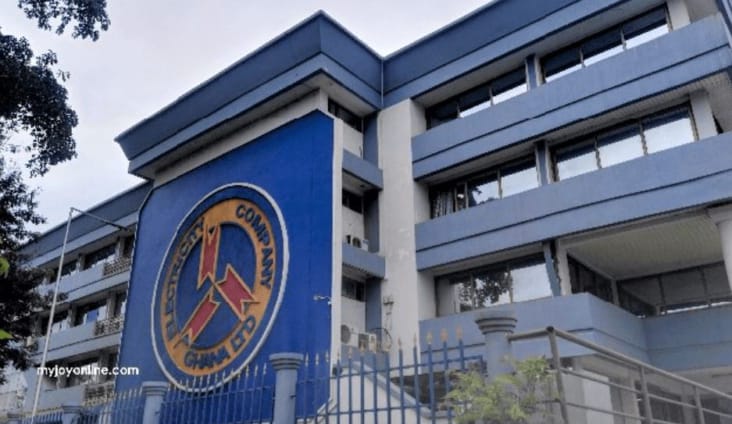

The Electricity Company of Ghana (ECG) has defended recent power disruptions and sharp increases in electricity bills, linking both developments to a major GHC3 billion investment aimed at stabilizing and modernizing Ghana’s power distribution network.
At a press briefing on April 20, ECG Managing Director Ing. Julius Kpekpena explained that the outages are a necessary consequence of an ongoing 24-month infrastructure overhaul.
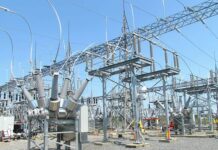
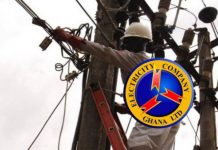
According to him, the project involves upgrading aging transformers, reinforcing weak points in the distribution network, and deploying drone technology to detect and respond to faults in real time.
The company argues that these interventions are critical to reducing long-term outages, improving voltage stability, and minimizing technical losses that have historically plagued the grid.
The explanation comes amid growing public frustration over erratic power supply in parts of the country, particularly in the Ashanti Region, Oti Region, and Volta Region, where ECG says the most intensive upgrade work is currently underway.
Residents in these areas have been advised to brace for intermittent disruptions as engineers carry out system improvements.
On the issue of billing, ECG rejected claims of deliberate overcharging, stating that recent spikes in electricity bills are the result of tariff corrections rather than new charges.
Management disclosed that investigations revealed many customers had been underbilled for years, with some still charged based on outdated 2021 tariff rates. Once the billing system was updated to reflect current approved tariffs, some consumers experienced increases of over 60 percent in their monthly bills.
This development is tied to Ghana’s broader electricity pricing structure, which is regulated by the Public Utilities Regulatory Commission (PURC). Over the past few years, PURC has implemented periodic tariff adjustments to reflect inflation, exchange rate fluctuations, and rising fuel costs for thermal power generation.
However, delays in fully applying these adjustments across ECG’s billing systems appear to have created a backlog effect, now being felt by consumers.
In a move aimed at improving financial accountability, ECG also announced the consolidation of its revenue collection system. More than 80 separate accounts previously used for collecting payments have been merged into a single “cash waterfall” mechanism.
According to management, this system will ensure more transparent allocation of funds across the power sector value chain, including payments to power generators, fuel suppliers, and transmission operators such as the Ghana Grid Company (GRIDCo).
The financial restructuring is particularly significant given the long-standing liquidity challenges in Ghana’s energy sector, often referred to as the “energy sector debt cycle.” ECG’s inability in the past to efficiently collect and distribute revenue has been cited as a major factor contributing to the accumulation of debts owed to Independent Power Producers (IPPs).
ECG also addressed speculation about privatization, firmly denying that its ongoing engagement with the Enclave Power Company signals any intention to cede control of its operations.
The company clarified that the partnership is strictly operational and focused on improving service delivery within specific industrial enclaves, particularly in Tema, where Enclave Power already operates a distribution concession.
The current reforms echo previous attempts to restructure ECG’s operations, including the controversial Power Distribution Services (PDS) concession agreement in 2019, which was later terminated by the government over issues related to financial guarantees and governance concerns.
Since then, the state has maintained full control of ECG while exploring internal reforms to improve efficiency and reliability.
Energy analysts say the success of the ongoing GHC3 billion upgrade will depend on execution and public communication.
While infrastructure investment is widely seen as necessary, the combination of service disruptions and sudden billing increases risks eroding public trust if not carefully managed.
For consumers already grappling with high living costs, the immediate impact is clear: more frequent outages in the short term and significantly higher electricity bills.
For ECG, however, the message is equally firm — the pain, they argue, is temporary, but the long-term gains will be a more stable, efficient, and financially sustainable power distribution system.
By Wisdom Sarfo