
According to the Ghana Statistical Service’s first nationwide survey on non-standard units, local measurement units continue to dominate food trade in Ghana despite wide variations in their actual weights.
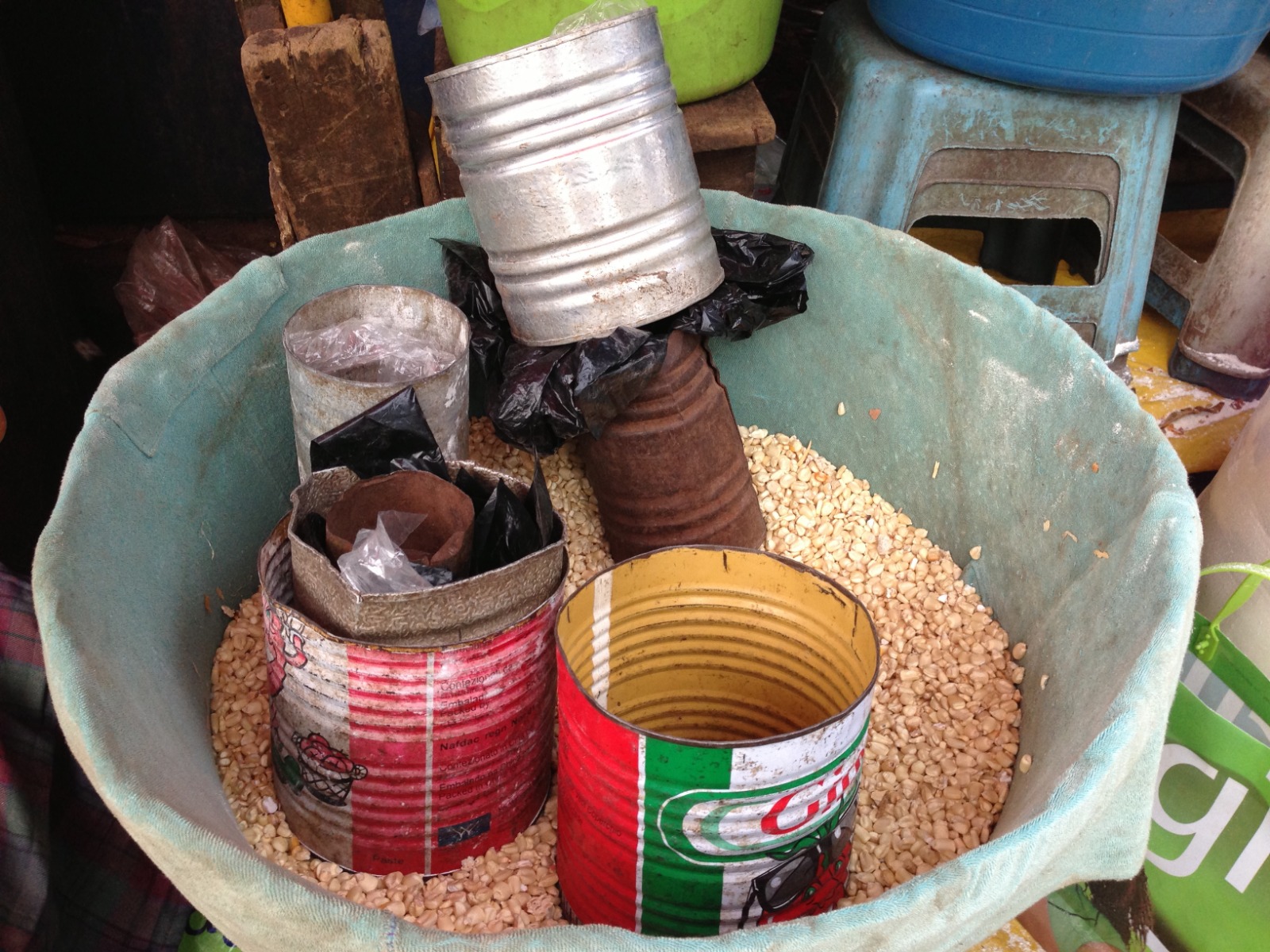
The Non-Standard Units Survey (NSUS), released on 7 July, found that commonly used measures, including olonka, bundles, heaps and buckets, remain deeply embedded in food markets and households across the country.
Presenting the findings, Government Statistician Dr Alhassan Iddrisu said the survey provides Ghana’s first nationally representative evidence on the use of non-standard food measurement units, offering a stronger basis for compiling official statistics.
The report found that the same measurement unit can represent different weights depending on the region, creating inconsistencies in food pricing, agricultural data and estimates of household food consumption.
It also noted significant differences in household food measurements, even when containers that appear to be standard, such as cups and margarine tins, are used. At the farmgate level, variations in container sizes and filling practices further contribute to inconsistent measurements.
However, the survey also found that measurements of container-based liquids, including palm oil, are generally more consistent than those of solid food commodities.
To address the problem, the Ghana Statistical Service has developed national conversion factors for major food commodities, allowing commonly used local units to be converted into kilograms and litres.
The Service said the conversion factors are expected to improve the accuracy of Consumer Price Index (CPI) estimates, agricultural statistics and household consumption data, while supporting evidence-based policymaking.
The Ghana Statistical Service said the survey represents an important step towards harmonising food measurements across the country and improving the reliability of Ghana’s official statistics.
By Coffie Mawuedem Noel