

Government has launched the Social Protection Act, 2025, and two accompanying regulations aimed at strengthening support for vulnerable populations and advancing gender equity in public institutions.
The instruments include the Social Protection Regulations, 2026 (L.I. 2521), and the Affirmative Action (Gender Equity) Regulations, 2026 (L.I. 2522).
Speaking at the launch, the Vice President , Professor Jane Naana Opoku-Agyeman , said the new legal framework must translate into tangible support for vulnerable households and create greater opportunities for women in decision-making.
She acknowledged the role of existing government interventions, including the Livelihood Empowerment Against Poverty (LEAP) programme, the School Feeding Programme, the National Health Insurance Scheme and the Free Senior High School policy, in supporting vulnerable groups.
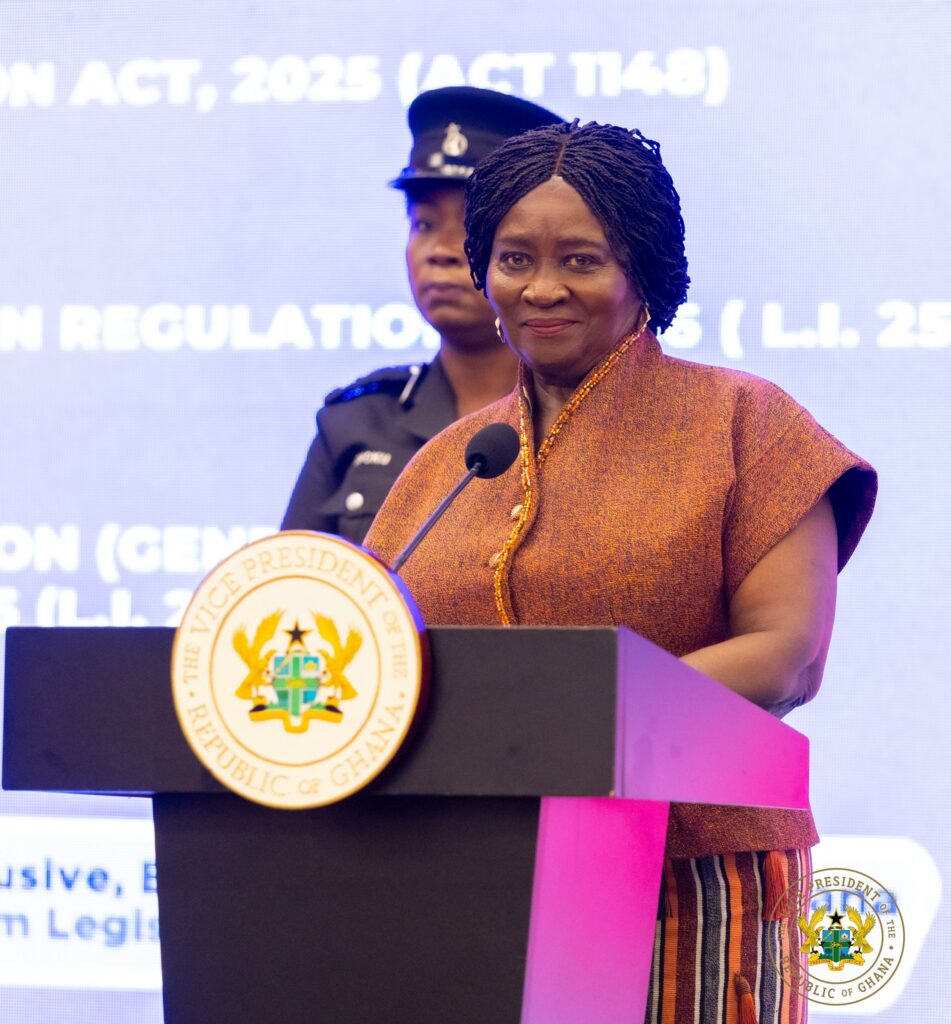
However, she said gaps in coverage, coordination and financing must be addressed to improve the effectiveness of social protection programmes.
“The test now, ladies and gentlemen, is to make that framework translate into reliable support for the people for whom they are intended,” he said.
The Social Protection Act provides a legal foundation for a more coordinated national system, including social assistance, social insurance, emergency support, institutional arrangements and the establishment of a Social Protection Fund.
The accompanying regulations are expected to guide the implementation of the law, improve the targeting of beneficiaries and strengthen accountability in the delivery of social protection services.
The Vice President also called on institutions covered by the affirmative action framework to take concrete steps towards achieving gender equity.
“Statements of support must be followed by action. Qualified women must find a fair opportunity in the decisions and institutions that shape our society,” she said.

Meanwhile, the Minister for Gender, Children and Social Protection said the Ministry’s immediate priority would be to ensure the effective implementation of the new legal instruments.
The Minister , Dr Agnes Naa Momo Lartey , said the Ministry would make the laws accessible to citizens through simplified explanations and local-language communication, while supporting implementing institutions with practical guidelines, reporting templates and training.
The Ministry also intends to strengthen data systems, establish accessible complaint channels and publish progress reports to enable Parliament, civil society organisations, the media and citizens to monitor implementation.
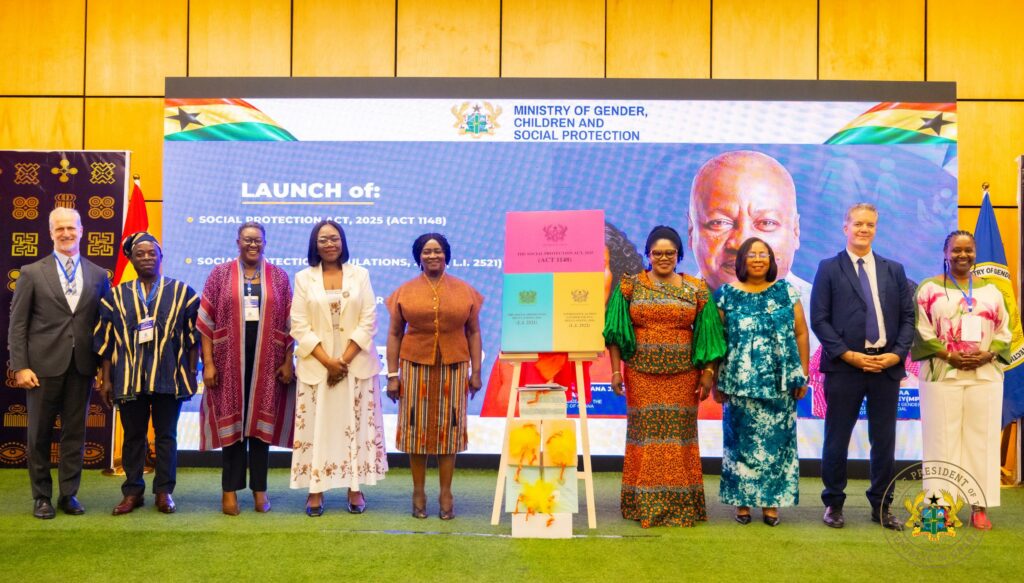
The Minister urged public institutions and frontline officers across the country to treat the new instruments as practical tools for protecting vulnerable people and promoting equal opportunities, rather than documents for reference alone.